
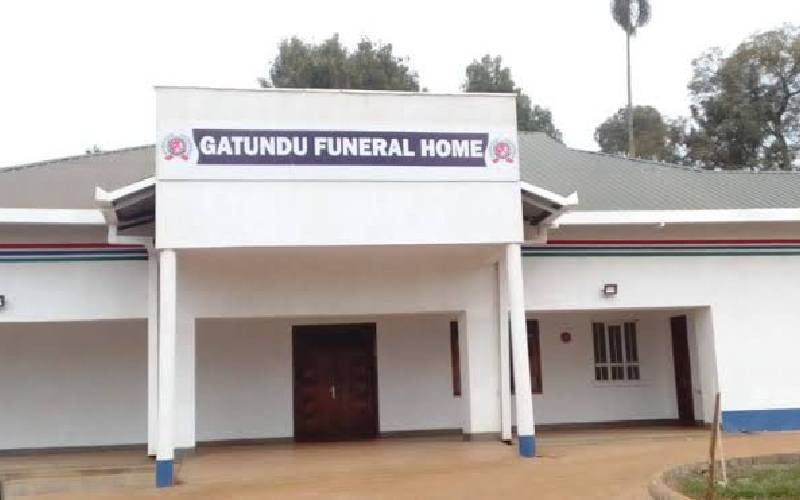
Gatundu Mortuary: Body Rat Allegations Spark Public Health Concerns
Summary
- Allegations have surfaced that rats consumed a body at the old section of Gatundu mortuary.
- The incident has reignited public debate regarding the handling of deceased persons in public facilities.
- Concerns about hygiene, security, and the dignified treatment of remains at public mortuaries in Kenya are now prominent.
- The allegations raise questions about adherence to public health standards and regulatory compliance.
What Happened
Upholding the dignified handling of deceased persons is not merely a matter of adhering to legal and regulatory mandates but stands as a moral imperative that reflects the core values of society.
The protocols and conditions surrounding the management of deceased individuals within public health facilities have once again become a central point of public discussion. This renewed focus has been triggered by serious allegations emanating from the Gatundu mortuary, specifically concerning its older operational section. Reports indicate that a body being held at this facility was allegedly consumed by rats, sparking widespread concern.
These distressing claims, if substantiated, point to significant deficiencies in the operational integrity and hygiene standards expected of such critical public services. The incident at the Gatundu Level 5 Hospital mortuary has brought the broader issue of mortuary body negligence in Kenya to the forefront, prompting a re-evaluation of the safeguards in place to protect human remains from degradation and disrespect. The public's demand for accountability and improved conditions is palpable.
Regulatory Compliance and Public Health Standards
The serious Gatundu mortuary body rat allegations directly challenge the adherence to established public health standards for Kenya mortuaries. Regulatory frameworks are in place to ensure that facilities storing human remains maintain rigorous hygiene, effective pest control, and secure environments. These measures are fundamental not only for preventing the spread of infectious diseases but also for upholding the dignity of the deceased.
The legal obligations concerning the handling of deceased persons law Kenya place a clear onus on public institutions to operate their mortuaries in a manner that respects human remains and provides reassurance to grieving families. Any failure to comply with these regulatory requirements, such as those pertaining to sanitation and security, could expose the institution to significant legal and reputational risks. The allegations necessitate a thorough review of regulatory compliance public mortuaries Kenya-wide, ensuring that all facilities meet the mandated operational benchmarks.
Impact on Dignity and Public Trust
The profound implications of the alleged incident at the Gatundu mortuary extend far beyond mere operational shortcomings, deeply affecting the fundamental principles of human dignity and public confidence. Families place immense trust in public facilities to safeguard their deceased loved ones, expecting their remains to be treated with the utmost respect and preserved securely until final rites. The reported circumstances, therefore, represent a severe betrayal of this sacred trust, inflicting additional emotional distress upon the bereaved.
Such incidents inevitably contribute to a pervasive sense of distrust in public health services and can significantly undermine the credibility of government-administered institutions. The ongoing public debate surrounding the Gatundu mortuary body rat allegations underscores the critical necessity for transparent oversight, rigorous accountability mechanisms, and continuous improvement within the public health sector. Upholding the dignified handling of deceased persons is not merely a matter of adhering to legal and regulatory mandates but stands as a moral imperative that reflects the core values of society.
Practical Implications
Lawyers advising public health institutions, hospital administrations, or local government bodies in Kenya should assess their compliance frameworks for mortuary operations, particularly regarding hygiene, security, and the dignified handling of deceased persons, to mitigate legal and reputational risks stemming from alleged negligence or regulatory breaches.
Source
How does this affect you?
Get an AI analysis of this article grounded in your jurisdictions, practice areas, and any policy documents you've uploaded to Wansom.
Finish Reading the Full Story and the Expert Analysis.
Get the latest legal & regulatory intelligence in Kenya
Wansom is AI and can make mistakes.