
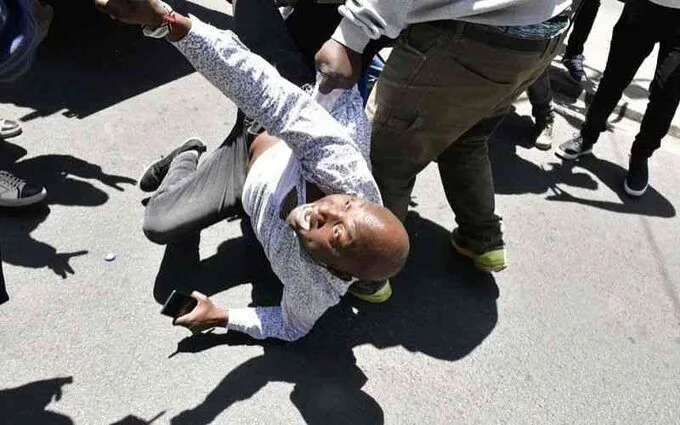
Kenya Police: Launches Probe Into Citizen TV Journalist's Arrest
In October 2023, the National Police Service (NPS) in Kenya launched an internal investigation into the arrest of Citizen TV journalist Francis Odee, who was detained while covering protests against rising fuel prices in Nairobi. This action by the NPS, coupled with a separate probe by the Independent Policing Oversight Authority (IPOA), came in response to mounting pressure to explain the circumstances surrounding Odee's arrest on October 20, during which he alleged he was roughed up despite identifying himself as a journalist.
This incident holds significant legal implications for press freedom, the rights of journalists, and police accountability in Kenya. The arrest of a journalist while on assignment, particularly during public protests, directly challenges the constitutional guarantees of freedom of the media (Article 34) and freedom of expression (Article 33) under the Constitution of Kenya, 2010. The involvement of both the NPS Internal Affairs Unit and IPOA underscores the seriousness with which such allegations of police misconduct are viewed, highlighting the institutional mechanisms designed to ensure law enforcement operates within legal bounds. For legal practitioners, this case exemplifies the delicate balance between maintaining public order and protecting fundamental human rights.
The legal context for this investigation is rooted in several key statutes. The National Police Service Act, 2011, outlines the powers and responsibilities of police officers, while the Independent Policing Oversight Authority Act, 2011, establishes the framework for civilian oversight of police conduct. The Public Order Act may also be relevant in defining the parameters of lawful assembly and police intervention during protests. The fact that Odee was released without charges suggests that the initial arrest may have lacked a legal basis, raising questions about arbitrary detention. Key parties involved include Citizen TV journalist Francis Odee, the National Police Service (NPS), the NPS Internal Affairs Unit (IAU), and the Independent Policing Oversight Authority (IPOA).
Attorneys representing media houses, journalists, or civil liberties organizations should closely monitor the progress and findings of these investigations. The outcome could establish important precedents regarding the protection of journalistic activities during public demonstrations and the accountability of law enforcement officers. Businesses and individuals involved in public advocacy or reporting on sensitive issues should be aware of their constitutional rights and the procedures for reporting police misconduct. Legal professionals should advise clients on the importance of documenting such incidents and understanding the legal avenues available for redress. The outcome of this matter is not yet reported, making ongoing vigilance essential for all stakeholders.
How does this affect you?
Get an AI analysis of this article grounded in your jurisdictions, practice areas, and any policy documents you've uploaded to Wansom.
Finish Reading the Full Story and the Expert Analysis.
Get the latest legal & regulatory intelligence in Kenya
Wansom is AI and can make mistakes.