
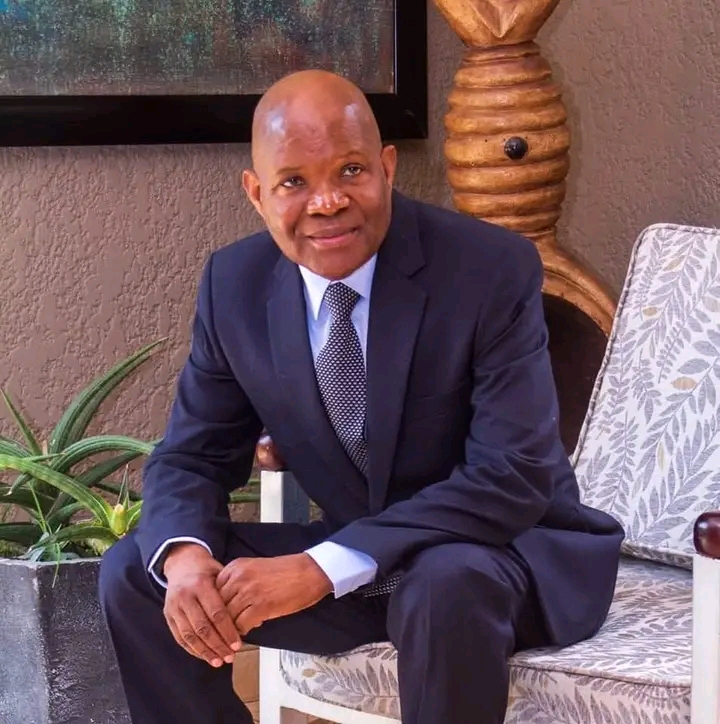
Fred M'membe: Zambia Prosecution Readiness Criticized Amid Delays
Summary
- Fred M'membe criticized the Zambian justice system for arresting and charging citizens without being ready to prosecute them.
- He clarified that his concern is about due process and systemic readiness, not about excusing those who commit crimes.
- This practice can lead to prolonged pre-trial detentions, infringing upon individuals' liberty.
- M'membe's critique highlights issues of efficiency and fairness within Zambia's criminal justice system.
- The concerns touch upon fundamental rights like the right to a speedy trial and due process.
What Happened
His fundamental inquiry, therefore, centers on the critical juncture between the state's decision to detain and charge an individual, and its actual readiness to fulfill its prosecutorial responsibilities in a timely and efficient manner.
Fred M'membe has articulated a pointed critique concerning the operational efficacy and fairness within Zambia's criminal justice system. His primary contention revolves around the practice of apprehending and formally charging citizens when the state apparatus is not adequately prepared or equipped to immediately proceed with their prosecution. This observation brings into focus a potential systemic flaw where the initial stages of legal action, namely arrest and charging, appear to outpace the state's capacity for subsequent judicial proceedings.
M'membe's commentary is not intended to advocate for impunity or to suggest that those who commit crimes should evade legal consequences. He has made it unequivocally clear that individuals found to be in violation of the law must indeed face the full spectrum of the legal process, which includes their arrest, the formal laying of charges, and a subsequent trial. His fundamental inquiry, therefore, centers on the critical juncture between the state's decision to detain and charge an individual, and its actual readiness to fulfill its prosecutorial responsibilities in a timely and efficient manner. This highlights a key aspect of Fred M'membe Zambia prosecution readiness.
Legal Context
The concerns articulated by Fred M'membe directly impinge upon several foundational tenets of a just legal framework, particularly the universal right to due process and the constitutional guarantee of a speedy trial. When the state initiates an arrest and formal charges but then experiences significant delays in prosecution due to its own lack of preparedness, it can result in individuals enduring prolonged periods of pre-trial detention. Such extended detentions represent a direct infringement on personal liberty, holding individuals in legal limbo without a prompt resolution to their cases, thereby fueling Zambia criminal justice criticism.
This scenario also raises questions about the thoroughness of investigations preceding arrests. A lack of prosecutorial readiness might indicate that arrests and charges are sometimes made without a fully robust case or sufficient evidence to immediately proceed to trial. This places an undue burden on the accused, who must contend with the legal process while the state prepares its case, and can also strain the already limited resources of the judiciary. The expectation that the state should be prepared to present its case without undue delay after an individual has been charged is paramount for upholding the integrity and efficiency of the Zambian legal system and ensuring that the right to speedy trial Zambia is respected.
Why It Matters
The implications of Fred M'membe's observations extend far beyond the individual cases directly affected, resonating throughout the entire fabric of the Zambian criminal justice system and influencing public perception. A recurring pattern of Zambian arrest without prosecution readiness can significantly erode the public's confidence and trust in the nation's legal institutions. Such practices suggest a potential disconnect between the initial, often forceful, act of law enforcement and the subsequent, equally crucial, judicial process, thereby undermining the rule of law.
Furthermore, this situation underscores critical challenges related to prosecutorial diligence, resource allocation, and overall efficiency within the justice system. Addressing the systemic issues that contribute to Zambia prosecution delays is not merely a procedural matter; it is fundamental to ensuring that justice is not only administered but also perceived as being fair, timely, and equitable. M'membe's public statement serves as a significant and timely call for enhanced accountability, improved operational preparedness, and a renewed commitment to due process within the state's legal apparatus, impacting how the Fred M'membe legal system critique is viewed.
Practical Implications
Lawyers and compliance officers in Zambia should be aware of the systemic issue highlighted by Fred M'membe regarding arrests and charges without immediate prosecutorial readiness. This implies potential for prolonged pre-trial detention, procedural challenges, or cases being brought without sufficient evidence, necessitating robust defense strategies focused on due process and speedy trial rights for clients.
Source
How does this affect you?
Get an AI analysis of this article grounded in your jurisdictions, practice areas, and any policy documents you've uploaded to Wansom.
Finish Reading the Full Story and the Expert Analysis.
Wansom is AI and can make mistakes.