
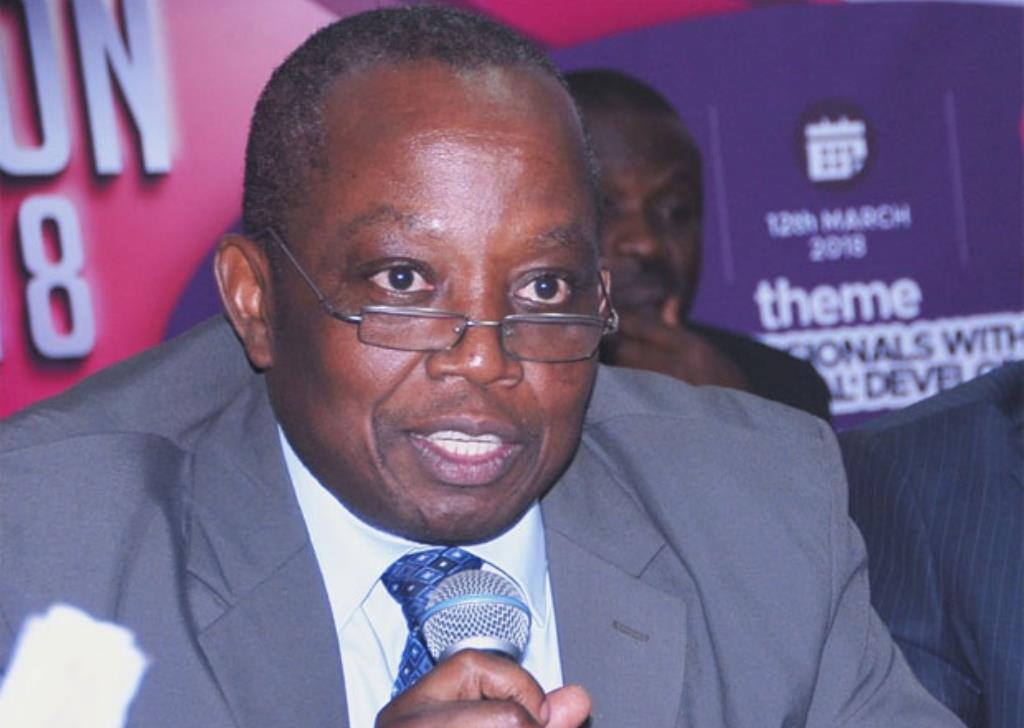
Domelovo Ghana: GH¢624m Fumigation Audit Gap Raises Accountability Concerns
Summary
- Former Auditor-General Daniel Domelovo highlighted a GH¢624 million discrepancy in Ghana's COVID-19 fumigation expenditure.
- Journalist Manasseh Azure Awuni's investigation found at least GH¢720 million spent, while the official special audit reported only GH¢96 million.
- Domelovo suggested the gap could be due to information being withheld from auditors or a poorly conducted audit.
- He warned that deliberately withholding information from auditors is a serious offense under Section 33 of Ghana's Audit Service Act.
- Domelovo called for the Auditor-General responsible for the special audit to explain the findings, as he was not involved in its execution.
Significant Discrepancy in Ghana's COVID-19 Fumigation Costs Revealed
He warned that deliberately withholding information from auditors is a serious offense under Section 33 of Ghana's Audit Service Act.
A substantial financial gap of GH¢624 million has emerged in Ghana's reported expenditure on COVID-19 fumigation efforts, prompting scrutiny from former Auditor-General Daniel Domelovo. This significant discrepancy was brought to light by an investigation conducted by journalist Manasseh Azure Awuni, which identified at least GH¢720 million spent on fumigation during the pandemic. In stark contrast, the Auditor-General's special audit on Ghana's COVID-19 fumigation expenditure recorded a much lower figure of only GH¢96 million.
Speaking on Joy FM’s Midday News on Tuesday, September 15, Mr. Domelovo indicated that such a considerable difference, assuming the investigative findings are accurate, points to two primary possibilities. He suggested that either critical information was deliberately withheld from the auditors, thereby preventing a comprehensive assessment, or the special audit itself was not planned and executed with the necessary rigor and thoroughness. Both scenarios, he noted, raise serious concerns regarding public financial accountability.
Legal Implications of Withholding Information During Audits
Mr. Domelovo underscored the gravity of deliberately concealing information from auditors, stating that such actions could constitute a serious offense under Ghanaian law. Specifically, he referenced Section 33 of the Audit Service Act, which addresses the refusal to provide information essential for an audit. This provision highlights the legal obligations of public officials to cooperate fully with audit processes, ensuring transparency and accountability in the management of state resources.
While acknowledging the potential legal ramifications of information denial, Mr. Domelovo also considered the alternative scenario: that the audit itself was poorly conducted or underreported the actual expenditure. He suggested that a flawed audit, if proven, would be an even more serious issue, implying a systemic failure within the auditing process rather than just a lack of cooperation from specific entities. These Daniel Domelovo audit comments emphasize the dual responsibility of both audited entities and the auditing body in maintaining financial integrity.
Call for Clarity and Audit Background
Despite offering potential explanations for the GH¢624m fumigation audit gap, Mr. Domelovo clarified that he could not definitively ascertain the exact cause of the discrepancy, as he was not involved in the specific special audit. Consequently, he recommended that the Auditor-General who presided over the special audit be called upon to provide a comprehensive explanation of the circumstances surrounding its findings and the reported figures. This call for direct accountability aims to shed light on the origins of the significant financial disparity.
The special audit, which forms the basis of the lower expenditure figure, was commissioned in 2022 following a request from then Finance Minister Ken Ofori-Atta. Its mandate was to examine COVID-19 expenditure by various ministries, departments, and agencies between 2020 and June 2022. In contrast, the Manasseh Azure Awuni fumigation investigation specifically focused on expenditures by the Ministries of Education, Transport, and Local Government, uncovering evidence that indicated fumigation costs were substantially higher than the GH¢96 million captured in the official report. Mr. Domelovo publicly commended Mr. Awuni and his team for their diligent investigative work.
Practical Implications
Lawyers and compliance officers should be aware of the increased scrutiny on public expenditure transparency in Ghana, particularly concerning potential legal liabilities under Section 33 of the Audit Service Act for public officials who withhold information during audits. This highlights the importance of robust compliance frameworks for information disclosure and audit cooperation in public sector engagements.
Source
How does this affect you?
Get an AI analysis of this article grounded in your jurisdictions, practice areas, and any policy documents you've uploaded to Wansom.
Finish Reading the Full Story and the Expert Analysis.
Get the latest legal & regulatory intelligence in Ghana
Wansom is AI and can make mistakes.