
Ghana: Mahama Unveils EV Charging Station Regulation to Protect Grid
Summary
- President John Dramani Mahama announced plans on September 15, 2026, to regulate electric vehicle (EV) charging stations in Ghana.
- The regulation aims to prevent uneven pressure on the national electricity distribution network and ensure grid stability.
- The Ministry of Energy and Green Transitions Ghana is developing an electric vehicle policy to provide clear rules for the sector.
- The policy will address concerns about the concentration of charging stations in areas with insufficient transformer and substation capacity.
- The government also intends to promote solar-powered charging as part of its strategy to expand electric mobility in Ghana.
Ghana Moves to Regulate EV Charging Infrastructure
Without such Ghana EV charging station regulation Mahama, the rapid proliferation of charging points could indeed create significant imbalances in the country's energy system.
President John Dramani Mahama announced on September 15, 2026, that Ghana plans to implement regulations for the establishment of electric vehicle (EV) charging stations across the country. This proactive measure aims to prevent undue strain and uneven distribution of demand on Ghana’s existing electricity grid. The announcement highlighted the necessity of proper planning as the number of charging stations continues to increase, emphasizing that a lack of oversight could lead to significant imbalances within the energy system.
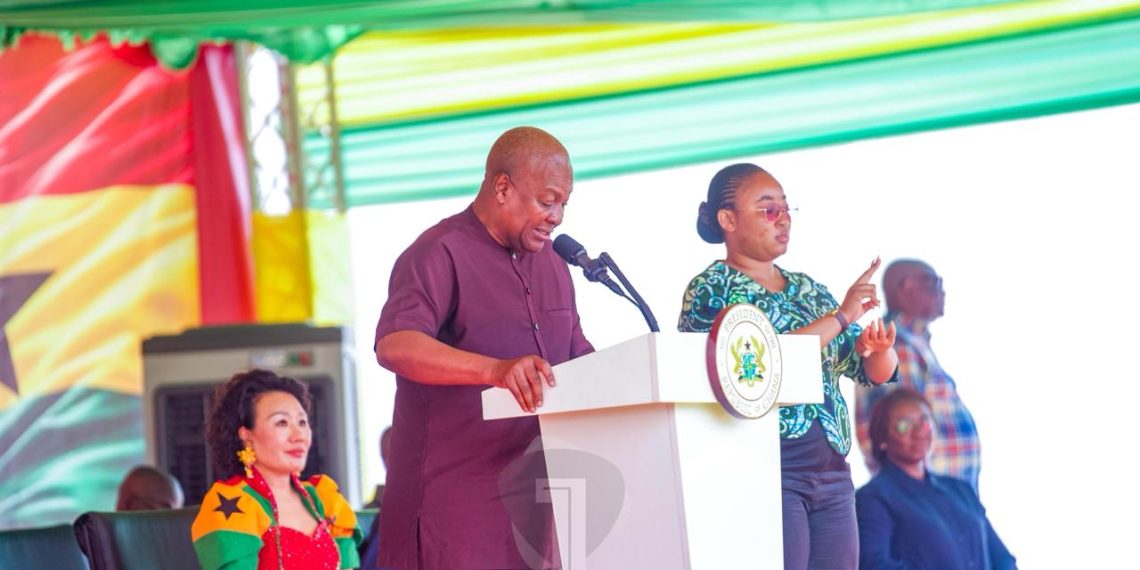
The primary concern articulated by President Mahama is the potential for EV charging facilities to concentrate in areas where current electrical infrastructure, such as transformers and substations, lacks the necessary capacity to support additional power requirements. This could compromise the reliability and stability of the national power supply. The declaration was made during the commissioning ceremony for the Zonda Tec Ghana Limited Assembly Plant, located in Tema, underscoring the government's commitment to managing the growth of electric mobility responsibly.
To address these emerging challenges, the Ministry of Energy and Green Transitions Ghana is actively developing a comprehensive Ghana electric vehicle policy. This policy is designed to establish clear guidelines for the burgeoning EV sector, ensuring that future infrastructure development aligns with the nation's energy capabilities and long-term sustainability goals. The government's focus is on fostering a controlled expansion of EV charging infrastructure to safeguard Ghana power grid stability EV.
Regulatory Framework and Grid Stability Concerns
The proposed regulatory framework will specifically address the placement of new charging facilities, mandating that their locations are carefully chosen with consideration for the existing electricity supply infrastructure. President Mahama underscored that neglecting this crucial aspect, particularly by allowing too many charging stations to cluster in a single area, could severely impact the stability of the power supply for all consumers. He warned that without such Ghana EV charging station regulation Mahama, the rapid proliferation of charging points could indeed create significant imbalances in the country's energy system.
The development of this overarching Ghana electric vehicle policy by the Ministry of Energy and Green Transitions Ghana represents a critical step before specific regulations are formally introduced. This policy document will first be presented to Cabinet for approval, laying the groundwork for the detailed rules that will subsequently guide businesses and investors interested in establishing EV charging stations. The intent is to provide a clear and predictable regulatory environment, ensuring that all new projects contribute positively to the nation's energy landscape rather than straining it.
This structured approach aims to mitigate risks associated with rapid, uncoordinated growth in the EV sector, particularly concerning Ghana power grid stability EV. By requiring careful assessment of local grid capacity for each proposed charging station, the government seeks to ensure that the expansion of electric mobility is sustainable and does not inadvertently lead to power disruptions or infrastructure overloads.
Promoting Sustainable EV Infrastructure Growth
Beyond regulating the physical placement of charging stations, the government also intends to actively promote the adoption of solar-powered charging solutions. This initiative forms an integral part of Ghana's broader efforts to support and expand electric mobility throughout the country. By encouraging renewable energy sources for EV charging, the Ministry of Energy and Green Transitions Ghana aims to enhance the environmental benefits of electric vehicles while simultaneously reducing reliance on the conventional grid for charging demands.
This strategic push for solar integration is a key component of Ghana EV infrastructure planning, aligning with the nation's commitment to sustainable development and energy diversification. The comprehensive Ghana electric vehicle policy, once finalized and approved, will therefore not only dictate where charging stations can be built but also encourage how they are powered, fostering a more resilient and environmentally friendly electric vehicle ecosystem. These forthcoming regulations will be crucial for businesses to understand as they plan their investments in the evolving Ghanaian EV market.
Practical Implications
Businesses planning to establish EV charging stations in Ghana must anticipate new regulatory requirements regarding location and grid impact, necessitating legal review of proposed projects once the EV policy and regulations are introduced.
Source
How does this affect you?
Get an AI analysis of this article grounded in your jurisdictions, practice areas, and any policy documents you've uploaded to Wansom.
Finish Reading the Full Story and the Expert Analysis.
Get the latest legal & regulatory intelligence in Ghana
Wansom is AI and can make mistakes.