
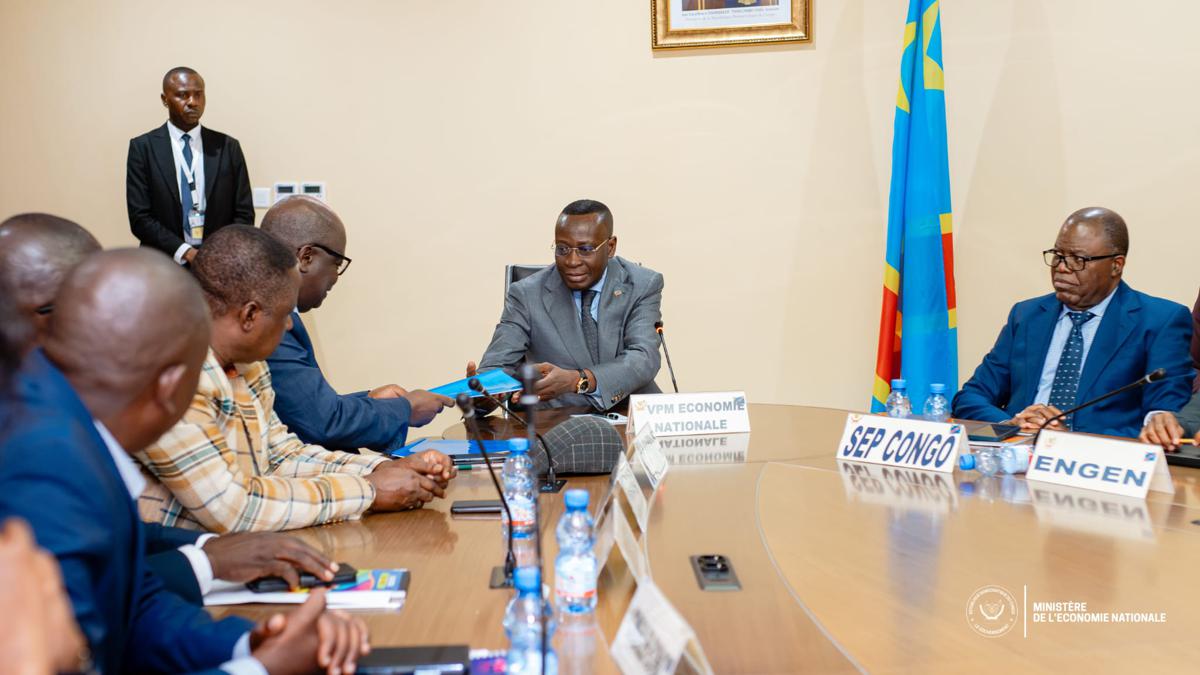
RDC Ministère Économie Nationale: FOREC Accord Lowers Cold Storage Prices in Kinshasa
Summary
- The Ministry of National Economy announced new agreements signed on November 12, 2026, between FOREC and the Association des distributeurs et exploitants des chambres froides du Congo.
- These protocols aim to regulate the prices of certain staple food products in Kinshasa and ensure their availability at reduced costs.
- A network of approved distributors and cold storage facilities will facilitate product distribution across the city.
- Commercialization under the new framework began on November 16, supported by a monitoring and control system.
- The initiative responds to rising food prices since October, partly due to international market costs affecting Congolese purchasing power.
A New Regulatory Framework for Kinshasa Food Prices
This robust oversight mechanism is critical to the success of the FOREC accord exploitants chambres froides prix Kinshasa, ensuring that the benefits of the baisse prix Kinshasa produits consommation are fully realized by the public and that the Association distributeurs chambres froides Congo members comply with the new directives.
The Ministry of National Economy in the Democratic Republic of Congo (RDC) recently announced a significant development aimed at stabilizing the cost of living for residents of Kinshasa. On Monday, November 16, the ministry publicly disclosed the signing of crucial protocols between the Fonds de régulation économique (FOREC) and the Association des distributeurs et exploitants des chambres froides du Congo. These agreements, formally concluded on November 12, 2026, represent a direct governmental intervention designed to manage the prices of essential food items available in the capital's markets. This proactive measure by the Ministère Économie nationale RDC is part of a broader effort to address economic challenges impacting daily life.
This initiative underscores the government's commitment to mitigating the upward trend in consumer prices while simultaneously ensuring the continued viability of economic operators within the food distribution sector. The core of this strategy involves establishing a regulated network of approved distributors and cold storage facilities strategically located across Kinshasa. The primary objective is to enhance consumer access to these vital products by bringing sales points closer to the population, thereby ensuring their availability at reduced costs and contributing to the overall régulation prix produits alimentaires Congo.
Operationalizing Price Reductions and Oversight
The newly established framework specifically targets a range of products that have experienced significant price volatility in recent weeks, contributing to economic strain for households. These targeted items are considered essential for daily consumption, and their price stability is crucial for the well-being of Kinshasa's residents. Commercialization activities under these new protocols commenced promptly on Monday, November 16, following the official announcement, marking the immediate implementation of the agreement.
To guarantee the effectiveness and integrity of this program, a comprehensive monitoring and control system has been put in place. This system is tasked with verifying adherence to the agreed-upon pricing structures, confirming the consistent availability of the designated products, and ensuring that the intended price reductions are indeed passed on to consumers. This robust oversight mechanism is critical to the success of the FOREC accord exploitants chambres froides prix Kinshasa, ensuring that the benefits of the baisse prix Kinshasa produits consommation are fully realized by the public and that the Association distributeurs chambres froides Congo members comply with the new directives.
Addressing Broader Economic Pressures
This governmental action comes amidst a period characterized by a notable increase in food prices across various markets, a trend that has been particularly pronounced since October, according to data from the national price monitoring system, TALO. The Ministry of National Economy attributes these inflationary pressures, in part, to the rising costs of goods in international markets, which inevitably translates into a diminished purchasing power for Congolese households. The government acknowledges the widespread impact of these global economic forces on local living standards.
The government's strategy extends beyond mere price controls; it seeks to reinforce its partnership with the private sector. By working closely with entities like the Association des distributeurs et exploitants des chambres froides du Congo, the executive branch aims to deliver tangible solutions to the difficulties faced by consumers. This approach represents a shift towards more direct and focused interventions to supplement traditional price regulation methods, ultimately striving for greater economic stability and consumer welfare in the RDC through the implementation of the protocole d'accord FOREC.
Practical Implications
Lawyers advising businesses in the food distribution and cold storage sectors in Kinshasa should review the new protocols signed between FOREC and the Association des distributeurs et exploitants des chambres froides du Congo. Compliance officers must ensure their companies adhere to the agreed-upon pricing mechanisms and the established monitoring framework to avoid potential penalties or disruptions to operations.
Source
How does this affect you?
Get an AI analysis of this article grounded in your jurisdictions, practice areas, and any policy documents you've uploaded to Wansom.
Finish Reading the Full Story and the Expert Analysis.
Get the latest legal & regulatory intelligence in DR Congo
Wansom is AI and can make mistakes.