
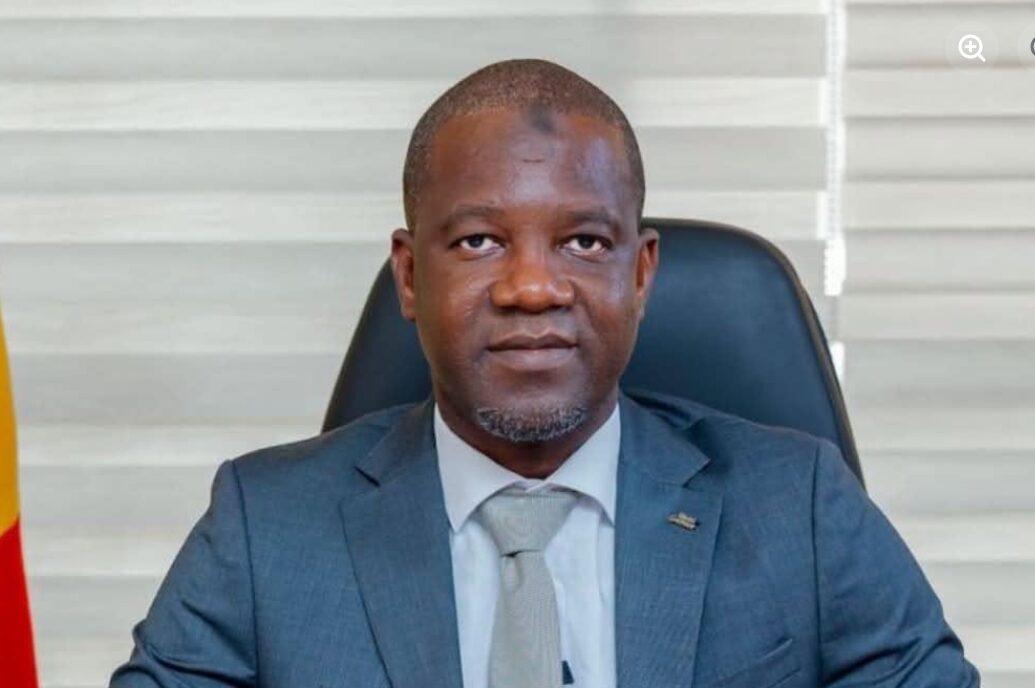
SN: Me Babacar Ndiaye Défend Sonko's Fonds Spéciaux Stance
Summary
- Me Babacar Ndiaye, a Pastef member, defended Ousmane Sonko's position regarding the regulation of special funds.
- Ndiaye argued that the public debate should prioritize transparency in public fund management.
- He asserted that the focus should not be on the former Prime Minister's specific use of these resources.
- Ndiaye emphasized the necessity of ensuring greater openness in how public money is administered.
- These statements were made while Ndiaye was questioned about Ousmane Sonko's intentions.
The Advocate's Stance
His argument posited that the prevailing debate ought to prioritize the imperative for enhanced transparency in the administration of public finances.
Me Babacar Ndiaye, a prominent member of the Pastef political party, recently articulated a defense of Ousmane Sonko's perspective concerning the oversight and regulation of special funds. Ndiaye's intervention sought to redirect the public discourse surrounding these financial mechanisms. He contended that the central point of contention should not revolve around the specific utilization of these resources by the former Prime Minister. Instead, Ndiaye emphasized a broader, more fundamental principle.
His argument posited that the prevailing debate ought to prioritize the imperative for enhanced transparency in the administration of public finances. This position underscores a call for systemic improvements rather than an exclusive focus on past actions. Ndiaye's remarks came during a period when he was questioned regarding Ousmane Sonko's intentions, suggesting a deliberate effort to frame the discussion within a wider context of governmental accountability.
Redefining the Public Discourse
The core of Me Babacar Ndiaye's argument lies in a strategic reorientation of the public conversation surrounding special funds. By asserting that the debate should move beyond the actions of a former Prime Minister, Ndiaye is advocating for a shift from individual accountability to systemic reform. He highlights that the true challenge lies in establishing robust frameworks that guarantee openness and clarity in how public money is managed and disbursed. This perspective suggests that while individual conduct is important, the underlying structures governing financial operations are paramount for preventing misuse and fostering public trust.
Ndiaye's defense of Sonko's stance therefore champions a principle of institutional integrity over a potentially narrower focus on specific past expenditures. He implies that the current mechanisms for managing special funds may lack sufficient safeguards, making a call for greater transparency a critical step towards good governance. This re-framing aims to elevate the discussion to a level where policy and regulatory improvements become the primary objective, rather than solely scrutinizing historical financial decisions.
The Imperative of Transparency
The call for increased transparency in the management of public funds, as articulated by Me Babacar Ndiaye, carries significant weight within the broader context of national governance. Special funds, by their very nature, often operate with a degree of discretion, making robust oversight and clear reporting mechanisms essential to prevent potential abuses and maintain public confidence. Ndiaye's insistence on this point suggests an acknowledgment that the current system may fall short of optimal standards for accountability.
His advocacy for transparency is not merely a political statement but a fundamental demand for ethical public administration. When public funds are managed with clarity, citizens can better understand how their resources are allocated and utilized, fostering trust in government institutions. Therefore, Ndiaye's argument, made in the context of defending Ousmane Sonko's position, serves to underscore a critical principle: that the effective and legitimate functioning of government hinges on its commitment to open and accountable financial practices, irrespective of who is in power or whose past actions are under scrutiny.
Source
How does this affect you?
Get an AI analysis of this article grounded in your jurisdictions, practice areas, and any policy documents you've uploaded to Wansom.
Finish Reading the Full Story and the Expert Analysis.
Wansom is AI and can make mistakes.