
FMI Sénégal: Rejet PLFR 2026 Respecté, Fiscal Commitments Remain
Summary
- Senegal's National Assembly rejected the 2026 Projet de Loi de Finances Rectificative (PLFR) and blocked the 2027 budget proposal on November 3.
- The International Monetary Fund (FMI) respects Senegal's budgetary sovereignty but expects adherence to agreed economic commitments.
- FMI spokesperson Julie Kozack confirmed the institution is monitoring parliamentary discussions but does not intervene in internal debates.
- The FMI supports Senegal with economic analyses and capacity building, and is available for dialogue on the economic program.
- The rejection of the PLFR weakened a September agreement with the FMI, following a 2024 suspension of a $1.8 billion program due to undisclosed debt.
Legislative Setback and International Response
The rejection of the Projet de Loi de Finances Rectificative (PLFR) has had a notable impact, specifically weakening the agreement that Senegal had reached with the FMI in September.
Senegal's legislative body recently rejected the proposed revised finance bill for 2026, known as the Projet de Loi de Finances Rectificative (PLFR), on November 3. This parliamentary decision also led to the blocking of the initial budget proposal for 2027, creating significant fiscal uncertainty. In response to these developments, the Fonds monétaire international (FMI) affirmed its respect for the budgetary decisions made by Senegalese institutions, while simultaneously reiterating its expectation that the authorities will maintain a fiscal framework aligned with previously agreed economic commitments.
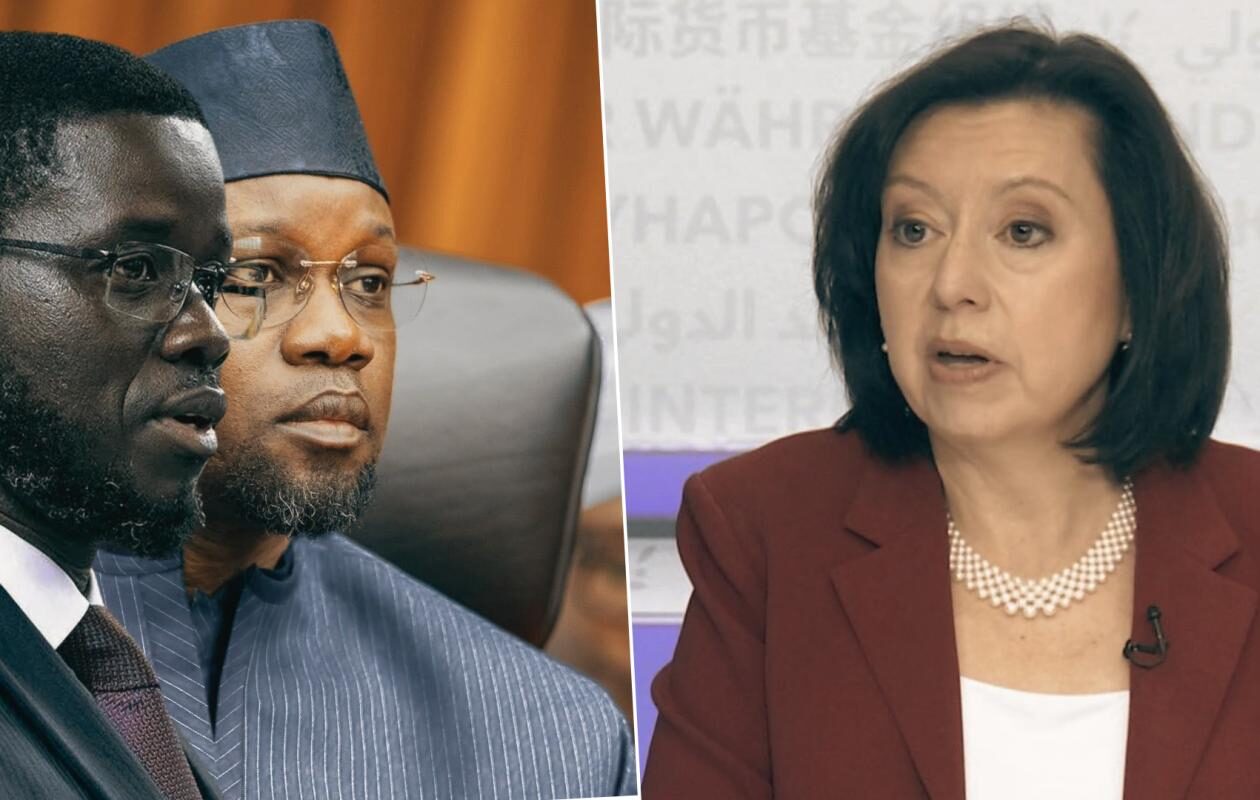
Julie Kozack, a spokesperson for the FMI, confirmed on Thursday that the institution is closely monitoring the ongoing parliamentary discussions surrounding both the rejected PLFR 2026 and the stalled 2027 budget. She emphasized that the FMI respects the choices made by Senegal's domestic institutions and does not involve itself in the direct negotiations between the government and the National Assembly. This stance underscores the FMI's position as an external partner providing guidance rather than dictating internal legislative processes.
Upholding Fiscal Sovereignty and Commitments
The International Monetary Fund explicitly recognizes that Senegal's budgetary sovereignty resides with its own national institutions. Despite this acknowledgment, the FMI maintains a clear expectation for the Senegalese authorities to uphold the commitments outlined in their "Staff-Level Agreement" and to ensure that their budgetary framework remains consistent with the agreed-upon economic orientations. The FMI has offered its continued support to the authorities through independent economic analyses, expert recommendations, and initiatives aimed at strengthening institutional capacities.
Furthermore, the FMI is actively assisting in the formulation of a comprehensive reform program. This program is envisioned as a foundational element for any potential future requests for financial assistance from the international body. The FMI has also indicated its readiness to continue engaging in dialogue and to offer further clarifications regarding the proposed economic program, signaling an ongoing collaborative approach despite the recent legislative hurdles.
Impact on Financial Agreements and Future Outlook
The rejection of the Projet de Loi de Finances Rectificative (PLFR) has had a notable impact, specifically weakening the agreement that Senegal had reached with the FMI in September. This particular legislative text was crucial because it was intended to validate a new budgetary trajectory, which is a key component of the broader financial understanding between Senegal and the Fonds monétaire international. The current legislative impasse therefore introduces complications for the implementation of this recent accord.
This situation is not without precedent in Senegal's recent financial history. In 2024, the FMI had previously suspended a substantial program amounting to $1.8 billion. That suspension occurred after the discovery of a national debt figure that significantly exceeded the amounts officially disclosed by the government at the time. These past events highlight the critical importance of transparency and adherence to agreed fiscal policies for maintaining stable relations and securing international financial support.
Practical Implications
Lawyers and compliance officers should closely monitor the legislative process for Senegal's revised finance bill (PLFR) and the 2027 budget, as the rejection of the PLFR and the IMF's subsequent statements signal potential shifts in fiscal policy and international financial relations. This could impact regulatory stability, investment climate, and the government's capacity to meet financial obligations, necessitating a review of risk assessments for clients operating in Senegal.
Source
Source: Original reporting via Leral
How does this affect you?
Get an AI analysis of this article grounded in your jurisdictions, practice areas, and any policy documents you've uploaded to Wansom.
Finish Reading the Full Story and the Expert Analysis.
Get the latest legal & regulatory intelligence in Senegal
Wansom is AI and can make mistakes.