
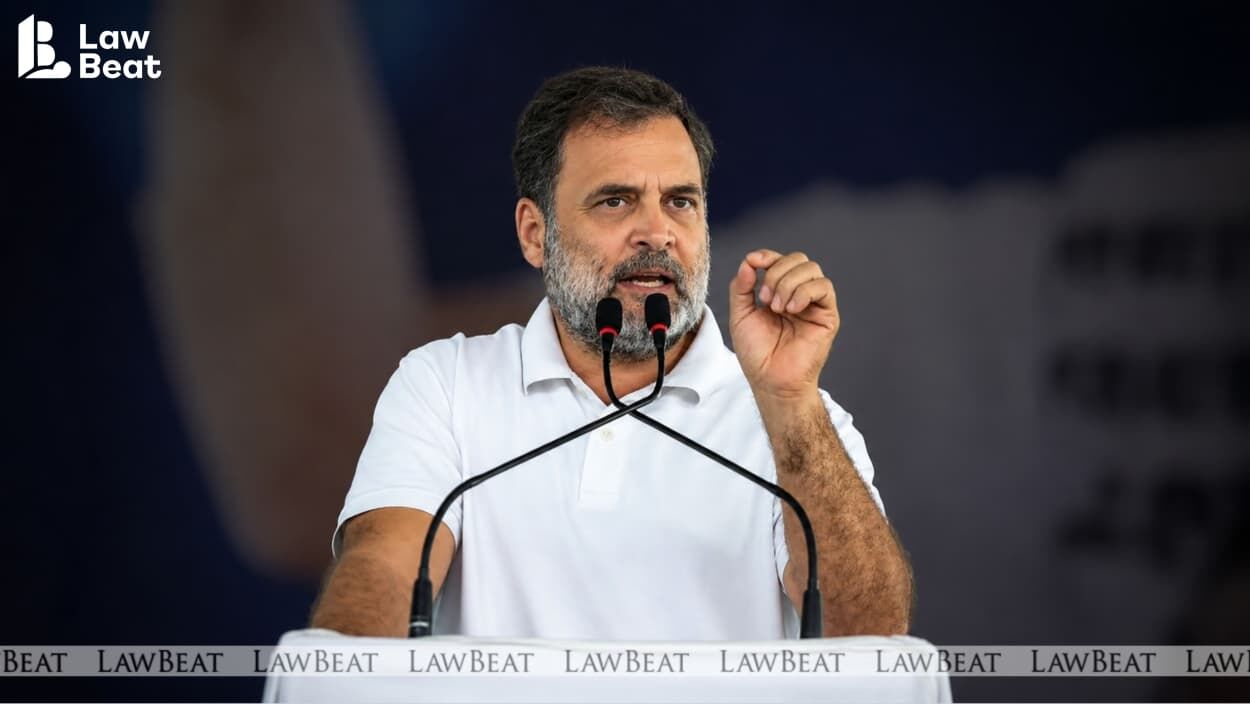
Rahul Gandhi: FIR Filed in Haldwani Under BNS, SC/ST Act
Summary
- An FIR has been registered against Congress leader Rahul Gandhi in Haldwani, Uttarakhand, on August 30.
- The complaint, filed by Amit Kumar of the Valmiki community, alleges Gandhi's remarks about an August 11 purification ritual gave it a caste-based interpretation and hurt sentiments.
- Gandhi had criticized the ritual as an act of untouchability and demanded an FIR under the SC/ST Act, accusing BJP-RSS of hindering Dalit progress.
- The FIR invokes Sections 196 and 299 of the new Bharatiya Nyaya Sanhita (BNS), 2023, along with a provision of the SC/ST Act, 1989.
- Police have confirmed the FIR registration, and an investigation is currently in progress.
Complaint Filed Against Rahul Gandhi
This incident serves as a critical illustration of the immediate application of the new Bharatiya Nyaya Sanhita Sections 196 and 299, alongside the SC/ST Act, within a high-profile political context.
An First Information Report (FIR) has been officially lodged against Rahul Gandhi, a prominent Congress leader and the Leader of Opposition in the Lok Sabha, in Haldwani, Uttarakhand. The complaint, filed on August 30 at the Haldwani Kotwali Police Station, stems from allegations that Gandhi's public statements concerning a religious ritual conducted on August 11 imparted a caste-based interpretation to the event. This, the complainant asserts, deeply offended members of the Valmiki community.
The FIR was initiated following a complaint by Amit Kumar, a resident of Jawahar Nagar. Kumar, who identifies himself as a member of the Scheduled Caste community and the Shri Ram Sena Dharmarth Seva Nyas, claims that Gandhi's remarks were unwarranted and caused communal tension. The case highlights a significant legal development, as it invokes specific sections of the newly enacted Bharatiya Nyaya Sanhita (BNS), 2023, alongside provisions of the Scheduled Castes and Scheduled Tribes (Prevention of Atrocities) Act, 1989.
The Alleged Remarks and Counter-Claims
The controversy centers on comments made by Rahul Gandhi during a press conference held in New Delhi on August 29. At this event, Gandhi publicly criticized a "purification ritual and cleanliness drive" that had taken place at the Haldwani Ramlila Ground on August 11. This ritual occurred three days after Congress president Mallikarjun Kharge had addressed a public meeting at the same venue on August 8. Gandhi characterized the ritual as an act reflecting untouchability and discriminatory treatment against Dalits, demanding that an FIR be registered under the SC/ST Act against those responsible. He further accused the BJP-RSS of actively seeking to impede the progress and dignity of Dalits.
However, the complainant, Amit Kumar, presents a contrasting account, alleging that Gandhi's assertions were made without proper verification. Kumar, who states he was present during the cleanliness drive and religious ceremony, claims that individuals from various societal segments, including members of the Scheduled Caste community, actively participated. He contends that by labeling the event as an act of untouchability and an offense against Scheduled Castes, Gandhi unfairly depicted the participants as anti-Dalit, thereby exacerbating tensions between different communities. Kumar also clarified that the ritual bore no connection to Kharge's caste and was not directed against any particular group. Haldwani City Superintendent of Police Manoj Kumar Katyal has confirmed the registration of the FIR and stated that an investigation is currently underway.
Legal Provisions Invoked
The legal foundation for the FIR against Rahul Gandhi rests on several significant statutes, notably including Sections 196 and 299 of the Bharatiya Nyaya Sanhita (BNS), 2023, in addition to a relevant provision of the Scheduled Castes and Scheduled Tribes (Prevention of Atrocities) Act, 1989. This case marks an early and high-profile application of the BNS, which recently replaced the Indian Penal Code.
Specifically, Section 196 of the BNS addresses acts that promote enmity between different groups and are prejudicial to the maintenance of communal harmony. Meanwhile, Section 299 of the BNS targets deliberate and malicious acts that are intended to outrage the religious feelings of any class by insulting its religion or religious beliefs. The invocation of these new BNS sections, alongside the established SC/ST Act, underscores the gravity of the allegations concerning public statements on caste and religious sentiments.
Broader Political Implications
The Haldwani purification ritual controversy and the subsequent FIR against Rahul Gandhi have ignited a broader political debate. Following the August 11 ritual, Congress leaders had initially condemned it as indicative of an anti-Dalit mindset, with Gandhi himself advocating for criminal action against those involved. In contrast, the BJP has vehemently rejected these allegations, asserting that the venue was left in a littered state after Kharge's rally and that slogans deemed inappropriate for a religious site were uttered there. Uttarakhand Chief Minister Pushkar Singh Dhami has also commented on the individuals who conducted the ritual.
This incident serves as a critical illustration of the immediate application of the new Bharatiya Nyaya Sanhita Sections 196 and 299, alongside the SC/ST Act, within a high-profile political context. The progression of this case will be closely monitored by legal professionals to understand judicial interpretation and enforcement trends of these new provisions, particularly concerning public statements on caste and religious sentiments. Such developments could significantly inform advice on speech-related liabilities for public figures.
Practical Implications
This case demonstrates the immediate application of the new Bharatiya Nyaya Sanhita (BNS) sections 196 and 299, alongside the SC/ST Act, in a high-profile political context. Lawyers should monitor its progression to understand judicial interpretation and enforcement trends of these new provisions, particularly concerning public statements on caste and religious sentiments, which could inform advice on speech-related liabilities.
Source
How does this affect you?
Get an AI analysis of this article grounded in your jurisdictions, practice areas, and any policy documents you've uploaded to Wansom.
Finish Reading the Full Story and the Expert Analysis.
Wansom is AI and can make mistakes.