
MP High Court: Mother's Child Custody Affirmed, Mother Care Key
Summary
- The Madhya Pradesh High Court upheld a mother's custody of her 12-year-old son, ruling that a child's preference is not the sole determinant in such cases.
- The court emphasized the vital role of a mother's care for a child's emotional, mental, and physical development, especially during critical formative years.
- The father's appeal, filed under Section 47 of the Guardian and Wards Act and Section 19 of the Family Courts Act, was dismissed.
- The judgment cited Supreme Court precedents, including `Vivek Singh v. Romani Singh` and `Ruchi Majoo v. Sanjeev Majoo`, to support the decision.
- Specific visitation arrangements were formalized, allowing the father supervised meetings and regular video calls with his son.
What Happened
This significant ruling underscores that while a child's preference is a factor, it is not the singular determinant in custody disputes, especially when considering the profound impact of a mother's care on a child's development.
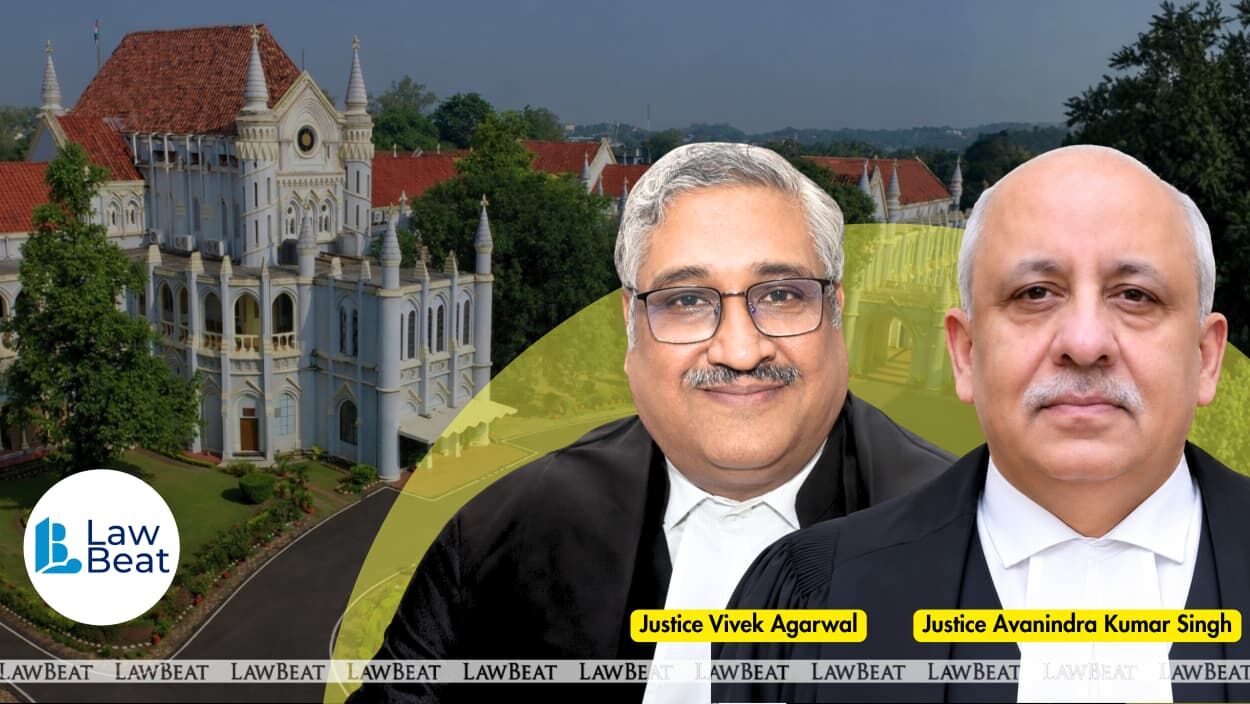
The Madhya Pradesh High Court recently affirmed a mother's right to custody of her 12-year-old son, rejecting a father's appeal to transfer the child to his care. This significant ruling underscores that while a child's preference is a factor, it is not the singular determinant in custody disputes, especially when considering the profound impact of a mother's care on a child's development. The division bench, comprising Justice Vivek Agarwal and Justice Avanindra Kumar Singh, upheld a prior Family Court judgment from Shahdol, dated July 20, 2020, which had similarly denied the father's plea for custody.
The father had initiated the appeal under Section 47 of the Guardian and Wards Act, 1890, read with Section 19 of the Family Courts Act, 1984. His legal representatives, Senior Advocate Shri Manoj Sharma and Ms. Aqsa Mokarram, argued that the child, being approximately twelve years old, possessed sufficient maturity to decide his living arrangements. They also contended that the mother had repeatedly violated visitation rights by relocating with the child to Ghaziabad, thereby moving outside the trial court's jurisdiction.
Arguments and Judicial Scrutiny
In response, the mother's counsel, Shri Akhil Singh, countered that a child of twelve years might not possess the full competence required for such significant decisions. He clarified that the move to Ghaziabad was primarily for the child's educational benefit. Furthermore, the mother's legal team highlighted the father's subsequent remarriage and the presence of children from this new union, suggesting a potential impact on his capacity for daily parental responsibility. A crucial point of contention arose regarding the father's alleged failure to visit his son in Ghaziabad, despite a High Court order from December 22, 2021, directing him to do so.
While the father's counsel disputed the claims regarding his second marriage and children, the High Court bench noted the absence of any documented proof that he had ever visited Ghaziabad to meet his son as previously mandated. This lack of demonstrated effort to maintain contact, coupled with the circumstances of his remarriage, contributed to the court's assessment of the father's genuine commitment to the child's daily care and emotional stability.
Legal Precedents and Child's Welfare
The court's decision was heavily influenced by established Supreme Court precedents, reinforcing the paramount importance of the child's overall welfare. Citing `Vivek Singh v. Romani Singh`, the bench observed that even when a child has lived with one parent for an extended period and expressed a preference, the mother's care becomes increasingly vital as the child enters a stage of developing personality. This precedent emphasizes the mother's crucial role in fostering emotional stability and overseeing the child's education and schooling. The High Court applied this reasoning even more strongly to a twelve-year-old, recognizing this as a critical period for emotional, mental, and physical development, where preference alone should not dictate custody.
Further, the bench referenced `Ruchi Majoo v. Sanjeev Majoo`, a case where the Supreme Court maintained a child's custody with the mother after finding the remarried father lacked genuine interest in day-to-day parental responsibilities. Drawing parallels, the MP High Court found the facts "similar" and concluded that the appellant father's second marriage weighed significantly in favor of continuing the child's custody with the mother, ensuring greater stability and consistent emotional support for the child.
The Final Ruling and Visitation Terms
Ultimately, the Madhya Pradesh High Court found no error in the Family Court's original refusal to transfer custody, dismissing the father's appeal. The court made the interim arrangement, initially established on December 22, 2021, absolute, thereby formalizing the visitation schedule. Under the final order, the father is permitted to meet his son for two hours every Sunday at the District Child Care Centre in Ghaziabad, with the mother present.
Should the mother and child be in Shahdol, the father may meet the ward every working Saturday at the creche attached to the District Court, Shahdol, or at the office of the Secretary, District Legal Services Authority, Shahdol. Additionally, the mother was directed to facilitate video calls between the father and son every Sunday evening, specifically between 8:00 PM and 8:30 PM. This comprehensive ruling provides clear guidance on visitation while firmly prioritizing the child's welfare and the mother's care.
Practical Implications
This judgment provides crucial guidance for family law practitioners in India, clarifying that a 12-year-old's preference is not the sole determinant in custody disputes. It reinforces the paramount importance of the child's overall welfare, emotional stability, and the mother's care during critical developmental stages, advising lawyers to consider broader factors like a parent's remarriage and demonstrated commitment to daily care when advising clients.
Source
How does this affect you?
Get an AI analysis of this article grounded in your jurisdictions, practice areas, and any policy documents you've uploaded to Wansom.
Finish Reading the Full Story and the Expert Analysis.
Wansom is AI and can make mistakes.