
Fifth Circuit: Baton Rouge Public Comment Ejection Case Tests Free Speech
Summary
- Eugene Collins and Michael McClanahan were ejected from a May 2017 Baton Rouge Metro Council meeting for discussing the 2016 police killing of Alton Sterling.
- U.S. District Judge John W. deGravelles ruled in September 2025 that their First Amendment rights were violated by viewpoint discrimination and being barred from a public meeting.
- The city was dismissed "with prejudice" in 2020, leading to arguments before the Fifth Circuit that the subsequent case against the mayor pro tem in his official capacity is moot.
- Attorneys are debating whether the mayor pro tem acted as a "final policymaker" or merely enforced existing rules, and if the dismissal "with prejudice" truly eliminated the entire case.
- This case highlights judicial scrutiny of municipal public comment policies, particularly regarding potential First Amendment violations like viewpoint discrimination.
The Baton Rouge Public Comment Controversy
The core legal question before the Fifth Circuit centers on the delicate balance between a municipality's right to maintain order in public forums and citizens' First Amendment protections against viewpoint discrimination during public speech.
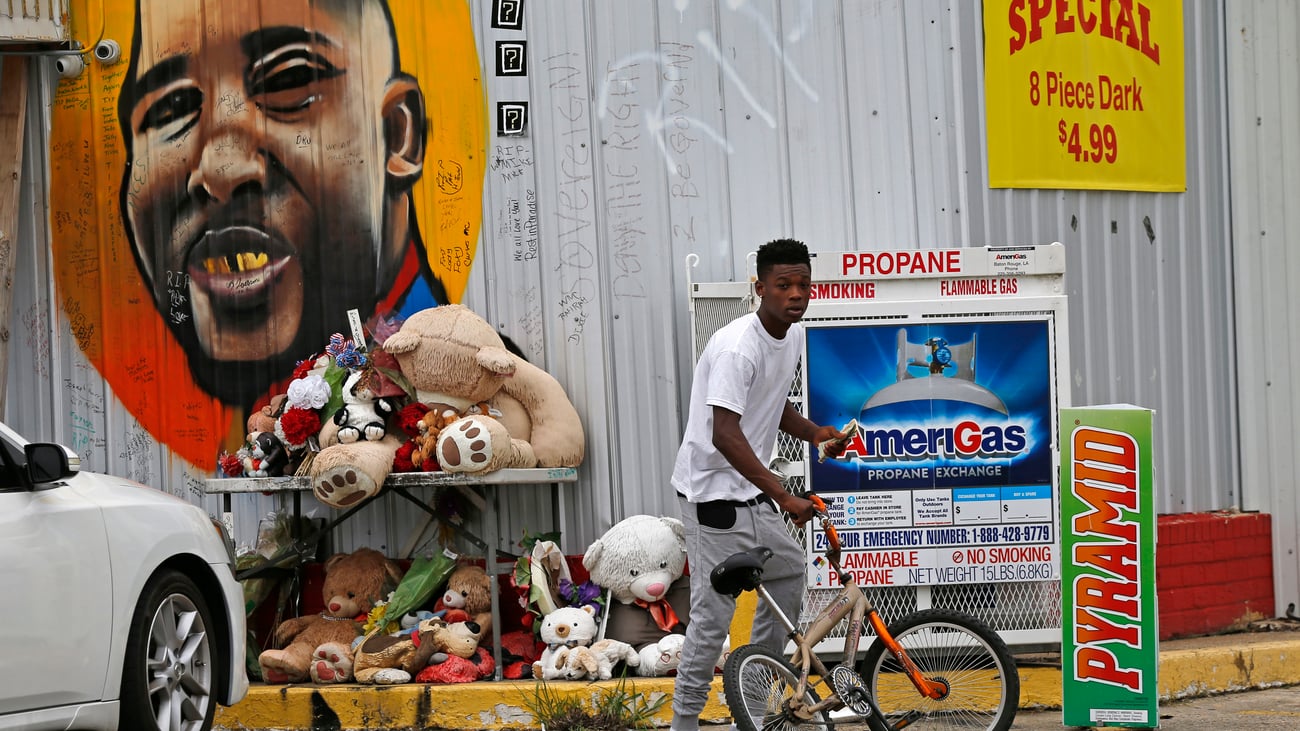
Nearly a decade after a contentious incident, the Fifth Circuit Court of Appeals is now examining whether the city of Baton Rouge unconstitutionally silenced speakers or merely enforced meeting rules. The case stems from a May 10, 2017, Baton Rouge Metro Council meeting where community leaders Eugene Collins and Michael McClanahan were ejected for attempting to discuss the 2016 police killing of Alton Sterling. Their objective was to advocate for a halt to "business as usual" until the city addressed Sterling's death, an issue they connected to agenda items concerning investigations into officer-involved incidents.
Then-Mayor Pro Tem Scott Wilson ordered officers to remove both men. Collins' opportunity at the podium lasted approximately two and a half seconds, while McClanahan was cut off after mentioning the shooting during his comments on a sewer-related item. A third activist, Gary Chambers, also faced ejection from the same meeting, though his subsequent legal claim was ultimately unsuccessful.
District Court Findings and Procedural History
In a September 2025 ruling, U.S. District Judge John W. deGravelles determined that McClanahan and Collins experienced violations of their First Amendment rights. Judge deGravelles concluded that their rights were infringed through viewpoint discrimination and by being unlawfully barred from a public meeting. However, the district court sided with the city regarding Chambers' claims and dismissed allegations of racial discrimination.
Procedurally, the city of Baton Rouge itself had previously been dismissed from the lawsuit as a redundant party. The legal action then proceeded against the official holding Mayor Pro Tem Wilson's former position, Brandon Noel, in his official capacity. This procedural step followed an earlier dismissal of the city parish "with prejudice" in 2020, a point that became central to the subsequent appellate arguments.
Fifth Circuit Scrutiny of Municipal Liability
During the recent Fifth Circuit hearing, attorney Celia R. Cangelosi, representing Mayor Pro Tem Noel, argued that the 2020 dismissal "with prejudice" against the city parish rendered the entire case against the mayor pro tem in his official capacity moot. She asserted that once the city was dismissed, there was no longer a viable case to be tried. U.S. Circuit Judge Kurt D. Engelhardt questioned whether such claims could be relitigated, to which Cangelosi maintained they were moot. U.S. Circuit Judge Jerry E. Smith, however, directed the discussion toward the substantive merits, inquiring about the identity of the "final decisionmaker or final policymaker."
Cangelosi contended that the panel should not even reach the policymaker question, but if it did, the mayor pro tem was merely enforcing rules established by the Metro Council and the Open Meetings Law, not setting policy. She highlighted what she perceived as the district judge's conflation of "decisionmaker" and "policymaker." Cangelosi also argued against using subsequent actions to infer the mayor pro tem's intent or motive on the date of the incident. Furthermore, she drew parallels between Michael McClanahan's circumstances and those of Gary Chambers, noting that both were off-topic, received warnings, and were associated with an NAACP post encouraging members to disrupt "business as usual." Conversely, William Most, representing McClanahan and Collins, characterized the jurisdictional argument as a "housekeeping fight" rather than a substantive challenge, explaining that courts frequently dismiss a city parish defendant while retaining an official capacity claim to avoid duplicative litigation.
Protecting Public Speech at Government Meetings
The core legal question before the Fifth Circuit centers on the delicate balance between a municipality's right to maintain order in public forums and citizens' First Amendment protections against viewpoint discrimination during public speech. This case, involving the Baton Rouge Metro Council public speech policies, underscores the ongoing judicial scrutiny of how local governments manage public comment sessions.
The outcome will have significant implications for municipal liability, particularly concerning official capacity liability, and how courts interpret the impact of a "dismissal with prejudice" on subsequent claims. It reinforces the critical need for local governments to ensure their public comment rules are content-neutral and applied consistently to avoid potential First Amendment violations and costly litigation.
Practical Implications
This case highlights the ongoing judicial scrutiny of municipal policies governing public comment at government meetings, particularly regarding potential First Amendment violations like viewpoint discrimination. Lawyers advising local governments must ensure public comment rules are content-neutral and applied consistently, while litigators should note the arguments around official capacity liability and the impact of "dismissal with prejudice" on subsequent claims.
Source
How does this affect you?
Get an AI analysis of this article grounded in your jurisdictions, practice areas, and any policy documents you've uploaded to Wansom.
Finish Reading the Full Story and the Expert Analysis.
Wansom is AI and can make mistakes.