
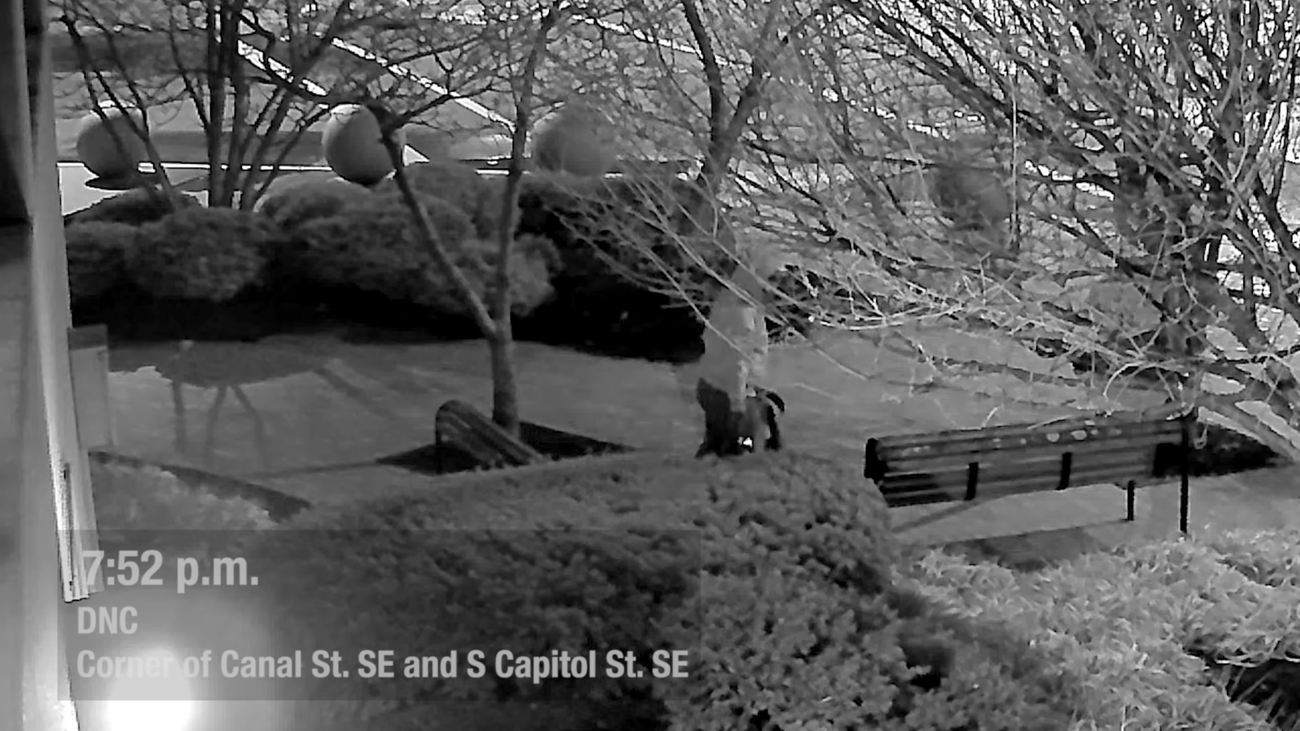
Brian Cole Jr Terrorism Charge Dismissal Denied in Pipe Bomb Case
Summary
- Brian Cole Jr., accused of planting pipe bombs near DNC and RNC headquarters on January 5, 2021, had his motion to dismiss a terrorism charge rejected in July 2026.
- His motion argues the DNC and RNC are not 'units of government' as strictly defined by D.C. Code Section 22-3152, which specifies 11 governmental entities.
- Cole's attorney, John R. Glover, asserts prosecutors failed to identify a specific unit of government Cole intended to influence or provide evidence of such intent.
- The defense also claims impermissible joinder of offenses, arguing prosecutors improperly combined two distinct theories of terrorism within a single count.
- The case, presided over by U.S. District Judge Amir Ali, could significantly impact the interpretation of terrorism statutes and the precision required in charging documents.
Terrorism Charge Dismissal Sought
This case provides a critical example of challenging the statutory definition of 'unit of government' within D.C. Code Section 22-3152, particularly concerning the targets of alleged acts.
Brian Cole Jr., a Virginia resident, formally requested a federal judge to dismiss a terrorism charge leveled against him, but this motion was rejected in July 2026. Cole stands accused of planting two pipe bombs near the headquarters of the Democratic National Committee (DNC) and the Republican National Committee (RNC) on January 5, 2021, the evening before the U.S. Capitol riot. Specifically, one device was located in an alley behind the RNC headquarters at 310 First Street Southeast, while the other was found next to a park bench near the DNC headquarters at 430 South Capitol Street Southeast #3. The alleged placement occurred between 7:30 p.m. and 8:30 p.m.
Cole, who was arrested in Woodbridge, Virginia, on December 4, 2025, faces a total of four counts, which could lead to a maximum sentence of life imprisonment if he is convicted. The specific terrorism charge at the center of his motion to dismiss is an "Act of Terrorism" via attempted malicious burning, destruction, or injury of property, brought under D.C. Code Section 22-3152. This charge was included in a superseding indictment filed on April 14, alongside a federal charge for the attempted use of a weapon of mass destruction. Cole's legal team argues that prosecutors have not adequately demonstrated that the alleged actions were intended to influence a unit of government, a critical element of the statute.
Challenging the 'Unit of Government' Definition
Central to the Brian Cole Jr terrorism charge dismissal motion is a rigorous challenge to the interpretation of 'unit of government' as defined in D.C. Code Section 22-3152. This statute mandates that an act of terrorism must be committed with the intent to influence "the policy or conduct of a unit of government by intimidation or coercion." The code explicitly enumerates what constitutes a unit of government, including the office of the President, Congress, any federal executive department or agency, the office of the Mayor of Washington, D.C., any executive department or agency of Washington, the D.C. Council, and both local and federal courts, as well as the Supreme Court.
John R. Glover, Cole's attorney from the Tennessee firm Litson, argues in a 12-page motion that the Republican and Democratic National Committees do not fall under this statutory definition. Glover contends that these political party headquarters are not governmental entities; rather, their function is to support their members' political campaigns. He highlights that the D.C. Code confirms this by specifically omitting political parties and their headquarters from the list of 11 enumerated units of government. Glover characterized the prosecution's failure to clarify which unit of government Cole allegedly intended to influence, or to provide evidence of such intent, as a "remarkable omission." Prosecutors, however, have asserted that Cole sought to influence the government and "intimidate and coerce a significant portion of the civilian population of the United States and the District of Columbia."
Concerns Over Impermissible Joinder
Beyond the definitional challenge, Cole's motion also raises significant procedural concerns regarding impermissible joinder of offenses within the terrorism charge. The local statute, D.C. Code Section 22-3152, outlines two distinct ways in which an act of terrorism can be committed: either by coercing a significant portion of the civilian population in the capital or the nation, or by influencing the policy or conduct of a unit of government. Cole's legal team argues that by pursuing both types of violations within a single count, prosecutors have improperly combined two separate offenses.
This approach, according to Glover, could compromise the integrity of a jury verdict. He posited that if a jury were to deliver a general adverse verdict against Cole on this count, it is possible that neither subpart would achieve unanimity. For instance, some jurors might believe Cole was guilty of intimidating the civilian population but not of influencing a unit of government, while others might reach the inverse conclusion. This lack of potential unanimity on either specific theory of culpability underscores the argument for the dismissal of the terrorism charge due to this alleged impermissible joinder of offenses.
Why It Matters
The recent rejection by U.S. District Judge Amir Ali of the Brian Cole Jr terrorism charge dismissal motion carries substantial weight for the interpretation and application of terrorism statutes. This case provides a critical example of challenging the statutory definition of 'unit of government' within D.C. Code Section 22-3152, particularly concerning the targets of alleged acts. The outcome could set an important precedent for how broadly or narrowly such governmental entities are defined in future prosecutions, especially in the context of events like those on January 6th.
Furthermore, the arguments concerning impermissible joinder of offenses highlight the precision required in drafting charging documents. The court's decision on whether prosecutors can combine distinct theories of culpability within a single count will influence how future terrorism charges are structured. This case underscores the importance of clear and unambiguous statutory definitions and the meticulous crafting of indictments to ensure due process and jury unanimity, making it a key development for legal professionals monitoring the application of terrorism laws.
Practical Implications
This case provides a critical example of challenging the statutory definition of 'unit of government' within D.C. Code Section 22-3152 for terrorism charges, and raises questions about proper indictment when multiple theories of culpability are presented. Lawyers should monitor the outcome as it could influence the interpretation and application of terrorism statutes, particularly regarding the targets of alleged acts and the precision required in charging documents.
Source
How does this affect you?
Get an AI analysis of this article grounded in your jurisdictions, practice areas, and any policy documents you've uploaded to Wansom.
Finish Reading the Full Story and the Expert Analysis.
Wansom is AI and can make mistakes.