
States Sue Trump Medicaid Trans Youth Ban: Challenge Gender Care Rule
Summary
- A coalition of 22 states has sued the Trump administration in Massachusetts federal court over a new Medicaid rule.
- The rule prohibits federal reimbursement for puberty-delaying medications, hormone therapies, and surgical procedures for gender dysphoria under Medicaid and CHIP.
- States argue the rule is arbitrary, capricious, lacks statutory authority, and unlawfully strips them of their role in determining medical necessity.
- The lawsuit claims the Trump administration is using transgender youth as "scapegoats" to advance a social policy agenda and undermine the Medicaid system.
- Defendants include HHS, its Secretary Robert F. Kennedy, Jr., CMS, and its Administrator Mehmet Oz.
States Challenge Federal Medicaid Rule
The states collectively argue that this unlawful rule threatens access to healthcare for transgender young people, creates unlawful barriers for low-income Americans who rely on Medicaid or CHIP for treatment, and ultimately "threatens the foundation of the Medicaid system."
A coalition of 22 states has initiated legal action against the Trump administration, filing a 60-page lawsuit in a Massachusetts federal court. The legal challenge, launched on a recent Wednesday, aims to dismantle new federal restrictions that impede access to gender-affirming care for transgender youth under Medicaid and the Children's Health Insurance Program (CHIP).
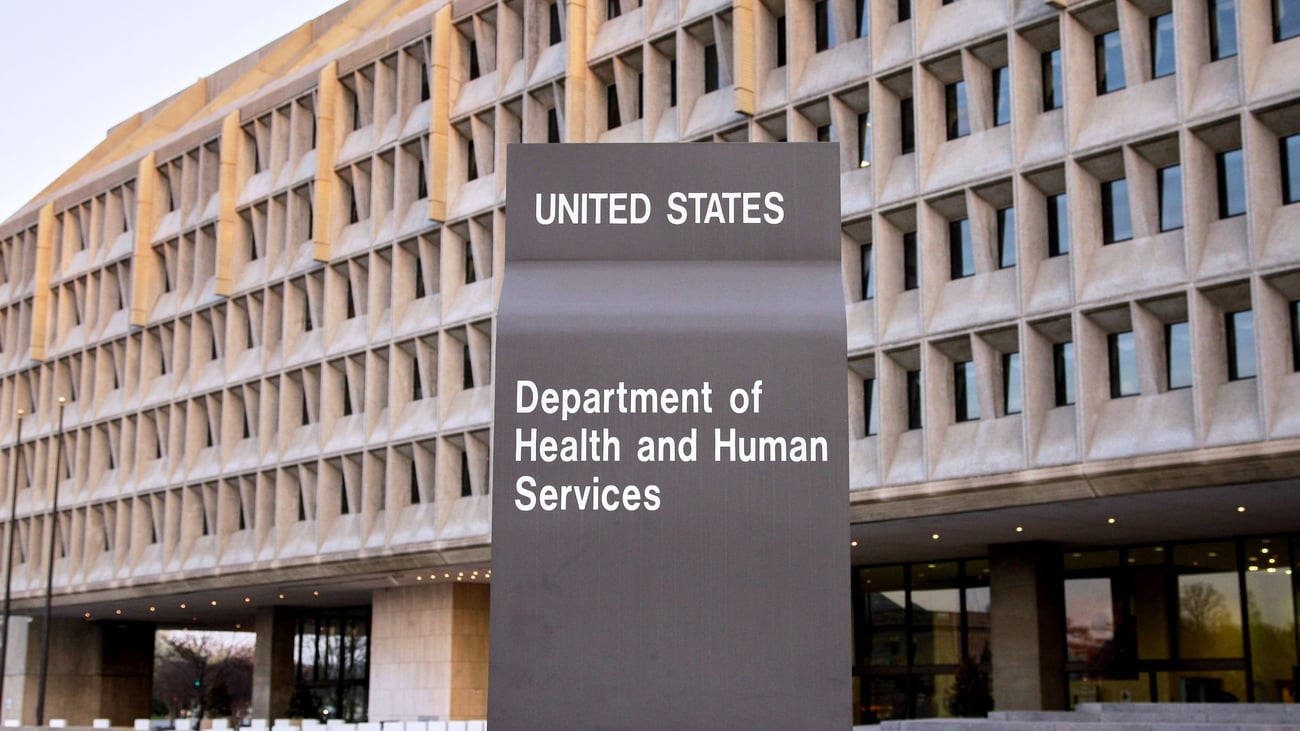
The lawsuit specifically targets the U.S. Department of Health and Human Services (HHS) and its Centers for Medicare & Medicaid Services (CMS). These federal agencies recently published a final rule, implemented on August 13, which prohibits states from utilizing federal reimbursement for puberty-delaying medications, hormone therapies, and surgical procedures when used to treat gender dysphoria. Notably, the states emphasize that these same medical treatments remain eligible for federal coverage when prescribed for other health conditions, suggesting a targeted discrimination against transgender youth.
Among the defendants named in the suit are HHS, its Secretary Robert F. Kennedy, Jr., CMS, and its Administrator Mehmet Oz. The plaintiff states, including California, Colorado, Connecticut, Delaware, Hawaii, Illinois, Maine, Michigan, Minnesota, Maryland, Massachusetts, Nevada, New Jersey, New York, Oregon, Pennsylvania, Rhode Island, Vermont, Virginia, Washington, Wisconsin, and the District of Columbia, contend that the Trump administration's Medicaid trans youth ban represents an overreach of executive power and undermines states' authority in healthcare administration.
Legal Grounds for the Challenge
The states' legal arguments against the Trump administration's Medicaid rule are multifaceted. They assert that the government acted without proper statutory authority or a reasoned basis, claiming the rule is arbitrary and capricious. This assertion is bolstered by the fact that when a proposed version of the change was published, HHS received thousands of public comments, with over 90% expressing opposition to the rule, yet the department proceeded with its implementation.
Furthermore, the lawsuit contends that Congress has explicitly granted states the authority to determine which services are covered under their Medicaid and CHIP programs, based on individualized assessments of medical necessity. The states argue that the new rule effectively strips them of their congressionally mandated role as Medicaid and CHIP administrators. They characterize the CMS action as setting a "troubling and unlawful precedent" where the executive branch, without congressional authorization, replaces individualized medical judgments with a categorical prohibition on federal reimbursement for care it disfavors, even when widely supported by medical professionals and legally protected in many plaintiff states.
Broader Implications and Political Motivations
Beyond the immediate legal and administrative concerns, the plaintiff states accuse the Trump administration of using transgender minors as "scapegoats to stoke national division." They allege that the administration's actions are part of a broader strategy to enlarge executive power without congressional authority, specifically to advance a social policy agenda that includes "relentless attacks" on the vulnerable transgender population.
New York Attorney General James, a member of the coalition, underscored the severity of the rule, stating that the federal government lacks the authority to dictate medically necessary care provided to New York residents. The states collectively argue that this unlawful rule threatens access to healthcare for transgender young people, creates unlawful barriers for low-income Americans who rely on Medicaid or CHIP for treatment, and ultimately "threatens the foundation of the Medicaid system." They believe the administration's choice was made merely to punish transgender youth, rather than based on sound medical or legal reasoning.
Practical Implications
Lawyers advising healthcare providers or state Medicaid agencies should monitor this lawsuit closely, as its outcome will determine the legality and enforceability of federal restrictions on Medicaid/CHIP coverage for gender-affirming care for trans youth. Compliance officers must assess potential impacts on billing, coverage policies, and patient access, especially if the rule is overturned or enjoined.
Source
How does this affect you?
Get an AI analysis of this article grounded in your jurisdictions, practice areas, and any policy documents you've uploaded to Wansom.
Finish Reading the Full Story and the Expert Analysis.
Wansom is AI and can make mistakes.