
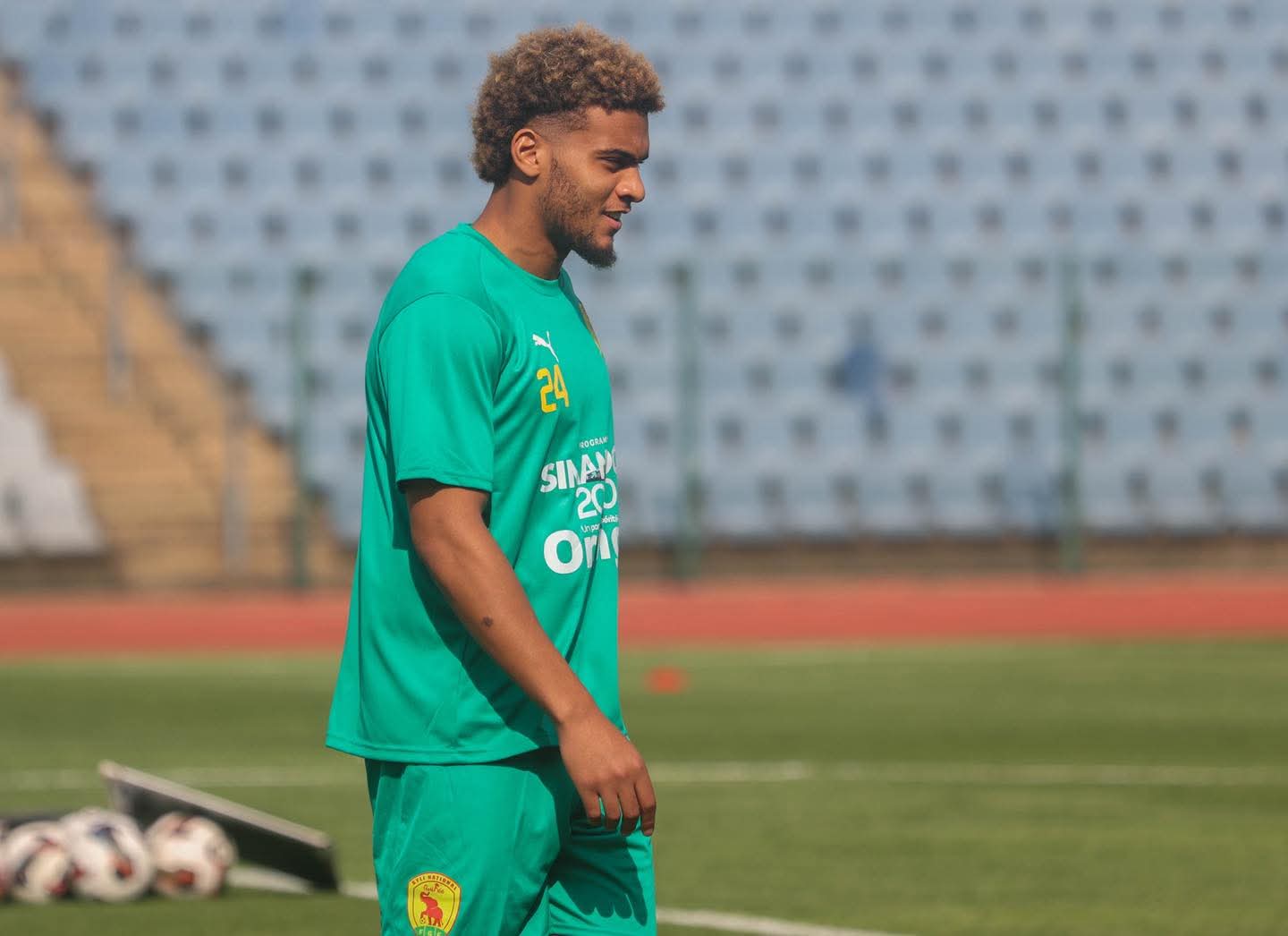
FIFA Ruling: Mohamed Lamine Diaby-Fadiga Authorized for Guinea
Summary
- FIFA officially authorized attacker Mohamed Lamine Diaby-Fadiga to play for Guinea's national team.
- The ruling was issued on March 6, 2026, with immediate effect.
- The Fédération guinéenne de football (FGF) formally requested FIFA's decision regarding Diaby-Fadiga, who was born in Grasse, France.
- This decision concludes an administrative process concerning the player's eligibility for the Syli National.
FIFA Authorizes Diaby-Fadiga for Guinea
This case illustrates FIFA's definitive authority in resolving player eligibility disputes for national teams, particularly concerning nationality changes.
The administrative process surrounding footballer Mohamed Lamine Diaby-Fadiga has reached a definitive conclusion. On March 6, 2026, the global governing body of football, FIFA, issued a decisive ruling concerning the attacker's eligibility for international play. This decision came after the Fédération guinéenne de football (FGF), commonly known as Feguifoot, formally approached FIFA to resolve the matter.
Diaby-Fadiga, who was born in Grasse, located in France's Alpes-Maritimes department, has now received official authorization to represent the Syli National, Guinea's national football team. This clearance is effective immediately, allowing the player to don the national jersey without further delay. The ruling brings an end to what had been described as an administrative saga, confirming the player's status and paving the way for his potential contributions to the Guinean squad.
FIFA's Definitive Role in Player Eligibility
This resolution underscores the critical role FIFA plays in adjudicating matters of player eligibility for national teams, particularly when nationality changes or dual nationality issues arise. The necessity for Feguifoot to petition FIFA highlights the stringent regulatory framework governing international football. Such cases typically fall under the purview of FIFA's Players' Status Committee, which is tasked with interpreting and applying the regulations concerning the eligibility of players to represent national associations.
For players like Diaby-Fadiga, whose birthplace is in one country but who wish to represent another, formal approval from FIFA is indispensable. This process ensures compliance with international statutes designed to maintain fairness and order in global competitions. The Guinean Football Federation's proactive engagement with FIFA demonstrates the correct procedural path for securing official authorization for a player's national team eligibility, preventing future disputes or sanctions related to player status.
Implications for Player and National Team
The immediate authorization for Mohamed Lamine Diaby-Fadiga to play for the Syli National carries significant implications for both the player and the Guinean national team. For Diaby-Fadiga, it marks the culmination of an administrative journey, granting him the opportunity to compete on the international stage for Guinea as an attacker. This outcome is a direct result of Feguifoot's successful navigation of FIFA's administrative channels.
For the Syli National, the addition of an authorized attacker strengthens the team's roster and provides more options for future matches. This case illustrates FIFA's definitive authority in resolving player eligibility disputes for national teams, particularly concerning nationality changes. It reinforces the understanding that federations must formally engage with FIFA's administrative processes to secure official authorization, thereby preventing potential future disputes or sanctions. This definitive FIFA ruling on Mohamed Lamine Diaby-Fadiga's eligibility sets a clear precedent for similar situations in African football and beyond, affirming FIFA's ultimate authority in these complex administrative decisions.
Practical Implications
This case illustrates FIFA's definitive authority in resolving player eligibility disputes for national teams, particularly concerning nationality changes. Lawyers advising sports federations or players should note the necessity of formal engagement with FIFA's administrative processes to secure official authorization, preventing potential future disputes or sanctions.
Source
How does this affect you?
Get an AI analysis of this article grounded in your jurisdictions, practice areas, and any policy documents you've uploaded to Wansom.
Finish Reading the Full Story and the Expert Analysis.
Get the latest legal & regulatory intelligence in Guinea
Wansom is AI and can make mistakes.