
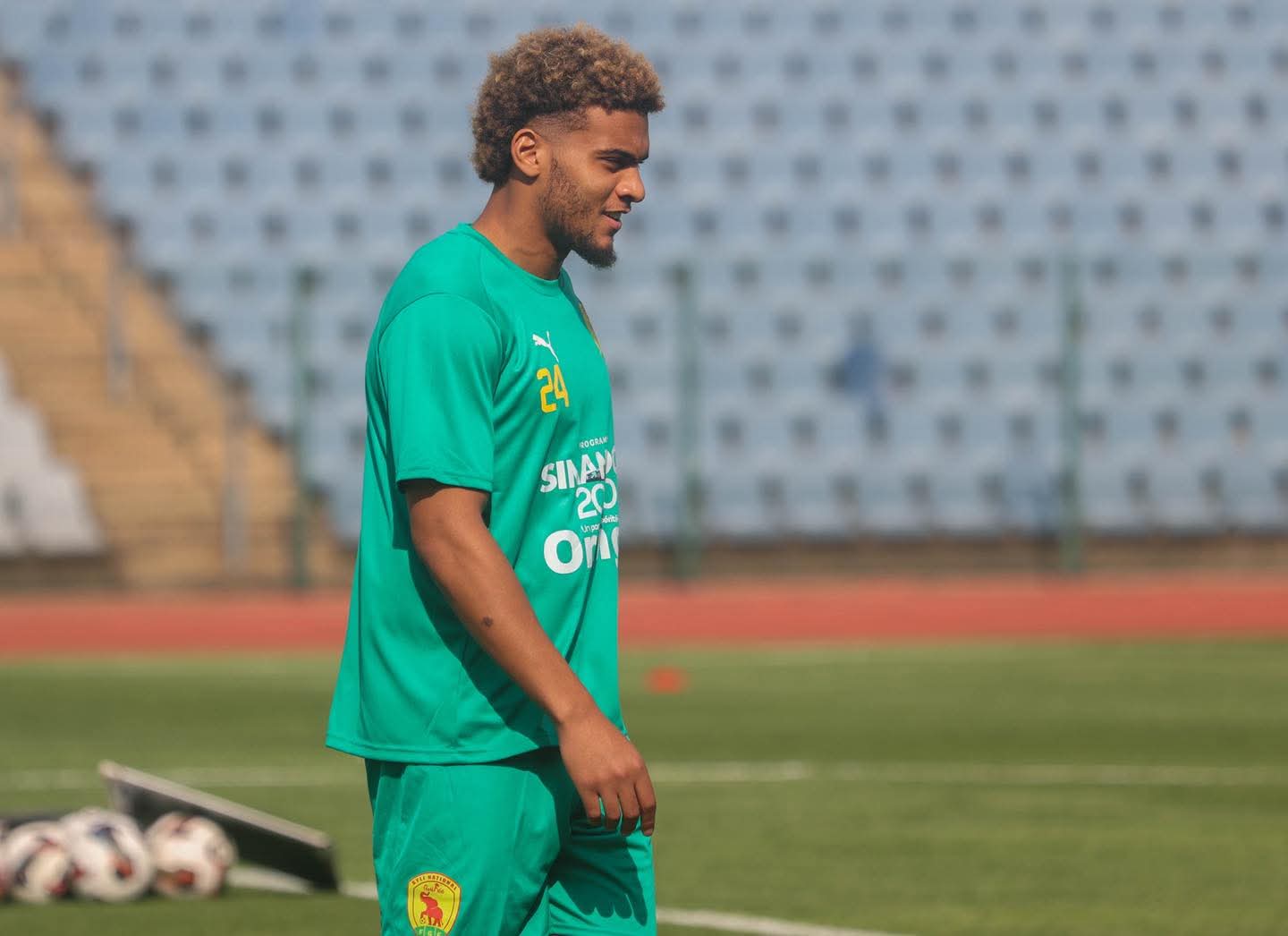
FIFA: Authorizes Mohamed Diaby-Fadiga to Play for Guinea
On March 6, 2026, in Guinea, the Fédération Internationale de Football Association (FIFA) ruled that Mohamed Lamine Diaby-Fadiga is officially authorized to represent the Syli National football team, following a request from the Fédération guinéenne de football (FGF).
This decision by FIFA brings a definitive end to an administrative process concerning the eligibility of Mohamed Lamine Diaby-Fadiga, an attacker born in Grasse, France. The ruling grants him immediate effect to wear the jersey of Guinea's national team, the Syli National. The fact that the FGF had to refer the matter to FIFA indicates a complex administrative hurdle, likely related to the player's international eligibility status, which required the ultimate authority of the global football governing body to resolve.
For national football federations, players, and sports law practitioners, this outcome underscores the critical role of FIFA in adjudicating player eligibility disputes, particularly those involving changes of national association or players with dual nationality. It highlights the intricate web of international sports regulations that must be navigated to ensure a player can legally represent a national team. The resolution of such administrative sagas is vital for both the sporting integrity of national teams and the careers of individual athletes, as eligibility issues can significantly impact team selection and participation in international competitions.
The legal context for this decision is primarily governed by the FIFA Statutes and the Regulations Governing the Application of the Statutes, specifically those articles pertaining to eligibility to play for representative teams. These regulations outline criteria such as birth, parentage, residency, and previous appearances for another national association, which determine a player's eligibility and the conditions under which a change of association can be granted. The FGF's referral to FIFA signifies that the matter fell within FIFA's jurisdiction as the ultimate arbiter of international football rules. The key parties involved are FIFA as the decision-making body, the Fédération guinéenne de football (FGF) as the requesting national association, and Mohamed Lamine Diaby-Fadiga as the player whose eligibility was confirmed.
Sports law practitioners and national federations should take note of this case as a clear example of the formal process required to secure player eligibility, especially for those with international backgrounds. It emphasizes the need for meticulous adherence to FIFA's regulations on player status and transfers. Attorneys advising federations or players should proactively identify potential eligibility issues and engage with FIFA through the appropriate channels to avoid delays or adverse rulings. Establishing robust internal procedures for managing player documentation and eligibility checks is paramount to prevent administrative complications that could impact national team performance and player careers.
How does this affect you?
Get an AI analysis of this article grounded in your jurisdictions, practice areas, and any policy documents you've uploaded to Wansom.
Finish Reading the Full Story and the Expert Analysis.
Get the latest legal & regulatory intelligence in Guinea
Wansom is AI and can make mistakes.