
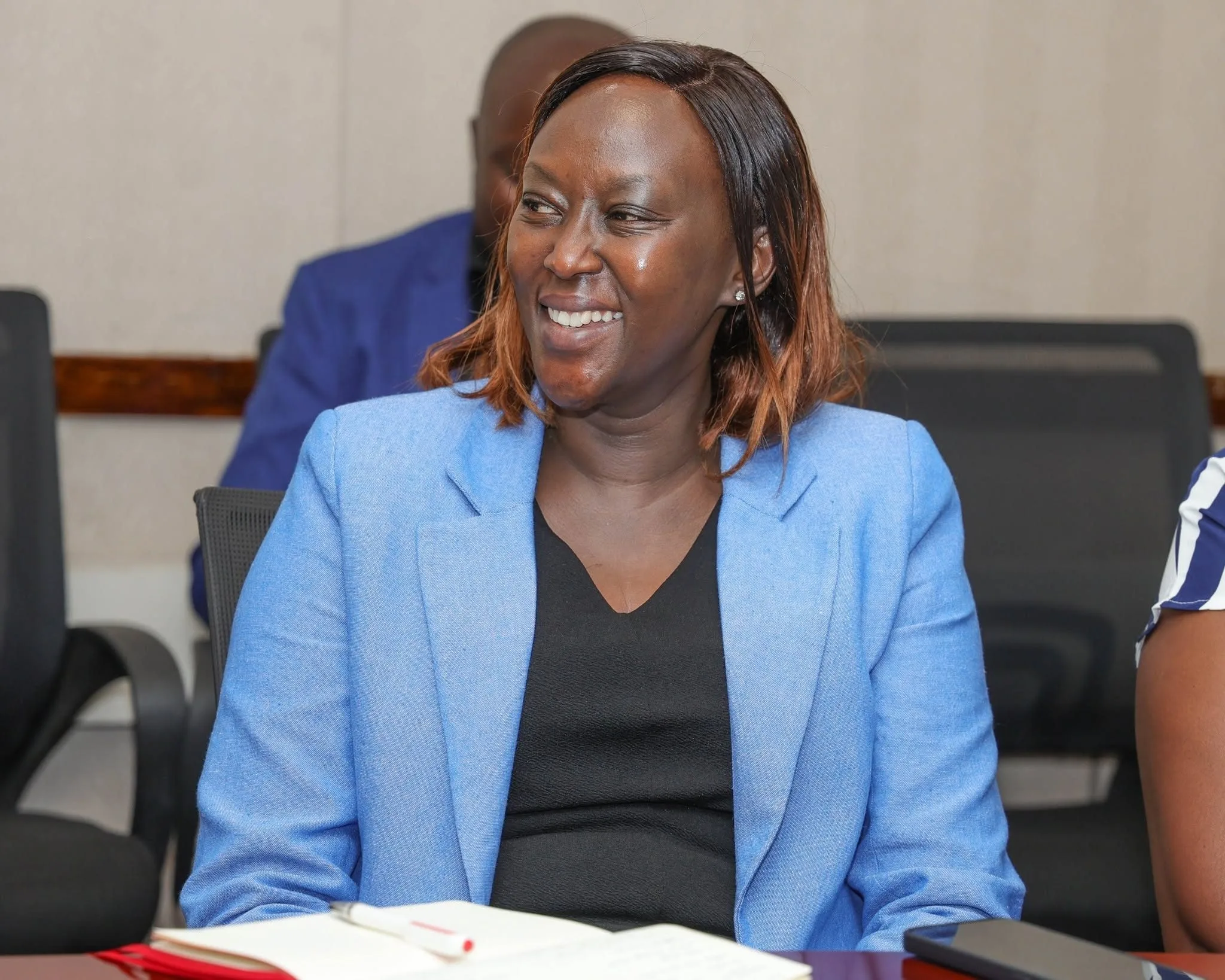
FIDA-Kenya: Kenya Women's Rights Implementation Gaps Persist
Summary
- FIDA-Kenya has called for renewed action to address persistent challenges for women, including femicide, gender-based violence, and the delayed implementation of the two-thirds gender rule.
- Despite significant constitutional progress since 2010, major gaps remain between legal promises and women's lived experiences in Kenya.
- The organization highlights rising femicide and GBV cases, advocating for stronger prevention, investigation, prosecution, and survivor support systems.
- The two-thirds gender rule, a constitutional requirement for equitable representation in public bodies, remains largely unimplemented despite years of advocacy.
- FIDA-Kenya stresses that effective implementation and institutional effectiveness are crucial for women to fully enjoy their rights, beyond just legislative guarantees.
FIDA-Kenya Highlights Persistent Implementation Gaps
The organization emphasizes that constitutional guarantees must be matched by effective implementation for women to fully enjoy their legally enshrined rights.
The Federation of Women Lawyers in Kenya (FIDA-Kenya) has issued a renewed call for concrete action to address critical challenges impacting women across the nation. Speaking at the Kenyatta International Convention Centre (KICC), FIDA-Kenya Chairperson Christine Kungu underscored the significant progress made in advancing women's constitutional rights since the promulgation of the 2010 Constitution. However, she cautioned that substantial disparities persist between the constitutional promises and the actual experiences of women in Kenya, signaling significant FIDA-Kenya Kenya women's rights implementation gaps.
Ongoing Struggle Against Femicide and GBV
Among the most pressing concerns highlighted by FIDA-Kenya are the escalating rates of femicide and gender-based violence. The organization has consistently voiced alarm over the rising number of such cases, urging for more robust prevention strategies, thorough investigations, effective prosecutions, and comprehensive support systems for survivors. FIDA-Kenya has also pressed the government to act on recommendations outlined in the national report dedicated to addressing GBV and femicide.
Persistent violence against women, according to FIDA-Kenya, exposes profound weaknesses not only in the enforcement of existing laws but also in the mechanisms designed to ensure access to justice and protection. This ongoing struggle underscores significant gender equality Kenya legal challenges. The country is currently engaged in a broader debate on how best to combat femicide and other forms of violence, with various rights organizations, including FIDA-Kenya, advocating for enhanced accountability and more coordinated interventions.
The Unfulfilled Two-Thirds Gender Rule
FIDA-Kenya has also drawn renewed attention to the critical, yet unimplemented, two-thirds gender rule. This constitutional requirement is designed to ensure equitable representation of both women and men in all elective and appointive public bodies, forming a cornerstone of Kenya's constitutional framework on gender equality. Despite its clear mandate, the Kenya two-thirds gender rule implementation remains a significant area of constitutional non-compliance.
Years of legal and political efforts have not yet yielded the required gender balance in public leadership positions. FIDA-Kenya has been a leading voice among organizations advocating for measures to translate this constitutional commitment into meaningful representation for women. The organization's sustained advocacy highlights the persistent legal and practical hurdles to achieving true gender parity in governance.
Beyond Legislation: The Need for Effective Implementation
Chairperson Kungu emphasized that constitutional guarantees alone are insufficient; they must be complemented by effective implementation for women to fully realize their legally enshrined rights. FIDA-Kenya's concerns extend beyond the mere existence of legislation to the actual effectiveness of institutions tasked with protecting women, responding to violence, and ensuring equal participation in public life.
FIDA-Kenya continues its advocacy for stronger action on gender-based violence, enhanced survivor protection, and increased women's political representation. The organization firmly believes that the promises embedded in the Constitution must translate into tangible improvements in women's daily lives. As Kenya reflects on 16 years of constitutional governance, FIDA-Kenya's core message is that true progress should be measured not solely by the laws and institutions established, but by whether women and girls can live safely, access justice, and participate equally in the nation's political and social spheres.
Practical Implications
Lawyers and compliance officers should be aware of the persistent legal and societal challenges highlighted by FIDA-Kenya regarding the non-implementation of the two-thirds gender rule and the ongoing issues of femicide and gender-based violence in Kenya. This signals potential for increased advocacy, legislative reforms, or litigation efforts concerning gender equality and protection mechanisms, impacting public sector appointments and corporate social responsibility considerations.
Source
How does this affect you?
Get an AI analysis of this article grounded in your jurisdictions, practice areas, and any policy documents you've uploaded to Wansom.
Finish this article free. Just your email for instant unlock.
Wansom is AI and can make mistakes.