
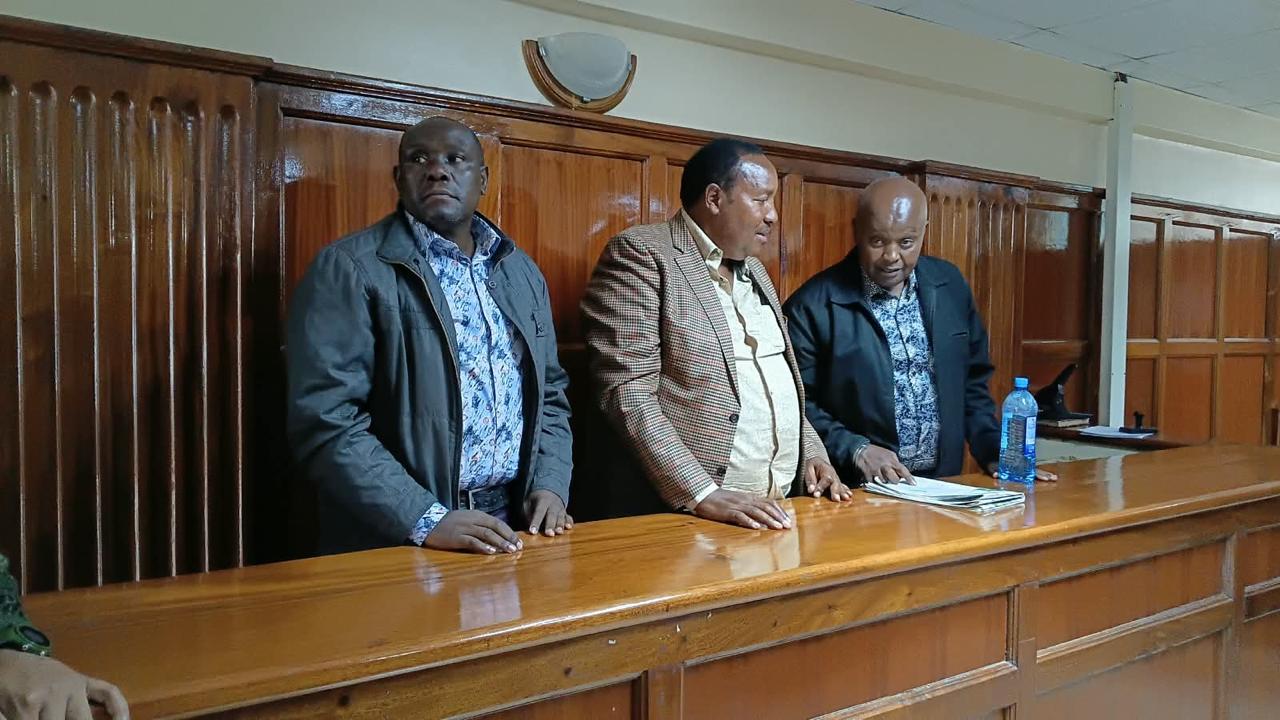
Kenya High Court: Ferdinand Waititu Conviction Upheld, EACC to Recover Ksh170M
Summary
- The High Court upheld the corruption conviction and sentence of former Kiambu Governor Ferdinand Waititu, his wife, and associates.
- Lady Justice Rose Ougo delivered the judgment on October 14, 2026.
- The Ethics and Anti-Corruption Commission (EACC) welcomed the High Court's decision.
- The EACC is actively seeking to recover Ksh170 million linked to the corruption offenses.
- This ruling reinforces the judiciary's commitment to upholding corruption convictions against public officials in Kenya.
High Court Affirms Corruption Conviction for Former Kiambu Governor
This case serves as a precedent for the sustained legal challenges and financial repercussions faced by those found guilty of corruption.
The High Court has rendered a definitive decision, upholding the conviction and sentence previously imposed on Ferdinand Waititu, the former Governor of Kiambu County. This significant ruling also extends to his wife and several individuals identified as his associates, all of whom were found guilty of offenses related to corruption. The judgment, which effectively dismissed an appeal against their initial conviction, was formally delivered on October 14, 2026. Lady Justice Rose Ougo, presiding over the High Court's Anti-Corruption Division, issued the verdict.
EACC Intensifies Efforts for Ksh170 Million Asset Recovery
In the wake of the High Court's decision to uphold the corruption convictions, the Ethics and Anti-Corruption Commission (EACC) has reaffirmed its commitment to a substantial asset recovery initiative. The anti-graft agency is actively pursuing the recovery of Ksh170 million, a sum directly linked to the corrupt activities for which former Governor Waititu, his wife, and their associates were found culpable. This aggressive stance highlights the EACC's comprehensive approach to combating corruption, which includes not only prosecution but also the reclamation of ill-gotten wealth.
The EACC's determination to recover these funds is a critical aspect of its mandate, aiming to ensure that public resources diverted through corruption are returned to the state. This particular financial recovery effort serves as a potent reminder that convictions for corruption carry significant monetary consequences, beyond just punitive sentencing. It signals a clear intent by Kenyan authorities to dismantle the financial networks supporting corruption and to restore public trust by demonstrating that crime does not pay.
Reinforcing Kenya's Anti-Corruption Framework
The High Court's recent ruling, which sustained the conviction of a prominent former county governor for corruption, marks a pivotal moment for Kenya's anti-corruption framework. This decision, delivered by Lady Justice Rose Ougo, sends an unequivocal message about the judiciary's resolve to enforce anti-graft laws, particularly against high-ranking public officials. The upholding of these convictions on appeal demonstrates a robust judicial process that scrutinizes and validates initial findings of corruption.
Such judicial consistency is paramount for bolstering public confidence in the integrity of governmental institutions and the effectiveness of anti-corruption measures. The EACC's welcoming of the judgment, coupled with its proactive pursuit of Ksh170 million in asset recovery, illustrates a synchronized effort between investigative and judicial bodies. This case serves as a precedent for the sustained legal challenges and financial repercussions faced by those found guilty of corruption, emphasizing the stringent enforcement environment for public officials in Kenya. It underscores the continued stringent enforcement against public officials in Kenya, signaling that accountability for corruption remains a top priority.
Practical Implications
Lawyers and compliance officers should note that this High Court decision reinforces the judiciary's commitment to upholding corruption convictions and the EACC's aggressive pursuit of asset recovery, signaling continued stringent enforcement against public officials in Kenya. This case serves as a precedent for the sustained legal challenges and financial repercussions faced by those found guilty of corruption.
Source
How does this affect you?
Get an AI analysis of this article grounded in your jurisdictions, practice areas, and any policy documents you've uploaded to Wansom.
Finish Reading the Full Story and the Expert Analysis.
Get the latest legal & regulatory intelligence in Kenya
Wansom is AI and can make mistakes.