
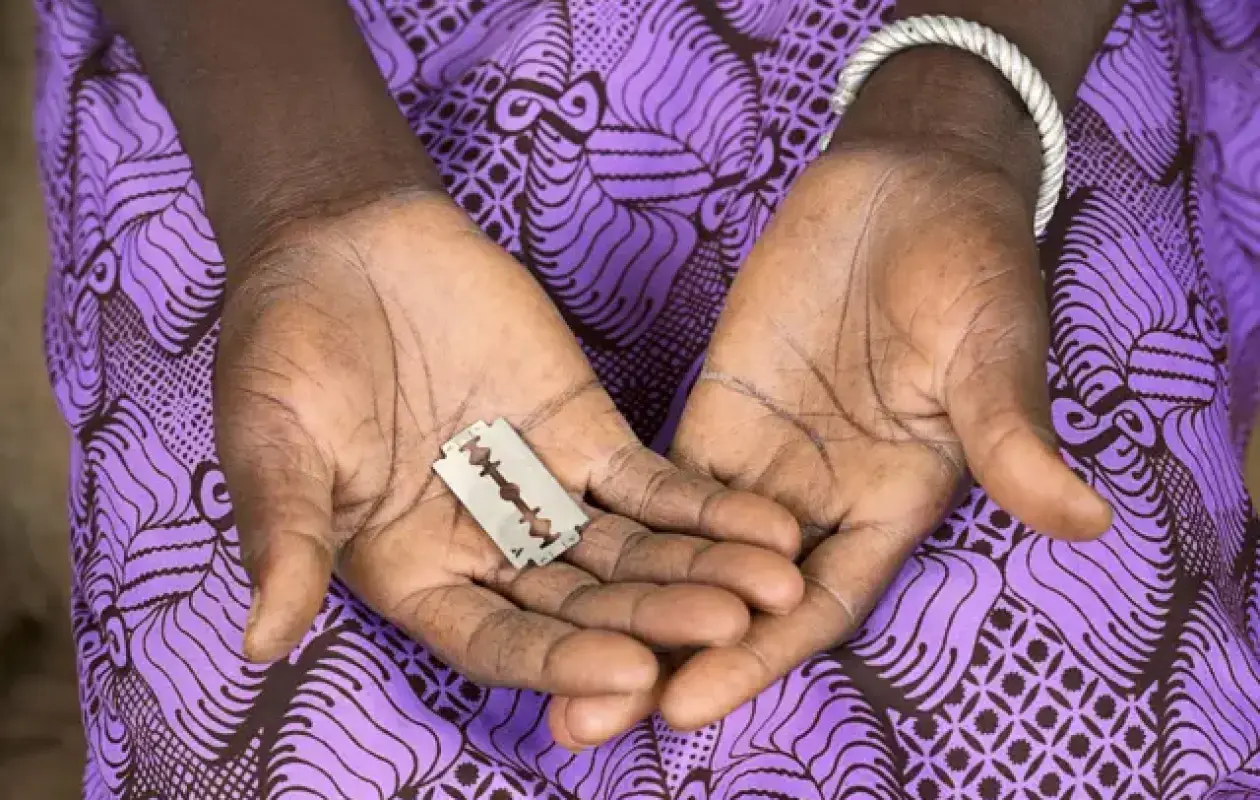
FENOPAME Demands Application of Law 99-05 After Newborn's Death
In Senegal, following the reported death of a newborn in Sadatou, Goudiry department, allegedly due to female genital mutilation (FGM) performed by the child's 85-year-old grandmother without parental consent, the National Federation of Organizations for the Promotion of the Abandonment of Female Genital Mutilation (FENOPAME) issued a communiqué on November 16, 2026, demanding an investigation and the rigorous application of Law No. 99-05 of January 29, 1999, which criminalizes FGM.
This incident and FENOPAME's response underscore the ongoing challenges in eradicating FGM in Senegal and highlight the critical importance of enforcing existing legislation designed to protect vulnerable individuals, particularly children. The call for strict application of the law signals a demand for accountability and deterrence, which is vital for public health, human rights, and the rule of law. For legal professionals, it emphasizes the potential for criminal prosecution in cases involving FGM, even when traditional practices or familial relationships are involved, and the need for thorough investigation and prosecution.
The central legal framework is Law No. 99-05 of January 29, 1999, which specifically amended the Senegalese Penal Code to criminalize female genital mutilation. This law represents a significant legislative effort to combat FGM, reflecting Senegal's commitment to international human rights instruments and the protection of women and girls. The incident, if proven, would fall squarely under the purview of this law, potentially leading to charges of assault, grievous bodily harm, or even homicide, depending on the specific circumstances and the causal link established between the FGM and the child's death. The involvement of an elderly family member raises complex issues regarding cultural practices versus legal prohibitions.
The key parties involved include the deceased newborn, the alleged perpetrator (the 85-year-old grandmother), the parents of the child, and the National Federation of Organizations for the Promotion of the Abandonment of Female Genital Mutilation (FENOPAME) as an advocacy group. The "competent authorities" (police, prosecutors, judiciary) are implicitly involved as the entities responsible for investigation and potential prosecution. The excerpt does not report the outcome of any investigation or legal proceedings.
Attorneys in Senegal, particularly those involved in criminal law, family law, or human rights, should be aware of the robust legal framework against FGM, specifically Law No. 99-05. This case serves as a stark reminder that FGM remains a serious criminal offense with potentially severe consequences, even when performed within a family context. Practitioners should be prepared to advise on the criminal liabilities associated with FGM, the importance of reporting such incidents, and the potential for advocacy groups like FENOPAME to push for rigorous enforcement. Furthermore, the case highlights the need for sensitivity and cultural awareness when dealing with such matters, while firmly upholding the legal prohibitions.
How does this affect you?
Get an AI analysis of this article grounded in your jurisdictions, practice areas, and any policy documents you've uploaded to Wansom.
Finish Reading the Full Story and the Expert Analysis.
Get the latest legal & regulatory intelligence in Senegal
Wansom is AI and can make mistakes.