
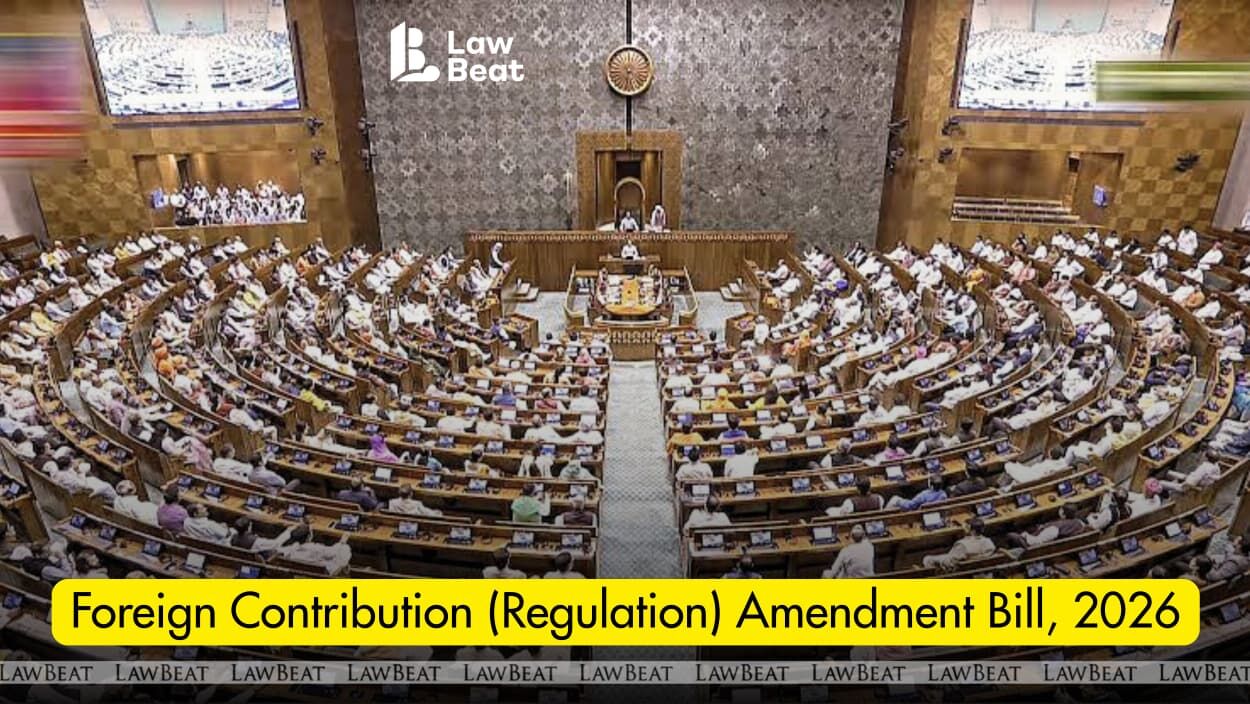
Lok Sabha: FCRA Amendment Bill 2026 Referred to JPC Amid Opposition
Summary
- The Indian government has referred the FCRA Amendment Bill 2026 to a Joint Parliamentary Committee (JPC) for detailed examination.
- The proposed changes could disproportionately affect charitable, educational, and religious organizations, particularly those dependent on foreign contributions.
- The referral of the Bill to a JPC will likely delay its passage, giving stakeholders more time to review and comment on the legislation.
What Happened
The government's move comes after consultations and objections from several stakeholders, including a delegation led by DMK MP P Wilson who met Home Minister Amit Shah and sought either withdrawal of the Bill or its referral to a parliamentary committee.
The Indian government has moved to refer the contentious FCRA Amendment Bill 2026 to a Joint Parliamentary Committee (JPC) for detailed examination. This decision comes amidst strong opposition from various parties, civil society groups, and Christian organizations. The Bill, introduced in the Lok Sabha on March 25, 2026, has faced criticism over its proposed changes, which could disproportionately affect charitable, educational, and religious organizations. The government's move is seen as a shift from its earlier position, with some arguing that it is an attempt to placate the opposition. The referral of the Bill to a JPC will likely delay its passage, giving stakeholders more time to review and comment on the legislation.
Legal Context
The FCRA Amendment Bill 2026 proposes significant changes to the existing framework for managing foreign contributions in India. A key provision of the Bill is the creation of a Designated Authority to take custody of, manage, and eventually dispose of foreign contributions and assets created from such funds when an organization's FCRA registration ceases to remain valid. The Bill also contains provisions concerning assets created partly through foreign and domestic contributions. The government has maintained that the amendments are intended to address gaps in the existing framework and bring greater transparency and administrative certainty to the management of assets when an organization loses its FCRA registration.
Why It Matters
The proposed changes to the FCRA Act have significant implications for NGOs and charitable organizations, which rely heavily on foreign contributions. The increased scrutiny and compliance requirements could lead to a chilling effect on these organizations, limiting their ability to operate effectively. Lawyers should watch closely as this legislation unfolds, as it has the potential to impact not only NGOs but also the broader civil society landscape in India.
Practical Implications
Lawyers should watch for the potential impact on NGOs and charitable organisations, as the proposed amendments could lead to increased scrutiny and compliance requirements. The referral of the Bill to a JPC may also delay its passage, giving stakeholders more time to review and comment on the legislation.
Source
How does this affect you?
Get an AI analysis of this article grounded in your jurisdictions, practice areas, and any policy documents you've uploaded to Wansom.
Wansom is AI and can make mistakes.