
Fatick: Aliou Badji Arrested in Gasoil Trafic Near Autoroute Chantier
Summary
- Police in Fatick arrested Aliou Badji, a 36-year-old clandestine taxi driver, after a nearly two-month investigation into illicit gasoil trafficking.
- The investigation, which began in August 2026, led to a raid on August 11, 2026, where 15 full and 74 empty 20-liter gasoil containers were discovered.
- Badji, who initially evaded capture, was later arrested and reportedly confessed to the charges.
- He implicated tanker trucks and vehicles from the Fatick-Kaolack highway, which was inaugurated and opened to traffic on August 22, 2026, as sources for the illicit fuel.
- Badji faces charges for illicit gasoil trafficking, irregular passenger transport, and driving without a Category D license.
What Happened
Crucially, he also implicated tanker trucks and other vehicles associated with the Fatick-Kaolack highway, which was inaugurated and opened to traffic on August 22, 2026, as his sources of supply for the illicit gasoil.
Police in Fatick recently concluded a nearly two-month investigation into illicit fuel trafficking, culminating in the arrest of Aliou Badji, a 36-year-old clandestine taxi driver. Badji faces charges related to the illegal trade of gasoil, operating an irregular passenger transport service, and driving without the required Category D license. The extensive inquiry began in August 2026, following an intelligence report that detailed the operations of a clandestine fuel sales network within the Peulga neighborhood.
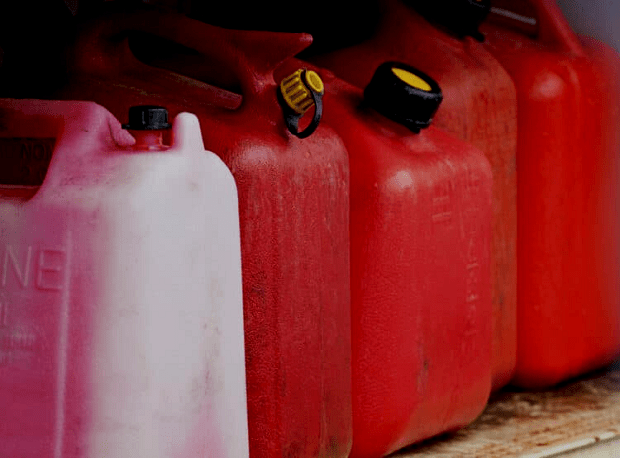
Investigators focused their attention on a suspected clandestine taxi driver believed to be orchestrating this illicit circuit. After monitoring Badji and his residence, authorities executed a raid on August 11, 2026, around 12:20 PM. During the operation, the primary suspect managed to evade capture by scaling a perimeter wall. However, officers discovered a significant cache of fuel: fifteen 20-liter containers filled with gasoil, alongside seventy-four empty containers of the same capacity, the contents of which were presumed to have already been sold on the black market. These containers were found concealed within a ditch located behind the property.
A man identified as M. Diédhiou, present at the scene during the raid, was taken in for questioning. He was subsequently released due to insufficient evidence, but not before identifying Aliou Badji as the owner of the seized fuel. Upon his eventual arrest, Badji reportedly confessed to the allegations. Crucially, he also implicated tanker trucks and other vehicles associated with the Fatick-Kaolack highway, which was inaugurated and opened to traffic on August 22, 2026, as his sources of supply for the illicit gasoil.
Legal Context
The charges against Aliou Badji underscore the serious legal ramifications associated with the illicit trade of fuel in Senegal. Beyond the primary accusation of illegal gasoil trafficking, Badji is also being prosecuted for operating an irregular passenger transport service, highlighting a disregard for public safety regulations. Furthermore, the absence of a Category D driving license adds another layer to his legal predicament, indicating a failure to meet professional driving standards.
This case sheds light on the persistent challenge of clandestine fuel sales networks, such as the one reportedly operating in Fatick's Peulga neighborhood. Such networks not only bypass legitimate commercial channels but also often involve the diversion of resources, as suggested by Badji's alleged sourcing from a major infrastructure project. The legal framework aims to curb these activities, which can undermine economic stability and pose environmental and safety risks.
Why It Matters
The alleged involvement of vehicles from the Fatick-Kaolack highway construction site in the illicit gasoil trafficking network carries significant implications, particularly for construction companies and logistics firms engaged in large-scale infrastructure projects in Senegal. This incident highlights a critical vulnerability in supply chain management and internal controls for fuel resources. The diversion of fuel, a valuable commodity on such projects, can lead to substantial financial losses and operational inefficiencies for the companies involved.
Beyond the immediate financial impact, the case raises serious questions about corporate oversight and employee conduct. Companies operating in the region must recognize the potential for reputational damage and legal exposure stemming from such illicit activities, even if perpetrated by individual employees. Compliance officers and legal counsel are advised to thoroughly review and strengthen their protocols for fuel procurement, storage, and distribution to prevent similar occurrences and mitigate associated risks. This incident serves as a stark reminder of the need for vigilance in safeguarding assets and ensuring ethical operations across all levels of a project.
Practical Implications
Compliance officers and legal counsel for construction companies or logistics firms operating on large infrastructure projects in Senegal should review their internal controls and supply chain management protocols for fuel, given the implication of construction site vehicles in illicit gasoil trafficking. This case highlights potential reputational and legal risks associated with employee misconduct and fuel diversion.
Source
How does this affect you?
Get an AI analysis of this article grounded in your jurisdictions, practice areas, and any policy documents you've uploaded to Wansom.
Finish Reading the Full Story and the Expert Analysis.
Get the latest legal & regulatory intelligence in Senegal
Wansom is AI and can make mistakes.