
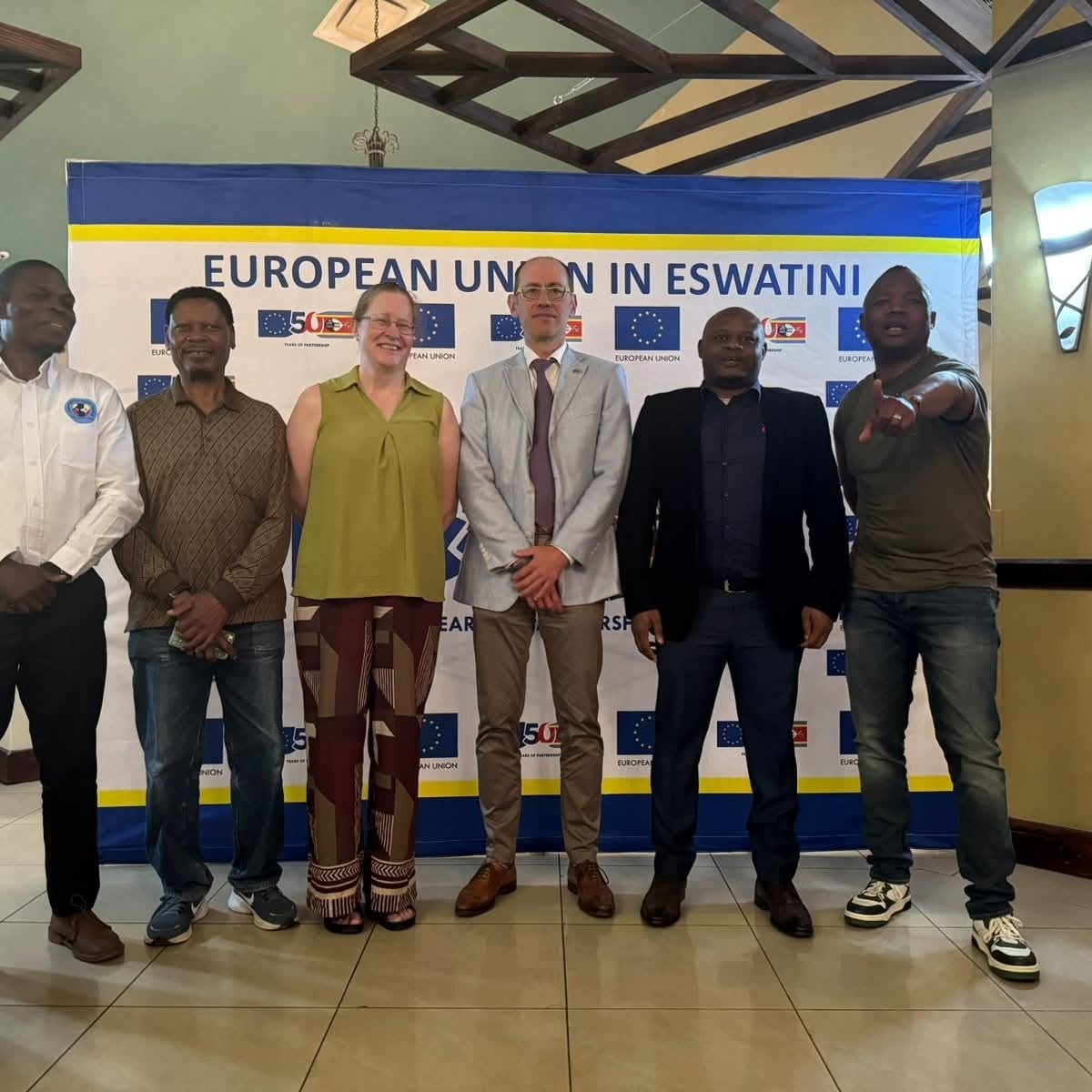
EU Supports Human Rights, Civic Space Workshop in Eswatini
The European Union (EU) recently reiterated its support for human rights and civic space initiatives in Eswatini during a workshop, an event that coincided with the country's 50th anniversary. This engagement signifies a continued international focus on the state of fundamental freedoms and governance within the kingdom, highlighting the ongoing dialogue between Eswatini and its international partners regarding human rights adherence and development.
This development holds significant legal implications for practitioners, businesses, and the public in Eswatini. The EU's consistent emphasis on human rights often translates into technical assistance, capacity building, and advocacy for legislative and policy reforms. For legal professionals, this means a potential for increased scrutiny on domestic laws and practices, particularly those affecting freedom of association, expression, and assembly. Businesses, especially those with international ties or commitments to corporate social responsibility, should be aware that a heightened focus on civic space can influence their operating environment, stakeholder engagement, and compliance with international human rights standards.
Eswatini's legal framework includes its 2005 Constitution, which enshrines a Bill of Rights. However, the practical application and enforcement of these rights, particularly concerning civic space, have been subjects of ongoing debate and international observation. Eswatini is also a signatory to various international human rights instruments, such as the African Charter on Human and Peoples' Rights. The EU's involvement typically aims to encourage alignment of national laws and practices with these constitutional and international obligations, often through diplomatic channels and development cooperation. The specific details of the workshop, including its organizers or participants beyond the EU, were not reported in the excerpt.
Key parties involved are primarily the European Union, acting as a significant international partner, and implicitly, the Government of Eswatini, as the sovereign state whose human rights record and civic space are the subject of these initiatives. Various local civic space initiatives and human rights organizations are also key, as they are often the direct beneficiaries or collaborators in such workshops, working to advance human rights on the ground. The outcome of this specific workshop, beyond the reiteration of support, was not detailed in the provided information.
Practitioners should closely monitor any legislative or policy developments stemming from such international engagements, particularly those impacting constitutional rights, administrative law, and the regulatory environment for non-governmental organizations. Attorneys advising businesses should assess potential risks related to human rights due diligence, labour practices, and community relations, ensuring compliance with both domestic law and evolving international expectations. Staying abreast of these discussions is crucial for anticipating legal reforms and advising clients effectively on navigating Eswatini's evolving human rights landscape.
How does this affect you?
Get an AI analysis of this article grounded in your jurisdictions, practice areas, and any policy documents you've uploaded to Wansom.
Finish Reading the Full Story and the Expert Analysis.
Wansom is AI and can make mistakes.