
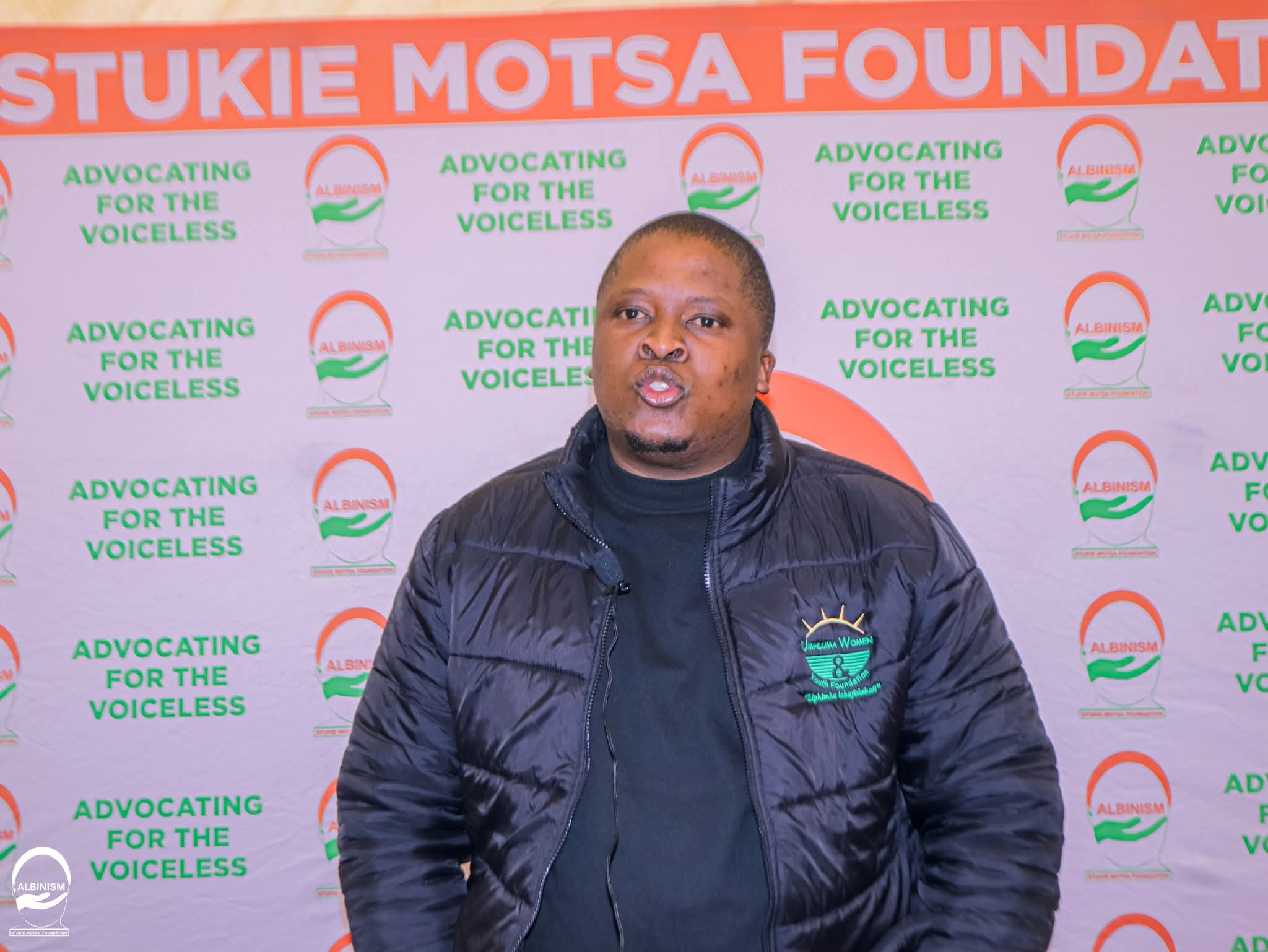
Eswatini Foundation Highlights Women's Rights, Widows' Protections
Lungelo Zulu, Director of the Umhluma Women and Youth Foundation, recently led sessions in Eswatini that specifically highlighted women's rights and protections for widows, with a central focus on advancing gender equity. This initiative underscores the ongoing efforts by civil society to educate and empower vulnerable groups within the kingdom regarding their legal entitlements.
This advocacy holds significant legal implications, particularly in a jurisdiction where customary law often intersects with statutory law, sometimes creating complexities for women and widows. By raising awareness, such sessions can empower individuals to assert their existing rights, challenge discriminatory practices, and advocate for necessary legal reforms. For legal practitioners, it signals a continued need to understand the nuances of both legal systems and how they apply to matters of marriage, inheritance, property rights, and personal status, especially for women and widows. It also highlights the societal demand for greater gender equity and protection against discrimination.
Eswatini's legal framework includes its 2005 Constitution, which contains provisions guaranteeing equality and non-discrimination. However, customary law, which is constitutionally recognized, often governs personal matters and can, in practice, lead to outcomes that disadvantage women and widows, particularly concerning inheritance and property ownership. Relevant statutes include the Marriage Act and the Administration of Estates Act, which may interact with customary practices. The work of organizations like the Umhluma Women and Youth Foundation often involves educating communities on the interplay between these legal systems and advocating for reforms that align customary practices with constitutional and international human rights standards, such as those found in the Convention on the Elimination of All Forms of Discrimination Against Women (CEDAW), to which Eswatini is a signatory.
Key parties involved in this initiative include Lungelo Zulu and the Umhluma Women and Youth Foundation, who are actively engaged in advocacy and education. Implicitly, the women and widows who participate in these sessions are also key parties, as they are the direct beneficiaries of the awareness and empowerment efforts. The broader legal system, including the courts and legislative bodies, are also indirectly involved as the ultimate arbiters and creators of the laws being discussed and advocated for.
Attorneys practicing in family law, inheritance, property law, and human rights in Eswatini must remain acutely aware of the specific legal challenges faced by women and widows. It is crucial to stay informed about ongoing advocacy efforts and potential legislative reforms aimed at strengthening these protections. Legal professionals should be prepared to advise clients on their rights under both statutory and customary law, and to advocate for the application of constitutional principles where conflicts arise, ensuring that women and widows receive equitable treatment and protection under the law. This also involves understanding the social context and the impact of traditional practices on legal outcomes.
How does this affect you?
Get an AI analysis of this article grounded in your jurisdictions, practice areas, and any policy documents you've uploaded to Wansom.
Finish Reading the Full Story and the Expert Analysis.
Wansom is AI and can make mistakes.