
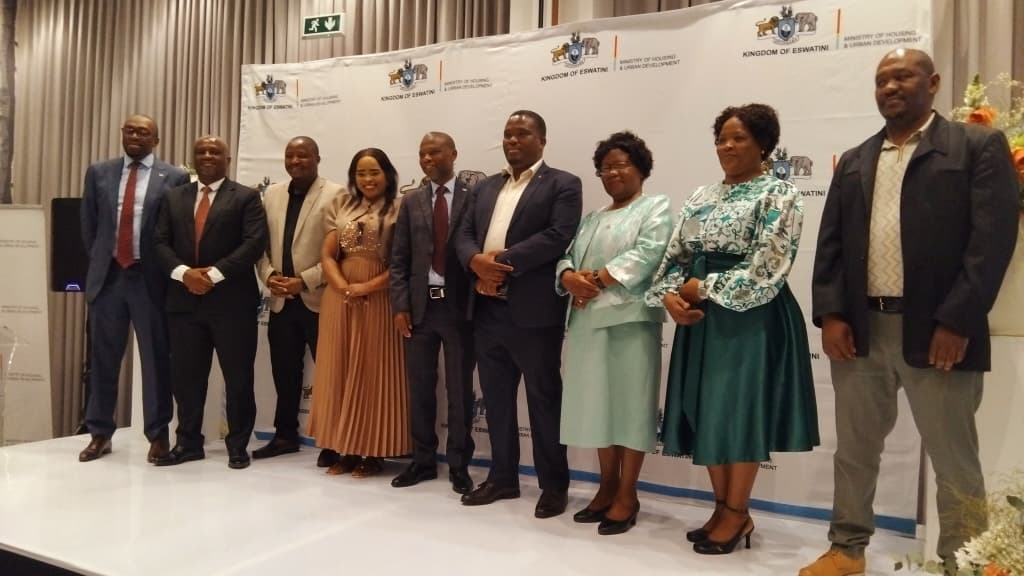
Minister Maphalala: Eswatini Urban Mandate Resource Gap Stalls Development
Summary
- Eswatini's urban authorities face a significant gap between their expanding responsibilities and limited financial resources, as stated by Minister Appolo Maphalala.
- Municipalities are increasingly expected to provide complex services including digital transformation, climate-resilient infrastructure, housing, and essential social services.
- These demands are met with persistent revenue shortfalls and limited traditional funding sources.
- The Eswatini urban mandate resource gap poses substantial challenges to urban development and service delivery.
- Lawyers advising on Eswatini urban projects should note these resource constraints, which may impact project timelines and require robust contractual planning.
Eswatini's Urban Development Dilemma
For legal professionals advising clients on urban development, infrastructure projects, or public service contracts within Eswatini, this context is crucial.
Eswatini's urban authorities are grappling with a significant disparity between their expanding responsibilities and the financial means available to fulfill them, a situation highlighted by the Minister of Housing and Urban Development, Hon. Appolo Maphalala. This critical Eswatini urban mandate resource gap poses substantial challenges to the nation's progress in urban development and service delivery.
Minister Maphalala underscored that municipalities across the country are increasingly burdened with providing a complex array of services. These new demands extend far beyond traditional municipal functions, encompassing areas that require substantial investment and specialized expertise, yet are met with persistent Eswatini municipalities funding challenges.
Expanding Mandates and Complex Demands
The scope of services now expected from Eswatini's urban centers is broad and intricate. These include the implementation of digital transformation initiatives, which necessitate significant technological infrastructure and skilled personnel. Furthermore, there is a growing imperative for the development of climate-resilient infrastructure, designed to withstand the impacts of environmental changes and ensure long-term sustainability for urban populations.
Beyond infrastructure, municipalities are also tasked with addressing fundamental social needs, such as providing adequate housing and delivering essential social services to their residents. These expanding mandates place immense pressure on Eswatini local government resource constraints, making it difficult for authorities to keep pace with the evolving requirements of modern urban living.
Persistent Financial Shortfalls
A primary driver of this mandate-resource imbalance is the consistent revenue shortfalls experienced by urban authorities. Traditional funding mechanisms and revenue streams have proven insufficient to support the escalating costs associated with complex service provision and infrastructure development. This limitation on traditional funding sources exacerbates the Eswatini municipalities funding challenges, creating a cycle where ambitious development goals are hampered by financial realities.
These financial limitations mean that even critical projects, such as those related to Eswatini housing infrastructure funding or the development of robust Eswatini climate resilient infrastructure, face significant hurdles. The inability to secure adequate and consistent funding directly impacts the capacity of urban authorities to execute their duties effectively and meet the growing expectations of their constituents.
Implications for Urban Progress
The pronounced Eswatini urban mandate resource gap carries profound implications for the nation's overall urban progress and the quality of life for its citizens. Without sufficient financial backing, the ability of urban authorities to deliver on essential services, maintain existing infrastructure, and invest in future-proof solutions is severely compromised. This situation can lead to delays in critical projects, diminished service quality, and a slower pace of urban modernization.
For legal professionals advising clients on urban development, infrastructure projects, or public service contracts within Eswatini, this context is crucial. The significant resource constraints faced by urban authorities signal potential delays in project approvals, service delivery, or enforcement actions. Consequently, robust contractual provisions and thorough due diligence regarding municipal capacity and funding are essential to mitigate risks and ensure successful project outcomes in this challenging environment.
Practical Implications
Lawyers advising clients on urban development, infrastructure, or public service contracts in Eswatini should note the significant resource constraints faced by urban authorities. This signals potential delays in project approvals, service delivery, or enforcement actions, and highlights the need for robust contractual provisions and due diligence regarding municipal capacity and funding.
Source
How does this affect you?
Get an AI analysis of this article grounded in your jurisdictions, practice areas, and any policy documents you've uploaded to Wansom.
Finish Reading the Full Story and the Expert Analysis.
Get the latest legal & regulatory intelligence in Eswatini
Wansom is AI and can make mistakes.