
Eswatini: Standardized School Fees Recommendation Submitted to Minister
Summary
- Public schools in Eswatini may soon implement standardized fees for secondary education.
- An education review committee formally recommended a uniform fee structure in its final report.
- The Minister for Education and Training, Owen Nxumalo, has received this report for official consideration.
- This proposal could lead to significant changes in Eswatini public school fee regulation.
Proposed Fee Standardization
Should the Eswatini standardized school fees recommendation be adopted, it would usher in significant changes for public schools across the kingdom.
The prospect of uniform school fees for public educational institutions in Eswatini is emerging following a significant recommendation. A specialized education review body has formally proposed the implementation of a single, consistent fee structure specifically for secondary education across the nation. This Eswatini standardized school fees recommendation aims to introduce a new level of consistency in financial contributions required from students and their families attending public schools.
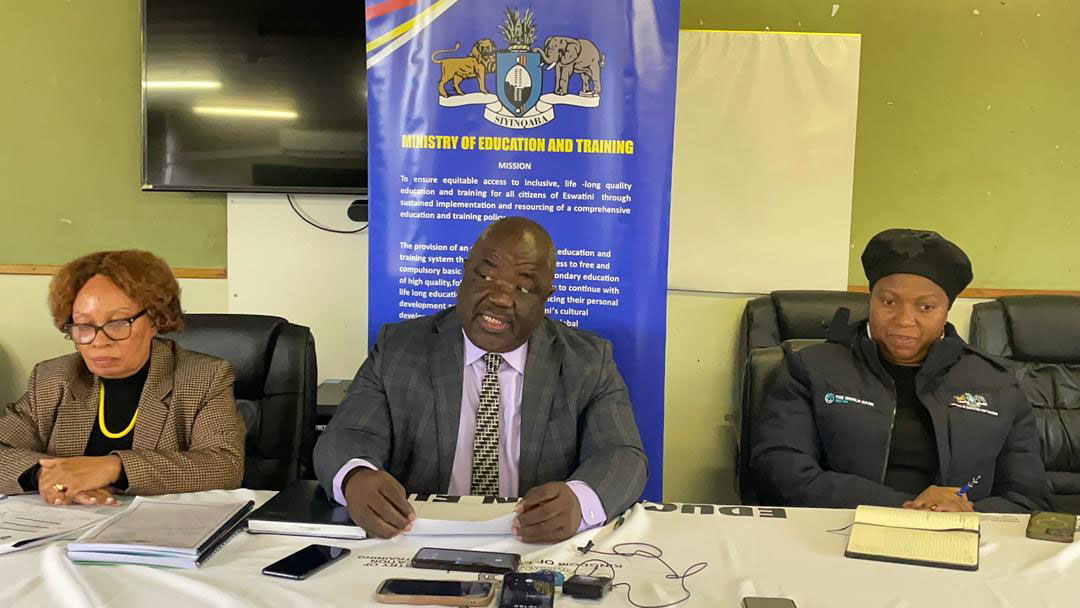
This pivotal recommendation is detailed within the final report compiled by the Eswatini Education Training Skills Development Committee. The comprehensive document, outlining the committee's findings and proposals, has now been officially submitted to and received by the Minister for Education and Training, Owen Nxumalo. The receipt of this report by Minister Owen Nxumalo school fees indicates that the proposal is now under official consideration at the highest levels of the education ministry, potentially paving the way for substantial Eswatini public school fee regulation.
Context of Education Reform
The initiative to standardize fees forms part of a broader effort towards Eswatini education policy reform, reflecting a potential shift in how public education is financed and managed. The Eswatini Education Training Skills Development Committee was tasked with reviewing various aspects of the educational landscape, culminating in this key proposal. Their work underscores a commitment to evaluating and potentially overhauling existing frameworks to enhance the educational experience and accessibility for students throughout the country.
The committee's mandate likely involved assessing current disparities and challenges within the educational system, particularly concerning financial accessibility. By recommending a uniform amount for Eswatini secondary education fees, the committee is addressing concerns about varying costs that might currently exist between different public schools. This move could signify a strategic step towards greater equity in access to secondary education, ensuring that financial burdens are consistent for all families whose children attend public institutions.
Implications for Public Schools
Should the Eswatini standardized school fees recommendation be adopted, it would usher in significant changes for public schools across the kingdom. The move from potentially varied fee structures to a singular, uniform amount would necessitate considerable adjustments in financial planning and administration at the institutional level. This prospective Eswatini public school fee regulation would require schools to align their budgetary practices with the new standardized framework, potentially impacting their operational autonomy regarding fee collection.
The formal reception of the report by Minister Owen Nxumalo school fees signals that these proposed Eswatini school governance changes are now on the official agenda. Educational institutions, particularly those in the public sector, will need to closely monitor the progression of this recommendation through the governmental process. Its eventual implementation could lead to new compliance obligations and a re-evaluation of existing financial policies, making preparation for such regulatory shifts a prudent measure for school administrators and legal advisors alike. The recommendation represents a foundational step toward a more unified approach to secondary education funding.
Practical Implications
Lawyers advising educational institutions in Eswatini should monitor the progress of this recommendation, as its adoption could necessitate significant changes to school fee structures and compliance policies for public schools. This signals potential future regulatory changes requiring preparation for new compliance obligations.
Source
How does this affect you?
Get an AI analysis of this article grounded in your jurisdictions, practice areas, and any policy documents you've uploaded to Wansom.
Finish this article free. Just your email for instant unlock.
Wansom is AI and can make mistakes.