
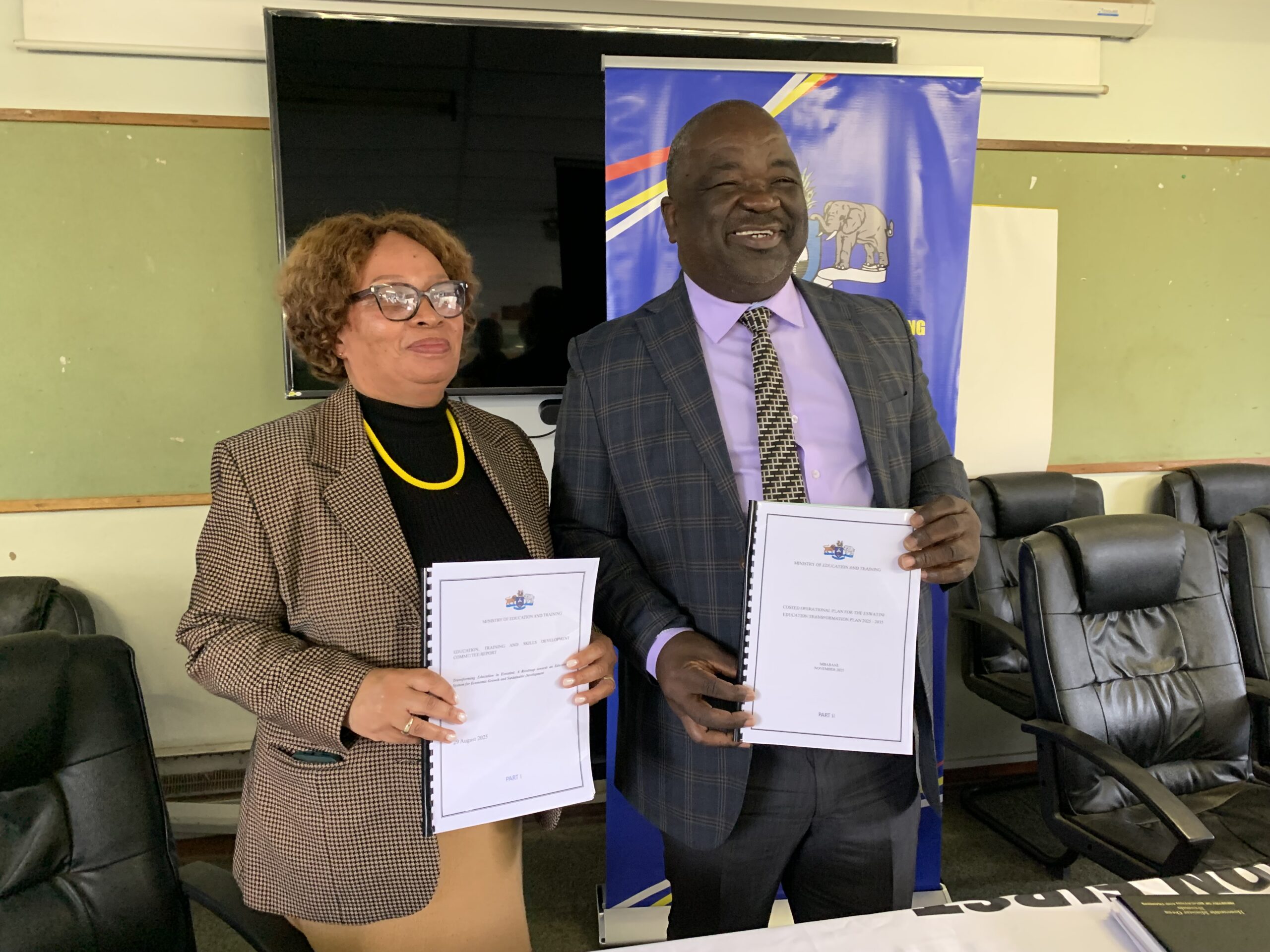
Eswatini: Education Committee Decommissioned, Nxumalo Receives Report
Summary
- Eswatini's Education, Training and Skills Development Committee has been formally decommissioned.
- The committee completed its mandate to review the national education system and propose reforms.
- Minister for Education and Training Owen Nxumalo officially ended the committee's work after receiving its final report.
- The committee operated for nearly two years before submitting its comprehensive findings.
- The final report is expected to guide future Eswatini education system reforms and may introduce new regulatory requirements.
Key Development in Eswatini's Education Sector
Lawyers and compliance officers advising educational institutions or businesses operating within Eswatini's education sector should monitor for the public release and subsequent implementation of reforms proposed in the committee's final report, as these could introduce new regulatory requirements or compliance obligations.
The Education, Training and Skills Development Committee, a body tasked with a comprehensive review of Eswatini's educational landscape, has officially concluded its operations. This significant development marks the formal decommissioning of the committee, signaling the completion of its extensive mandate. The closure of the committee's work was personally overseen by Minister for Education and Training, Owen Nxumalo, who formally brought its tenure to an end.
Committee's Mandate and Duration
Established with a clear and vital purpose, the Education, Training and Skills Development Committee was charged with undertaking a thorough examination of the various challenges confronting Eswatini’s education and training system. Its core objective was to identify systemic issues and subsequently formulate actionable proposals for reform. This comprehensive Eswatini national education review aimed to lay the groundwork for substantial improvements across the sector.
The committee diligently pursued its mandate for a period spanning nearly two years. Throughout this time, it was dedicated to understanding the intricacies of the national education system, from primary schooling to vocational training and skills development. The final report, now in the hands of Minister Owen Nxumalo, represents the synthesis of this extensive investigative and analytical work, offering a strategic blueprint for future educational policy.
Implications for Future Educational Reforms
The submission of the Owen Nxumalo education report Eswatini is poised to be a foundational document for upcoming reforms within the country's educational framework. With the committee now officially decommissioned, attention will inevitably shift to the specific contents of this final report and the subsequent steps the Ministry of Education and Training will take to address its findings. The proposed reforms could encompass a wide array of areas, from curriculum adjustments and teacher training programs to pedagogical methods and institutional restructuring, all aimed at enhancing the overall quality and accessibility of education and skills development across Eswatini. This comprehensive review is expected to guide policy decisions that will shape the nation's human capital development.
For stakeholders both within and outside the educational sphere, particularly those involved in legal and compliance roles, the public release and eventual implementation of these recommendations will be crucial. Lawyers and compliance officers advising educational institutions or businesses operating within Eswatini's education sector should monitor for the public release and subsequent implementation of reforms proposed in the committee's final report, as these could introduce new regulatory requirements or compliance obligations. The Eswatini education system reforms outlined in the report are anticipated to significantly influence the sector for years to come, necessitating careful attention from all relevant parties to ensure adherence and strategic adaptation.
Practical Implications
Lawyers and compliance officers advising educational institutions or businesses operating within Eswatini's education sector should monitor for the public release and subsequent implementation of reforms proposed in the committee's final report, as these could introduce new regulatory requirements or compliance obligations.
Source
How does this affect you?
Get an AI analysis of this article grounded in your jurisdictions, practice areas, and any policy documents you've uploaded to Wansom.
Finish this article free. Just your email for instant unlock.
Wansom is AI and can make mistakes.