
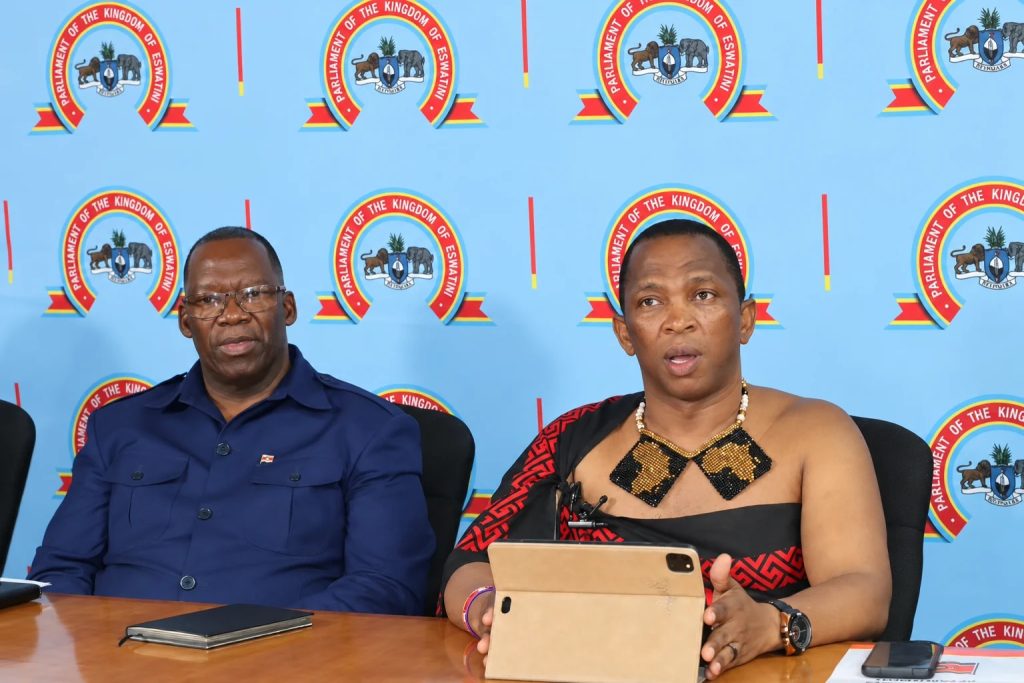
Eswatini Speaker Urges Stronger Efforts to End Child Marriage
Speaker of the House of Assembly Jabulani Mabuza called for stronger efforts to end child marriage in Eswatini during a press conference in Parliament on November 19, 2026, emphasising that children should not be deprived of their childhood by being forced into marriage before reaching adulthood.
This statement from a high-ranking legislative official underscores a significant political and social commitment within Eswatini to address the pervasive issue of child marriage. It signals a potential for legislative reform or more stringent enforcement of existing laws related to the age of consent, marriage, and child protection. For legal practitioners, this indicates a growing focus on children's rights and a likely increase in legal challenges or policy changes aimed at safeguarding minors from early marriage, reflecting a broader societal shift towards protecting the welfare of children.
Eswatini's legal framework regarding marriage and children's rights is complex, involving customary law, common law, and statutory law. While the country has ratified international instruments like the Convention on the Rights of the Child (CRC) and the African Charter on the Rights and Welfare of the Child (ACRWC), which set the minimum age for marriage at 18, domestic laws, particularly customary law, have historically allowed for marriages at younger ages. The Marriage Act of 1964 sets the minimum age for civil marriage at 18 for males and 16 for females, with parental consent required for minors. The Speaker's remarks suggest a push towards harmonising domestic law with international standards and strengthening the enforcement mechanisms to prevent child marriage, potentially through amendments to the Marriage Act or the enactment of new child protection legislation.
The key parties involved are Speaker of the House of Assembly Jabulani Mabuza and the Eswatini Parliament, who are driving this advocacy. Implicitly, various government ministries such as the Ministry of Justice and Constitutional Affairs, the Ministry of Social Development, civil society organisations, and traditional authorities will be involved in the implementation and enforcement of any new policies or laws. The children of Eswatini, particularly girls, are the primary beneficiaries of these efforts.
Attorneys practicing family law, human rights law, or child protection in Eswatini should anticipate increased scrutiny of marriage practices involving minors and potential legislative changes aimed at raising the minimum age of marriage or strengthening penalties for those facilitating child marriages. They should advise clients, including families and community leaders, on the evolving legal landscape and the importance of adhering to international and domestic standards protecting children's rights. Monitoring parliamentary discussions and proposed legislation on this issue will be crucial for staying abreast of developments and ensuring compliance with the country's commitment to ending child marriage.
How does this affect you?
Get an AI analysis of this article grounded in your jurisdictions, practice areas, and any policy documents you've uploaded to Wansom.
Finish Reading the Full Story and the Expert Analysis.
Get the latest legal & regulatory intelligence in Eswatini
Wansom is AI and can make mistakes.