
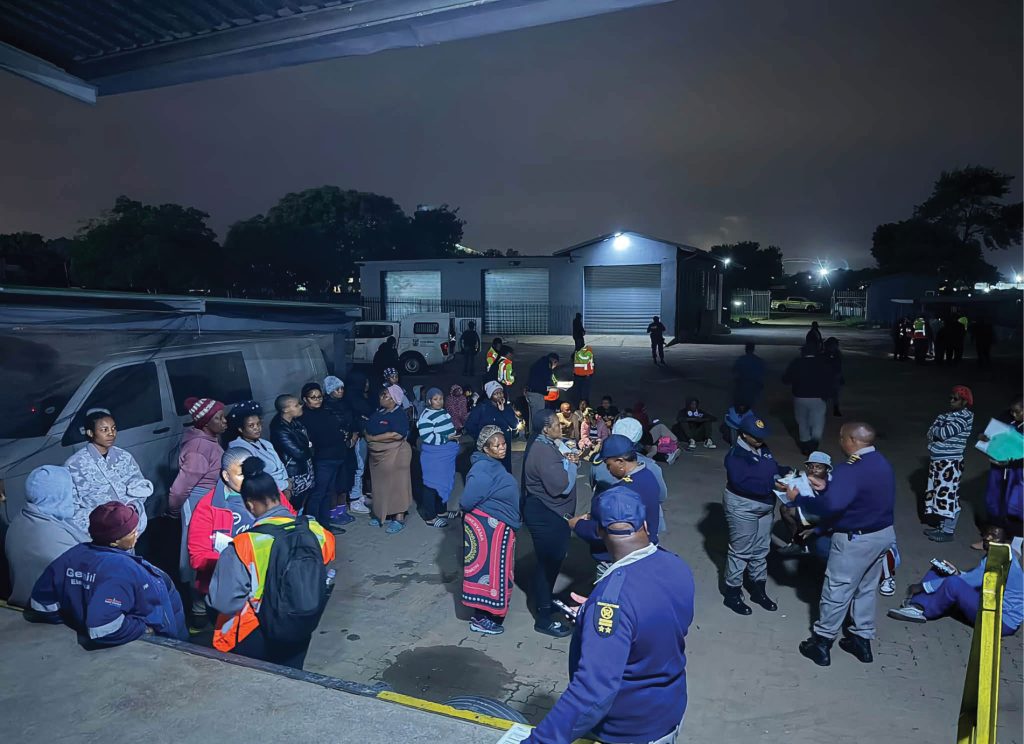
Eswatini Foreign Ministry: Investigates Emaswati Arrests in South Africa
Summary
- Sixteen Emaswati nationals were arrested during a night-time crackdown on textile factories in Newcastle, KwaZulu-Natal, South Africa.
- Eswatini's Ministry of Foreign Affairs and International Cooperation announced it would investigate the incident.
- Sikhumbuzo Bhembe, the ministry's Communications Officer, confirmed the investigation.
- The Eswatini embassy in South Africa is tasked with establishing the circumstances surrounding the arrests.
What Happened
This proactive engagement highlights Eswatini's dedication to the welfare of its nationals abroad and its commitment to ensuring due process.
Sixteen Emaswati nationals were recently taken into custody during a targeted operation in South Africa. The arrests took place overnight as authorities conducted a crackdown on textile manufacturing facilities located in Newcastle, within the KwaZulu-Natal province. This incident has drawn immediate attention from Eswatini's diplomatic channels.
The precise details surrounding the reasons for these detentions have not yet been fully disclosed. The operation specifically focused on textile factories, suggesting a potential link to labor or immigration compliance within this industrial sector. The nighttime timing of the crackdown indicates a deliberate and coordinated enforcement action by South African authorities.
Eswatini's Diplomatic Response
In response to the arrests, Eswatini's Ministry of Foreign Affairs and International Cooperation has publicly committed to launching a full investigation. Sikhumbuzo Bhembe, who serves as the Communications Officer for the ministry, confirmed this official stance, emphasizing the government's intent to understand the situation thoroughly.
As part of this diplomatic effort, the Eswatini embassy situated in South Africa has been tasked with a critical role. The embassy is actively working to ascertain the complete circumstances that led to the apprehension of its citizens. This proactive engagement highlights Eswatini's dedication to the welfare of its nationals abroad and its commitment to ensuring due process.
Context of Cross-Border Labor
The detention of Emaswati nationals in South Africa's textile sector underscores the broader dynamics of cross-border labor within the Southern African region. Many individuals from Eswatini seek employment opportunities in neighboring South Africa, with various industries, including manufacturing, often attracting migrant workers. Such incidents, while specific in their details, frequently bring to light the complex legal and social challenges faced by foreign nationals working outside their home countries.
The textile industry in particular has, at times, been subject to scrutiny regarding labor practices and the employment of foreign workers. Crackdowns like the one in Newcastle can be indicative of heightened enforcement efforts by South African authorities aimed at ensuring compliance with immigration regulations and labor laws. This context makes the Eswatini foreign ministry's investigation particularly pertinent for understanding the environment in which its citizens operate.
Why It Matters
The ongoing investigation by Eswatini's foreign ministry into the arrests of its citizens in KwaZulu-Natal carries significant implications for the detained individuals and the wider Emaswati community residing in South Africa. The outcome of the embassy's efforts to establish the facts will be crucial in determining the next steps, which could range from legal assistance to diplomatic intervention.
This situation highlights the importance of consular support for citizens facing legal challenges in foreign jurisdictions. Eswatini's commitment to investigating these arrests signals a clear message regarding the protection of its nationals, reinforcing the expectation that their rights will be respected and that due process will be followed by South African authorities. The incident serves as a reminder of the vulnerabilities faced by migrant workers and the essential role of diplomatic channels in addressing such concerns.
Practical Implications
Lawyers advising Eswatini nationals working in South Africa, particularly in the textile sector, should monitor the outcome of this investigation for potential implications regarding migrant worker rights, immigration enforcement practices, and the availability of consular assistance or legal aid for those detained. Compliance officers in South African factories employing foreign nationals should review their hiring and documentation processes to ensure full compliance with immigration and labor laws, especially in light of increased enforcement.
Source
Source: Information from recent reports.
How does this affect you?
Get an AI analysis of this article grounded in your jurisdictions, practice areas, and any policy documents you've uploaded to Wansom.
Finish Reading the Full Story and the Expert Analysis.
Get the latest legal & regulatory intelligence in Eswatini
Wansom is AI and can make mistakes.