
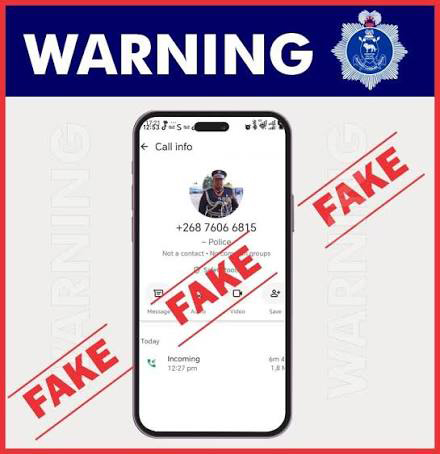
Eswatini: Sophisticated Online Scams Surge, Targeting WhatsApp & Mobile Money
Summary
- Online scams in Eswatini are becoming increasingly sophisticated, targeting individuals through various digital platforms.
- Criminals exploit WhatsApp, social media, mobile money, and online banking to conduct their fraudulent activities.
- Scams often involve genuine-looking messages, familiar profile pictures, professional-sounding callers, and offers that appear too good to ignore.
- Victims frequently lose their money quickly due to these deceptive tactics.
- Lawyers and compliance officers in Eswatini must update fraud prevention policies and employee training to combat these advanced social engineering scams.
The Escalating Threat of Digital Fraud in Eswatini
The offers presented by these criminals are typically crafted to appear exceptionally appealing, making them difficult for victims to resist or question.
Eswatini is currently grappling with a significant surge in highly sophisticated online scams, posing a growing threat to individuals and organizations alike. These fraudulent schemes are no longer simple phishing attempts but intricate operations designed to deceive victims through various digital channels. The increasing complexity of these scams necessitates a robust and proactive approach to digital security and awareness across the nation.
Criminals are adept at exploiting a range of popular platforms to execute their illicit activities. These include widely used communication apps like WhatsApp, various social media platforms, mobile money services, and even online banking systems. The pervasive nature of these digital tools makes them fertile ground for fraudsters seeking to ensnare unsuspecting targets, highlighting a critical vulnerability in the digital landscape of Eswatini.
Sophisticated Tactics Employed by Fraudsters
The hallmark of these advanced digital fraud operations in Eswatini is their reliance on social engineering and psychological manipulation. Scammers meticulously craft their approaches to appear legitimate and trustworthy, often leveraging personal connections or professional guises. This can manifest as messages that seem entirely authentic, designed to bypass initial suspicion and encourage engagement from the recipient.
Further enhancing their deceptive strategies, fraudsters frequently utilize profile pictures that belong to individuals known to the victim, creating a false sense of familiarity and trust. Callers involved in these schemes often adopt a professional demeanor, lending credibility to their fraudulent propositions. Moreover, the offers presented by these criminals are typically crafted to appear exceptionally appealing, making them difficult for victims to resist or question. This combination of seemingly genuine communication, familiar identities, and irresistible offers often leads to victims making hasty decisions, resulting in the rapid loss of their funds before they can fully comprehend the deception.
Imperative for Enhanced Vigilance and Prevention
The escalating sophistication of these online scams in Eswatini underscores an urgent need for heightened vigilance and updated preventative measures. The speed with which victims' money disappears after falling prey to these schemes highlights the effectiveness of the fraudsters' tactics and the lack of immediate safeguards.
In response to this evolving threat, legal professionals and compliance officers within Eswatini bear a crucial responsibility. They must thoroughly review and update their clients' or their own organizations' fraud prevention policies. Furthermore, it is imperative to implement and regularly refresh employee training programs specifically designed to counter the escalating sophistication of online scams, particularly those that leverage social engineering tactics across prevalent digital platforms such as WhatsApp and mobile money services. Proactive Eswatini cybercrime prevention strategies are essential to mitigate the risks posed by this pervasive digital fraud.
Practical Implications
Lawyers and compliance officers in Eswatini should review and update their clients' or organisations' fraud prevention policies and employee training programs to counter the escalating sophistication of online scams, particularly those leveraging social engineering tactics across digital platforms like WhatsApp and mobile money.
Source
How does this affect you?
Get an AI analysis of this article grounded in your jurisdictions, practice areas, and any policy documents you've uploaded to Wansom.
Finish Reading the Full Story and the Expert Analysis.
Wansom is AI and can make mistakes.