
Eswatini SMEs Tax Clearance Validity: Push for Longer Periods
Summary
- Eswatini's small business sector is advocating for longer Tax Clearance Certificate validity periods.
- SMEs report that short validity periods for these certificates create unnecessary costs and operational delays.
- The Eswatini Revenue Service (ERS) has launched a nationwide initiative to bring taxpayer support closer to businesses.
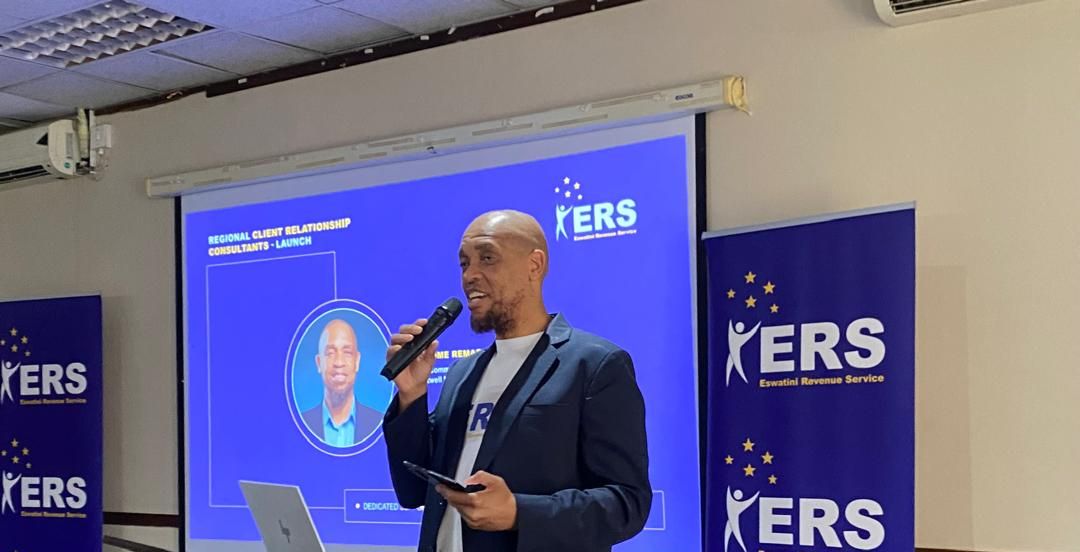
- The call for changes was made during the launch of the ERS Regional Client initiative in Manzini.
- The small business community seeks reforms to ERS tax administration rules to reduce compliance burdens.
Eswatini SMEs Push for Tax Clearance Reform
The small business sector in Eswatini is actively advocating for significant changes to the nation's tax administration rules, specifically targeting the duration of Tax Clearance Certificates (TCCs).
The small business sector in Eswatini is actively advocating for significant changes to the nation's tax administration rules, specifically targeting the duration of Tax Clearance Certificates (TCCs). Representatives of Eswatini's small and medium-sized enterprises (SMEs) argue that the current, short validity periods for these essential certificates impose undue financial burdens and operational delays on their businesses. This call for reform underscores a growing concern within the entrepreneurial community regarding the efficiency and cost-effectiveness of existing ERS tax administration rules.
This push for longer Eswatini SMEs tax clearance validity periods emerged during a key event in Manzini: the launch of a new Eswatini Revenue Service (ERS) initiative. The ERS, the country's primary tax authority, has embarked on a nationwide program designed to decentralize taxpayer support services. This initiative aims to bring the ERS closer to businesses across various regions, ostensibly to enhance accessibility and streamline interactions for taxpayers. However, even as the ERS seeks to improve service delivery, the underlying administrative challenges posed by current TCC policies remain a prominent issue for the small business community.
The Burden of Short Validity Periods
The core of the SMEs' grievance lies in the perceived brevity of the validity period for the Tax Clearance Certificate Eswatini. For many small businesses, maintaining an up-to-date TCC is a prerequisite for engaging in various commercial activities, including bidding for contracts, accessing financing, and even participating in certain supply chains. A short validity period necessitates frequent renewal applications, which can consume valuable time and resources that could otherwise be directed towards business growth and operations.
These repeated administrative processes contribute to what the small business sector describes as unnecessary costs and delays. Each renewal cycle can involve compiling documentation, submitting applications, and potentially waiting for processing, all of which divert attention and capital. This administrative overhead disproportionately affects smaller enterprises with limited human resources and tighter budgets, making SME tax compliance Eswatini a more arduous task than it might otherwise be. The advocacy from the small business community highlights a desire for a more streamlined and less burdensome approach to tax administration.
ERS Outreach Amidst Calls for Change
While the Eswatini Revenue Service is making efforts to enhance its accessibility through regional client initiatives, the simultaneous demand for changes to ERS tax administration rules, particularly concerning TCC validity, presents a dual challenge. The ERS's nationwide program to bring taxpayer support closer to businesses is a positive step towards improving engagement and providing direct assistance. This initiative, launched in Manzini, signifies a commitment to better serve the taxpayer base, including the crucial small business sector.
However, the effectiveness of such outreach efforts could be significantly amplified if coupled with substantive policy adjustments that address the root causes of taxpayer frustration. The small business sector's call for extended Eswatini SMEs tax clearance validity periods suggests that while improved access to services is welcome, fundamental changes to the regulatory framework are also necessary to truly alleviate the compliance burden and foster a more conducive environment for Eswatini small business tax adherence and growth.
Why This Matters for Eswatini's Economy
The ongoing dialogue between Eswatini's small business sector and the Eswatini Revenue Service regarding Tax Clearance Certificate validity periods has significant implications for the nation's economic landscape. SMEs are often considered the backbone of an economy, driving innovation, creating jobs, and contributing substantially to the gross domestic product. When these businesses face undue administrative hurdles, their capacity for growth and expansion can be stifled, potentially impacting overall economic vitality.
Addressing the concerns around Eswatini SMEs tax clearance validity could lead to a more efficient and supportive regulatory environment, encouraging greater SME tax compliance Eswatini and reducing the informal economy. A more business-friendly tax administration, characterized by practical and less frequent compliance requirements, could empower small businesses to thrive. This development signals a potential shift in tax administration that could impact client operational costs and compliance strategies for businesses across the country.
Practical Implications
Lawyers advising SMEs in Eswatini should monitor for potential amendments to Tax Clearance Certificate validity periods or ERS administrative procedures, as the small business sector is actively advocating for changes to reduce compliance burdens. This development signals a potential shift in tax administration that could impact client operational costs and compliance strategies.
Source
How does this affect you?
Get an AI analysis of this article grounded in your jurisdictions, practice areas, and any policy documents you've uploaded to Wansom.
Finish Reading the Full Story and the Expert Analysis.
Get the latest legal & regulatory intelligence in Eswatini
Wansom is AI and can make mistakes.