
Eswatini Railways Demands Crackdown On Scrapyards To Curb Vandalism
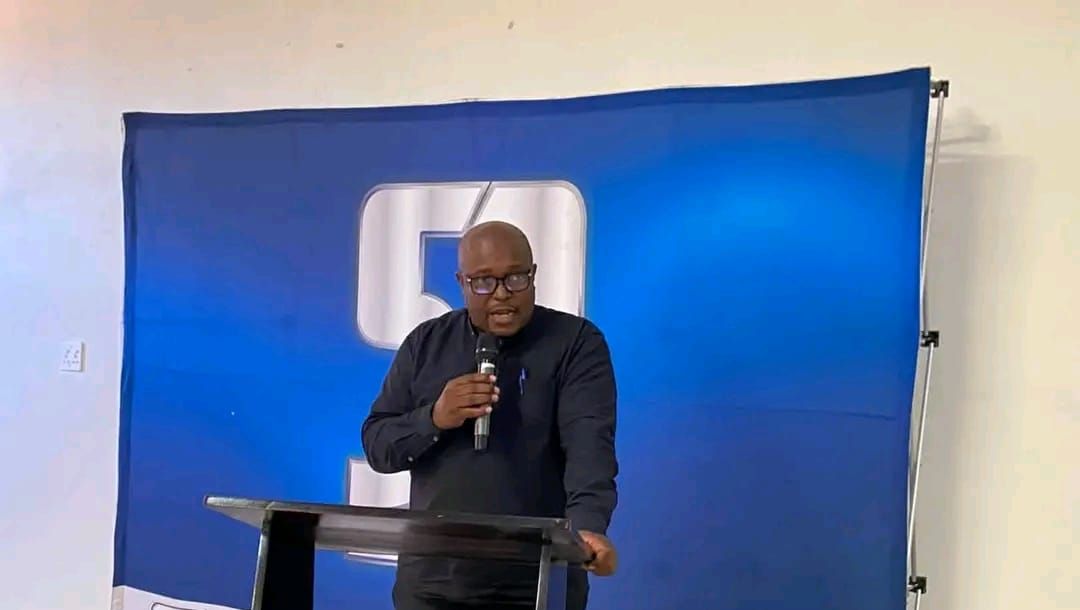
Eswatini Railways, in Eswatini, on October 12, 2026, called for stricter monitoring of scrapyard owners to combat the trade in suspected stolen railway materials, highlighting concerns about national infrastructure security and the economic costs of vandalism during the launch of Railway Safety Week at The George Hotel.
This demand signals a potential shift towards increased regulatory scrutiny and enforcement within the scrap metal industry in Eswatini, which could significantly impact businesses involved in metal recycling and trade. For practitioners, this indicates a heightened focus by authorities on protecting critical national infrastructure, a development with broader implications for national security, economic stability, and the operational integrity of essential services. The call suggests that existing measures may be deemed insufficient, potentially leading to new legislative proposals or more stringent application of current laws.
The legal context for such a crackdown would primarily involve Eswatini's criminal statutes related to theft, possession of stolen property, and potentially specific legislation governing critical national infrastructure or the scrap metal industry. The Eswatini police force would be central to enforcement, with cases being adjudicated in the country's Magistrate's Courts, High Court, and potentially the Supreme Court. Regulatory bodies, likely including the Ministry of Public Works and Transport and the Ministry of Commerce, Industry and Trade, would play a crucial role in implementing any new policies or amendments to business licensing laws for scrapyards. The outcome of this matter, specifically regarding any new regulations or enforcement actions, is not yet reported.
Key parties involved include Eswatini Railways, a parastatal responsible for the nation's rail infrastructure, and scrapyard owners, who are the direct target of the proposed monitoring. The Eswatini government, through its various ministries and law enforcement agencies, is also a central player. The broader public, as users of the railway system and taxpayers bearing the cost of vandalism, are indirectly involved. The event itself was the launch of Railway Safety Week, indicating a broader campaign for safety and security.
Attorneys advising businesses in the scrap metal industry in Eswatini should proactively prepare for increased regulatory oversight, potential new licensing requirements, and stricter enforcement of laws against handling stolen goods. Businesses involved in infrastructure development or maintenance should review their security protocols and engage with relevant authorities on measures to prevent theft and vandalism. Legal professionals should closely monitor any proposed legislative changes or policy shifts regarding critical infrastructure protection and the scrap metal trade, as these will directly influence compliance obligations and potential liabilities for their clients.
How does this affect you?
Get an AI analysis of this article grounded in your jurisdictions, practice areas, and any policy documents you've uploaded to Wansom.
Finish Reading the Full Story and the Expert Analysis.
Get the latest legal & regulatory intelligence in Eswatini
Wansom is AI and can make mistakes.