
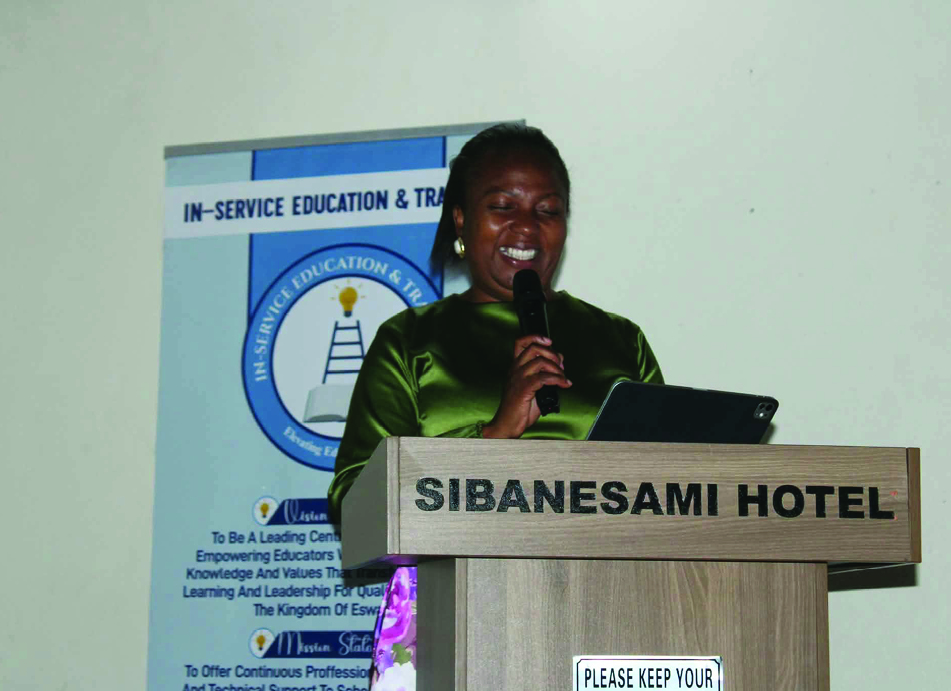
Eswatini: Pupil Vulnerability Certificates to Streamline Aid
Summary
- Eswatini is introducing vulnerability certificates for pupils in Grade VII.
- These certificates aim to simplify access to government support for students transitioning to high school.
- The initiative was announced by Naniki Mnisi, Principal Secretary of the Ministry of Education and Training.
- The program seeks to confirm a student's vulnerable status early to ensure smoother educational progression.
New Aid for Eswatini's Vulnerable Students
Legal professionals advising these entities or individuals will need to closely monitor the specific criteria established for determining vulnerability and the procedural requirements for obtaining these certificates.
Eswatini is set to introduce a new system designed to streamline government assistance for vulnerable pupils transitioning from primary to secondary education. This initiative involves the issuance of specialized certificates intended to confirm a student's vulnerable status while they are still in Grade VII, thereby facilitating their access to crucial support.
The primary objective of these certificates is to ensure that eligible students receive the necessary government aid without undue delay or bureaucratic hurdles as they progress to high school. This proactive approach aims to identify and certify vulnerability early, ensuring a smoother educational journey for those most in need within the Eswatini school system.
The Vulnerability Certificate Program
The proposed certificates are a key component of a broader strategy to support vulnerable children across the nation. According to Naniki Mnisi, the Principal Secretary (PS) of the Ministry of Education and Training, these documents will serve as official proof of a student's vulnerable status.
By providing this certification during Grade VII, the Ministry aims to preempt potential difficulties that vulnerable children might face in accessing ongoing support. This measure is specifically designed to simplify the process of obtaining government assistance, ensuring that the transition to high school is not hindered by administrative complexities related to proving vulnerability.
Legal and Social Implications
The introduction of Eswatini pupil vulnerability certificates carries significant implications for various stakeholders, including non-governmental organizations, social welfare groups, and the families of affected children. Legal professionals advising these entities or individuals will need to closely monitor the specific criteria established for determining vulnerability and the procedural requirements for obtaining these certificates.
Understanding the implementation details and the scope of support linked to these certificates will be crucial. Lawyers may be called upon to provide guidance on application processes, assist with appeals in cases of denied certification, or challenge the adequacy of the support provided. This policy shift could redefine eligibility for existing government aid programs, necessitating a thorough review of how vulnerable children government aid Eswatini is accessed and distributed, particularly for Grade VII pupil support Eswatini.
Practical Implications
Lawyers advising NGOs, social welfare organizations, or families of vulnerable children in Eswatini should monitor the implementation details and criteria for these new vulnerability certificates. This policy change could impact eligibility for government support, requiring legal guidance on application processes, appeals for denied certificates, or challenges to the scope of support provided.
Source
How does this affect you?
Get an AI analysis of this article grounded in your jurisdictions, practice areas, and any policy documents you've uploaded to Wansom.
Wansom is AI and can make mistakes.