
Eswatini Psychiatric Orderlies Unpaid Overtime: Go-Slow Halts Night Shifts
Summary
- Orderlies at Eswatini's National Psychiatric Referral Hospital have stopped reporting for night duty.
- This "go-slow" action is due to unpaid overtime from July and August.
- The workers formally notified hospital administration of their decision last Friday.
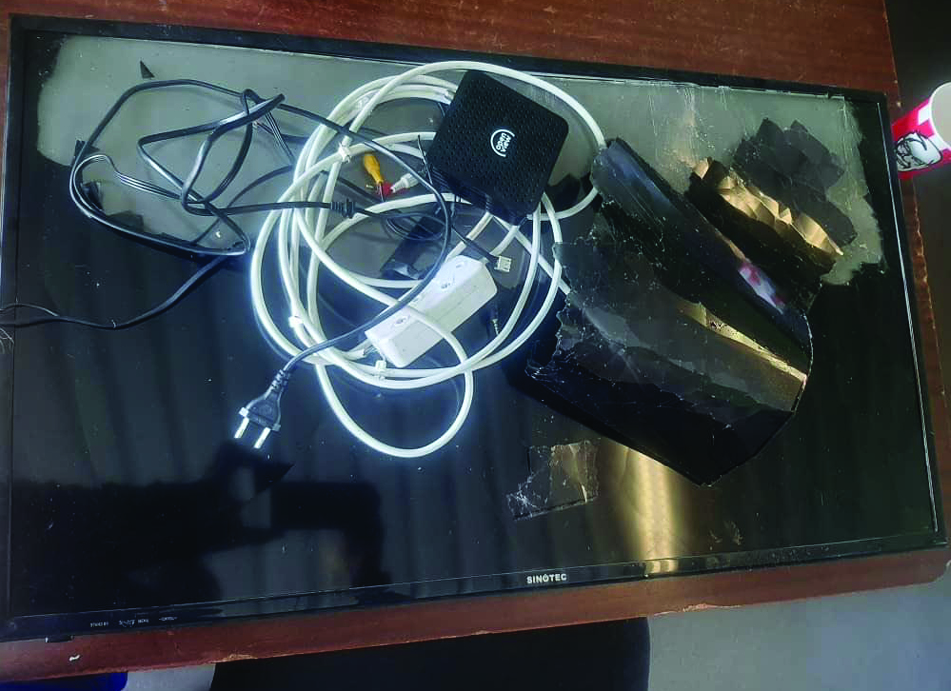
- Patients at the hospital responded to the disruption by smashing televisions.
- The dispute highlights concerns over Eswatini healthcare labour law compliance and patient safety.
Escalating Labour Dispute at Eswatini's Psychiatric Hospital
The situation at the National Psychiatric Referral Hospital highlights serious concerns regarding Eswatini patient safety liability.
Orderlies employed at the National Psychiatric Referral Hospital in Eswatini have initiated a significant "go-slow" action, ceasing to report for night duty. This critical disruption to patient care commenced last Friday, following months of unresolved issues concerning unpaid overtime. The workers formally communicated their decision to the hospital administration in writing, stating their immediate withdrawal from night shifts until their outstanding payments are settled. This collective action underscores a deep-seated frustration among the staff regarding their compensation.
The core of the dispute revolves around overtime hours worked during July and August, for which the psychiatric orderlies have yet to receive compensation. Despite repeated attempts to resolve the matter through official channels, their efforts to secure payment have been unsuccessful, ultimately leading to the current industrial action. The cessation of night duties directly impacts the operational capacity of the facility, particularly in critical overnight care, where continuous supervision and support are paramount for patients with mental health conditions.
This situation at the National Psychiatric Referral Hospital dispute highlights a growing tension between healthcare workers and management over fundamental employment rights. The decision to halt night shifts, a crucial component of round-the-clock care, was not taken lightly, indicating the severity of the financial strain and perceived neglect experienced by the orderlies. Their written notification to the administration emphasizes a formal and deliberate approach to their protest, signaling a clear demand for immediate resolution.
Patient Safety Concerns Amidst Staff Action
The immediate repercussions of the orderlies' withdrawal from night shifts have manifested in tangible disruptions within the hospital environment. Reports indicate that patients, likely affected by the reduced staffing levels and altered routines, resorted to smashing televisions within the facility. This incident underscores the precarious balance between staff welfare and the maintenance of a safe and stable environment for vulnerable patients, where even minor changes can have significant behavioral impacts.
The situation at the National Psychiatric Referral Hospital highlights serious concerns regarding Eswatini patient safety liability. When essential staff like psychiatric orderlies are not present for their scheduled shifts, particularly during critical night hours, the risk of incidents involving patients escalates significantly. This directly impacts the quality of care and the security of the hospital environment, potentially exposing the institution to further legal and ethical complications arising from inadequate supervision and care.
The disruption caused by the SZ psychiatric hospital go-slow extends beyond property damage, potentially affecting the therapeutic environment and the overall well-being of patients. A lack of adequate staffing can lead to increased anxiety, agitation, and a decline in the standard of care, which is particularly detrimental in a psychiatric setting where consistent support is vital. This incident serves as a stark reminder of the interconnectedness of staff conditions and patient outcomes.
Unpaid Overtime and Eswatini Healthcare Labour Law
This industrial action at the National Psychiatric Referral Hospital brings into sharp focus the challenges surrounding Eswatini psychiatric orderlies unpaid overtime within the public health sector. The fact that overtime payments for July and August remain outstanding for months suggests potential systemic issues in adherence to Eswatini healthcare labour law regarding employee compensation. Such delays can significantly erode staff morale and trust, leading to drastic actions like the current go-slow.
Ensuring timely and accurate payment for work rendered, especially overtime, is a fundamental aspect of labour compliance and worker rights. Failure to do so not only triggers industrial action but also raises questions about the overall financial and administrative health of the healthcare system in Eswatini. The prolonged nature of this non-payment indicates a deeper problem that extends beyond a simple administrative oversight, pointing towards a need for a thorough review of payroll and human resources practices.
The dispute at the SZ psychiatric hospital go-slow serves as a critical indicator of potential vulnerabilities in the management of public health institutions. It underscores the importance of robust mechanisms for addressing employee grievances and ensuring that contractual obligations, particularly those related to remuneration for additional hours, are met promptly. This incident could set a precedent or highlight a broader pattern of non-compliance that requires urgent attention from regulatory bodies and government health authorities.
Practical Implications
This incident highlights potential labour law non-compliance regarding overtime payments in Eswatini's public healthcare sector, posing significant operational risks and potential liability for patient safety. Lawyers should advise healthcare institutions on proactive dispute resolution and compliance with employment regulations to mitigate service disruptions and legal exposures.
Source
How does this affect you?
Get an AI analysis of this article grounded in your jurisdictions, practice areas, and any policy documents you've uploaded to Wansom.
Wansom is AI and can make mistakes.