
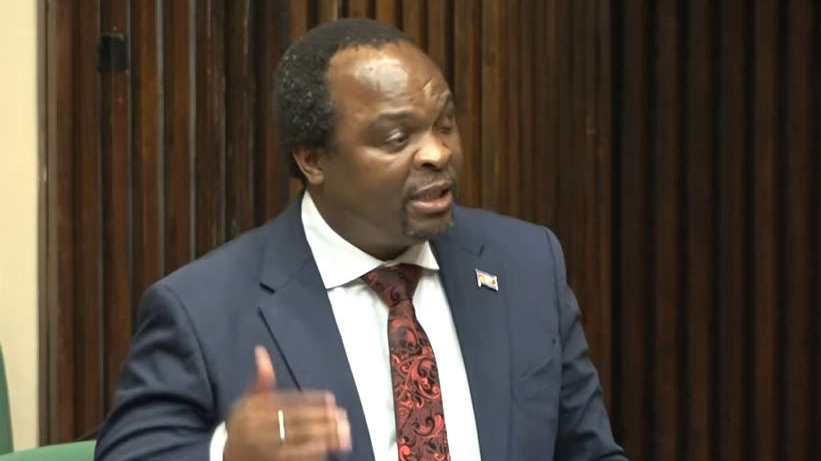
Eswatini: MP Alleges Radio License Tied to 2021 Unrest Figures
Summary
- Two commercial radio broadcasting licenses were recently granted in Eswatini.
- A Mbabane East Member of Parliament has alleged that one of the awarded companies is linked to individuals associated with progressive political movements.
- These individuals are further alleged to have been involved in the political unrest that occurred in Eswatini in 2021.
- The granting of these licenses has consequently come under significant political scrutiny.
Political Scrutiny Over Broadcasting Licenses
The allegations linking a recipient of an Eswatini radio license to the 2021 unrest carry significant implications for the country's media landscape and political stability.
The recent award of two commercial radio broadcasting licenses in Eswatini has ignited significant political debate, drawing attention to the process and the entities involved. This development follows claims made by an elected official, bringing the regulatory decision under intense public and legislative examination. The controversy centers on allegations that one of the companies receiving a license has ties to individuals reportedly associated with progressive political movements within the country.
These connections are particularly contentious because the individuals in question are further alleged to have played a role in the widespread political unrest that occurred in Eswatini during 2021. The Mbabane East Member of Parliament has specifically voiced these concerns, suggesting a direct link between a newly licensed broadcaster and past periods of national instability. This has transformed what might typically be a straightforward administrative process into a matter of national political interest and debate.
The allegations underscore a broader concern regarding the criteria and transparency of regulatory decisions, especially when they intersect with the nation's sensitive political landscape. The involvement of an MP in raising these issues elevates the matter beyond mere public speculation, placing it firmly within the realm of parliamentary oversight and political accountability. This situation highlights the intricate relationship between media ownership, political affiliation, and national stability in Eswatini.
Regulatory Context and Alleged Links
Commercial radio broadcasting licenses are typically granted following a review process designed to ensure compliance with technical, financial, and content standards. However, the current situation in Eswatini demonstrates how such regulatory decisions can become entangled in political narratives, particularly when allegations of past political involvement surface. The claim that an awarded entity is linked to individuals purportedly active in progressive political movements introduces a layer of complexity not usually associated with standard licensing procedures.
The specific accusation that these individuals were allegedly involved in the 2021 political unrest adds a critical dimension to the Eswatini broadcasting licence controversy. This connection suggests that the licensing authority's decision-making process, or at least its outcomes, could be perceived as having political ramifications beyond the immediate media landscape. Such allegations can lead to questions about the impartiality of regulatory bodies and the potential for political influence, whether real or perceived, in the allocation of valuable public resources like broadcast frequencies.
The scrutiny initiated by the Mbabane East MP underscores the heightened sensitivity surrounding any entity perceived to have ties to political activism, especially in the wake of significant national events like the 2021 unrest. This environment demands a robust and transparent licensing framework to maintain public trust and ensure that decisions are seen as fair and apolitical. The current allegations challenge this perception, placing the regulatory body under considerable pressure to address the concerns raised by the legislative branch.
Why These Allegations Matter
The allegations linking a recipient of an Eswatini radio license to the 2021 unrest carry significant implications for the country's media landscape and political stability. Such claims can erode public confidence in the fairness of regulatory processes and potentially politicize the media sector, which ideally operates with independence. The suggestion that political affiliations, particularly those associated with past unrest, might influence or be overlooked in licensing decisions, raises serious questions about governance and accountability.
Furthermore, this Eswatini political unrest licensing controversy could set a precedent for future regulatory decisions, potentially leading to increased scrutiny of all applicants for public licenses. The focus on the alleged involvement of individuals in progressive political movements during the 2021 unrest highlights the ongoing sensitivity surrounding political dissent and calls for reform within the nation. This situation demonstrates how past political events continue to shape current administrative and regulatory challenges.
The public airing of these concerns by the Mbabane East MP ensures that the commercial radio license Eswatini scrutiny will likely persist, potentially impacting the operational environment for the newly licensed broadcasters and future applicants. It signals that regulatory decisions are not immune to political oversight and that the perceived political leanings or past activities of associated individuals can become a central point of contention. This development underscores the delicate balance between media freedom, regulatory independence, and political stability in Eswatini.
Practical Implications
The political scrutiny over the Eswatini radio license award, based on alleged links to 2021 unrest, signals increased regulatory risk and potential for legal challenges to licensing decisions. Lawyers advising clients on regulatory compliance or license applications in Eswatini should anticipate heightened due diligence requirements, particularly regarding the political affiliations or past activities of applicants and their associates, to mitigate future controversies.
Source
How does this affect you?
Get an AI analysis of this article grounded in your jurisdictions, practice areas, and any policy documents you've uploaded to Wansom.
Wansom is AI and can make mistakes.