
Eswatini Maidens Encouraged to Register to Vote
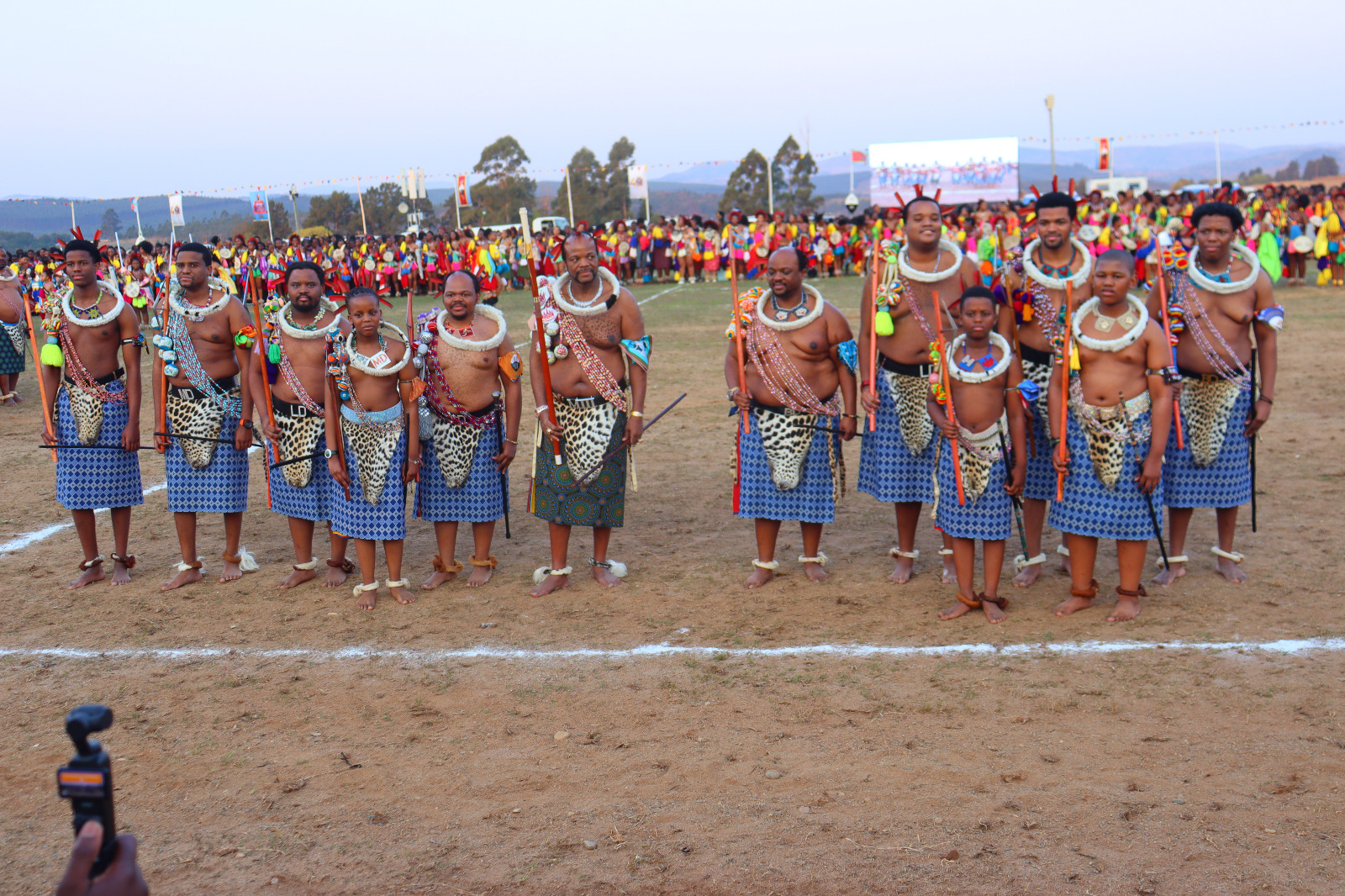
In Eswatini, young maidens participating in the second leg of the Umhlanga 2026 ceremony at Mbangweni Royal Residence are being actively encouraged to register to vote. This initiative, reported by Eswatini Daily News, integrates civic education and electoral participation within a significant traditional and cultural event, highlighting efforts to engage a specific demographic in the nation's democratic processes.
This development carries significant legal and political implications for practitioners and the public alike. It underscores the ongoing commitment to voter registration ahead of future elections, ensuring that eligible citizens, particularly young women, are empowered to exercise their constitutional right to vote. For legal professionals, it signals the active implementation of electoral laws and the importance of broad participation in shaping the country's governance. The intersection of traditional ceremonies with civic duties also highlights the unique socio-political landscape of Eswatini, where cultural institutions often play a role in national affairs.
The legal context for this voter registration drive is primarily rooted in the Constitution of Eswatini (2005), which guarantees the right to vote for all eligible citizens, and the Elections Act, which governs the electoral process. The Elections and Boundaries Commission (EBC) is the independent body mandated to oversee voter registration and conduct elections under the country's Tinkhundla system, where individuals vote for representatives in their local constituencies rather than for political parties. The encouragement of voter registration during the Umhlanga ceremony, a revered national event, demonstrates a strategic effort by authorities to leverage established cultural platforms for civic engagement, aligning with the EBC's mandate to ensure widespread electoral participation.
Key parties involved in this initiative include the young maidens (Imbali) themselves, who are the target demographic for registration, and implicitly, the Elections and Boundaries Commission, which is responsible for facilitating voter registration. Traditional authorities, by allowing and potentially endorsing such activities during the Umhlanga, also play a crucial role in legitimising and promoting civic participation. For practising attorneys, this event serves as a reminder to monitor the EBC's ongoing activities, upcoming electoral deadlines, and any changes to voter registration procedures. Attorneys advising corporate clients or non-governmental organisations should be aware of these civic engagement efforts, as they contribute to the broader political and social environment in which their clients operate, potentially influencing policy and regulatory landscapes. Understanding the dynamics of voter mobilisation, especially through traditional channels, is vital for comprehensive legal and strategic advice in Eswatini.
How does this affect you?
Get an AI analysis of this article grounded in your jurisdictions, practice areas, and any policy documents you've uploaded to Wansom.
Finish Reading the Full Story and the Expert Analysis.
Get the latest legal & regulatory intelligence in Eswatini
Wansom is AI and can make mistakes.