
Eswatini ACC: Culture Hinders Whistleblower Protection Efforts
The Anti-Corruption Commission (ACC) in Eswatini recently highlighted that the nation's cultural practices and workplace attitudes are significantly hindering whistleblowing efforts, often leading to victimisation rather than protection for those who report wrongdoing.
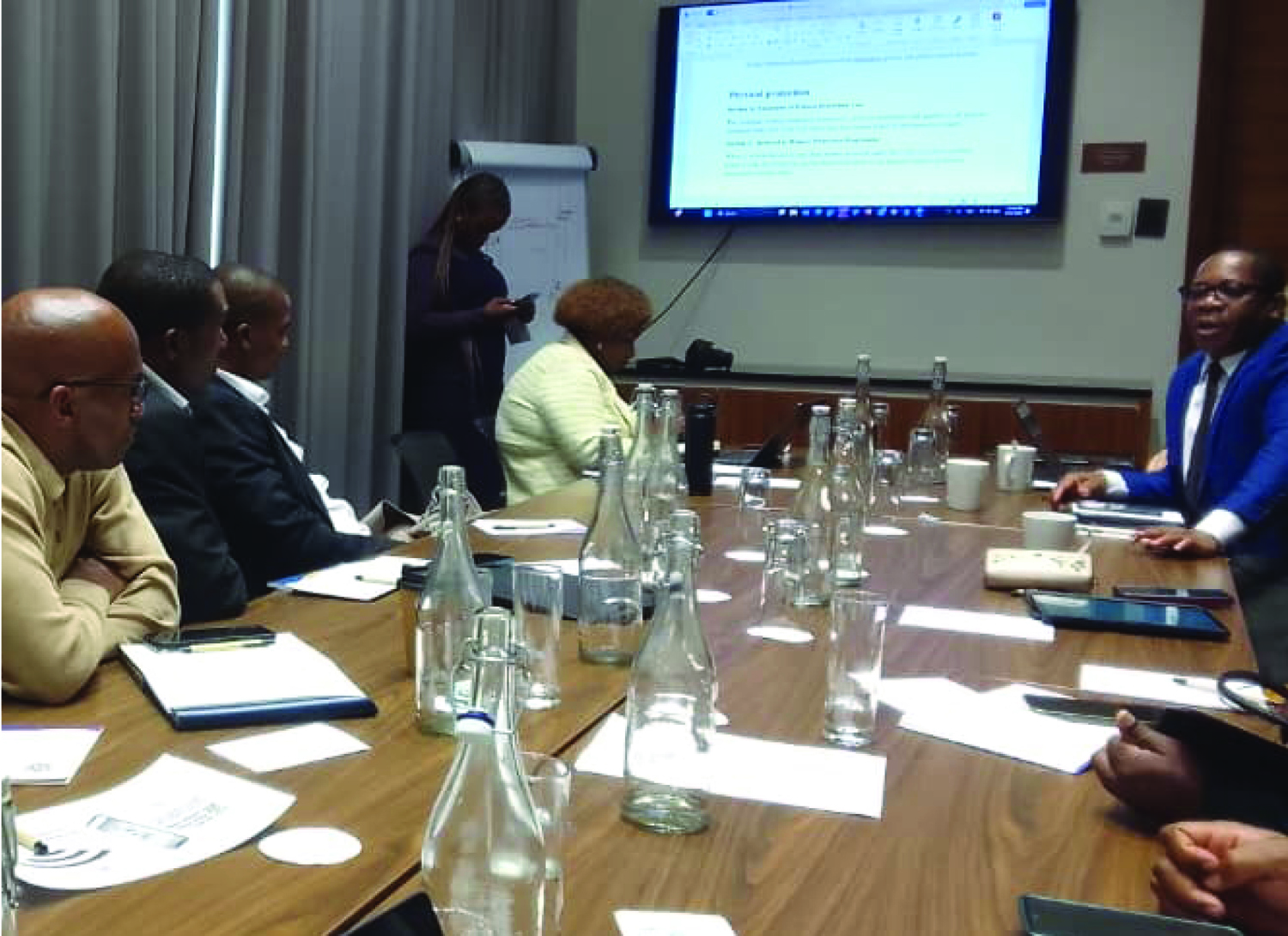
This critical observation emerged from a national workshop hosted by the ACC at the Hilton Garden Inn, where stakeholders convened to discuss the pervasive issue. The workshop specifically addressed how local cultural norms and prevailing workplace environments actively discourage individuals from exposing corruption and other illicit activities. A key concern raised was that instead of being safeguarded, whistleblowers frequently become targets of reprisal, undermining the very purpose of anti-corruption initiatives. The discussions also involved examining international standards for whistleblowing protection, indicating an effort to benchmark Eswatini's situation against global best practices and explore potential reforms.
For legal practitioners, this development is profoundly significant as it exposes a fundamental challenge to the effective implementation and enforcement of anti-corruption laws in Eswatini. It suggests that even with statutory provisions in place, the societal and corporate culture can create an environment where legal protections for whistleblowers are rendered ineffective. This impacts corporate governance, compliance frameworks, and the overall integrity of both public and private sectors. Businesses operating in Eswatini must recognise these cultural dynamics, as they can influence the efficacy of internal reporting mechanisms and the willingness of employees to report misconduct.
The legal context for this issue primarily revolves around Eswatini's anti-corruption framework, spearheaded by the ACC, which operates under legislation such as the Prevention of Corruption Act, 2006. This Act establishes the ACC and outlines its mandate to combat corruption. While the excerpt does not detail specific whistleblowing protection statutes, the discussion of victimisation implies either a lack of robust legal protection or a failure in its practical application due to cultural barriers. The reference to 'international standards' suggests a comparison with global instruments like the UN Convention Against Corruption (UNCAC), which advocates for strong whistleblower protection. The key party involved is the Anti-Corruption Commission, which is actively seeking solutions to this systemic problem.
Attorneys should advise their corporate and public sector clients to move beyond mere statutory compliance by actively cultivating a workplace culture that genuinely supports and protects whistleblowers. This involves not only establishing clear, confidential reporting channels but also implementing comprehensive training programs that address cultural sensitivities and reinforce the value of ethical reporting. Practitioners should monitor any legislative reforms or policy changes proposed by the ACC following these discussions, as well as the Commission's enforcement priorities, to ensure clients are prepared to adapt their internal policies and practices to foster a truly safe environment for reporting wrongdoing.
How does this affect you?
Get an AI analysis of this article grounded in your jurisdictions, practice areas, and any policy documents you've uploaded to Wansom.
Finish Reading the Full Story and the Expert Analysis.
Get the latest legal & regulatory intelligence in Eswatini
Wansom is AI and can make mistakes.