
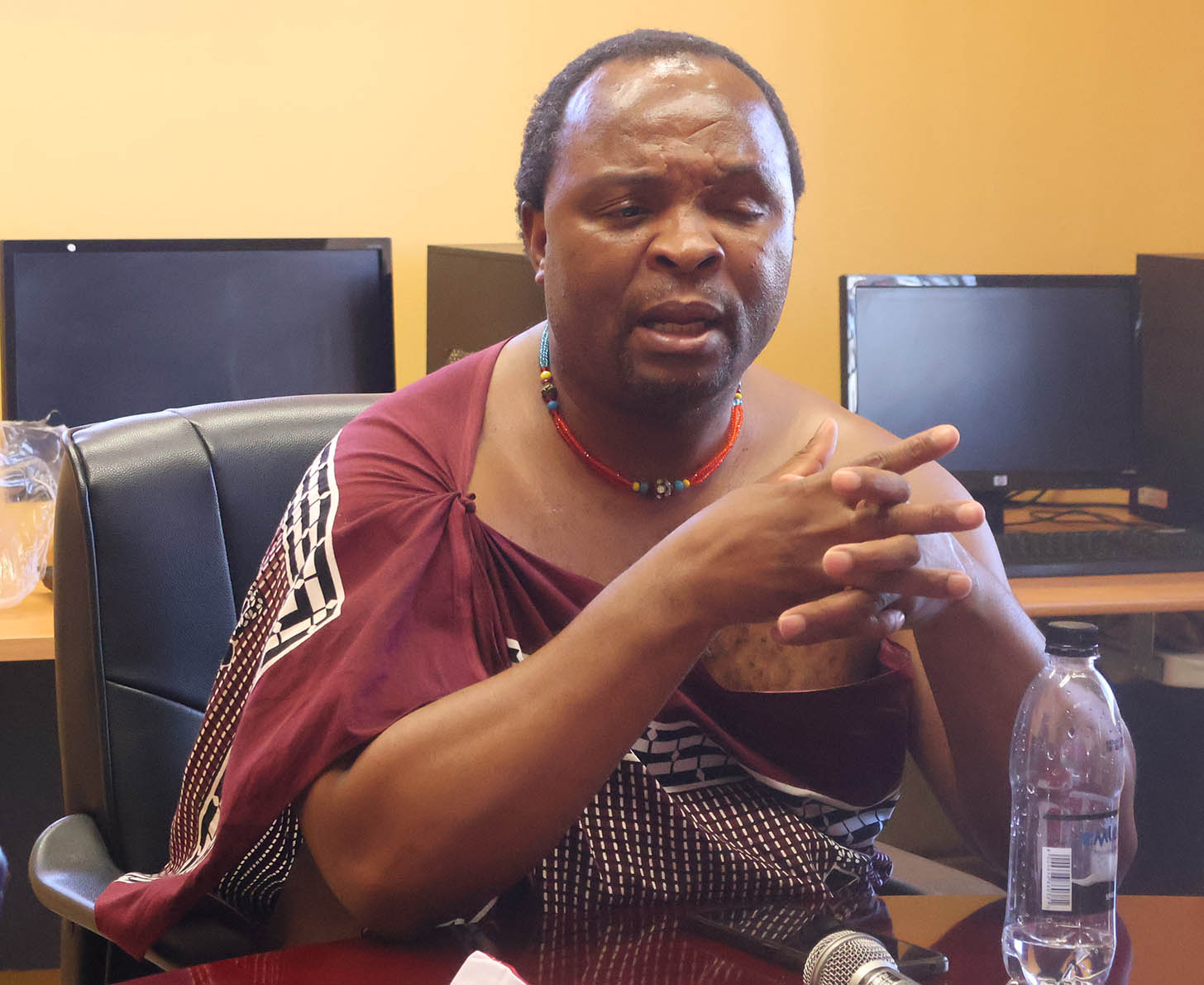
Eswatini MP Welcome Dlamini: Proposes Lobola Cattle Price Regulation
Summary
- Mbabane East MP Welcome Dlamini has proposed regulating the price of cattle paid for lobola in Eswatini.
- The proposal aims to address the question of how much a man should pay for a lobola cow.
- This submission occurred during a portfolio committee meeting, sparking debate.
- The initiative seeks to introduce a formal framework for the financial aspects of customary marriage practices.
A Call for Regulation
For legal professionals in Eswatini, these parliamentary discussions are particularly pertinent.
Mbabane East Member of Parliament Welcome Dlamini has initiated a significant discussion within Eswatini's political landscape by proposing the regulation of lobola, specifically concerning the price of cattle exchanged. This submission, made during a portfolio committee meeting, directly addresses the long-standing, often debated question of "exactly how much must a man pay for a lobola cow?"
MP Dlamini's intervention highlights a growing sentiment that the traditional practice of lobola, or bride price, requires a more structured approach to its financial aspects. His proposal centers on establishing a formal framework to govern the cost of cattle involved in these customary marriage arrangements, aiming to bring clarity and potentially consistency to a process that has historically been determined by various factors.
The suggestion by the Mbabane East MP Welcome Dlamini has already ignited considerable debate among stakeholders. The core of the discussion revolves around the feasibility and implications of imposing a regulatory mechanism on a deeply ingrained cultural practice, particularly one that involves a significant financial component like the lobola cattle price in Eswatini.
Understanding Lobola in Eswatini
Lobola, a fundamental component of customary marriage law in Eswatini, represents the bride price paid by the groom's family to the bride's family. Traditionally, this payment often involves cattle, symbolizing respect, commitment, and the establishment of new familial bonds. The practice is deeply embedded in the nation's cultural fabric, signifying not just a financial transaction but a crucial social and spiritual covenant between two families.
The absence of a standardized pricing mechanism for lobola cattle has historically led to variations in the amounts requested and paid. These figures can fluctuate based on regional customs, family expectations, and even the perceived status of the families involved. This inherent variability is precisely what the current Eswatini lobola regulation MP Welcome Dlamini is seeking to address through his parliamentary submission.
The debate surrounding the Eswatini bride price law reform is not merely about economics; it touches upon the preservation of cultural heritage versus the need for modern legal clarity. While the tradition is cherished, the practicalities of escalating or inconsistent cattle prices can present challenges for couples and families, prompting calls for a re-evaluation of how these transactions are managed within the broader framework of customary marriage law in Eswatini.
Why This Matters
The proposal by Mbabane East MP Welcome Dlamini to regulate the lobola cattle price in Eswatini carries significant implications for both individuals and the legal system. Should such a regulation be enacted, it would fundamentally alter how customary marriages are negotiated and formalized, potentially introducing a new layer of legal oversight into a practice that has largely operated on traditional agreements. This move could be seen as a step towards greater transparency and predictability in customary marriage arrangements.
For legal professionals in Eswatini, these parliamentary discussions are particularly pertinent. Any legislative changes resulting from the Mbabane East MP Welcome Dlamini proposal would necessitate a thorough understanding of the new legal landscape surrounding customary marriage law. Lawyers would need to adapt their advice concerning family law, property rights, and dispute resolution to reflect the updated regulations on lobola, ensuring clients are fully informed of their rights and obligations under the reformed system.
The ongoing debate underscores a broader conversation about lobola reform in Eswatini, reflecting a societal push to balance traditional values with contemporary economic realities and legal principles. The outcome of MP Dlamini's submission could set a precedent for how other aspects of customary law might be reviewed and potentially modernized, making this a pivotal moment for the future of traditional practices within the nation's legal framework.
Practical Implications
Lawyers in Eswatini should monitor parliamentary discussions regarding the proposed regulation of lobola (bride price), as any legislative changes could significantly impact customary marriage practices and require adjustments to legal advice concerning family law and property rights.
Source
How does this affect you?
Get an AI analysis of this article grounded in your jurisdictions, practice areas, and any policy documents you've uploaded to Wansom.
Finish Reading the Full Story and the Expert Analysis.
Get the latest legal & regulatory intelligence in Eswatini
Wansom is AI and can make mistakes.