
Eswatini: Land Law Reform Vital for Urban Planning Amid Growth
Summary
- UN Resident Coordinator George Wachira stated that Eswatini's land laws are outdated and contain administrative gaps.
- These deficiencies are threatening effective urban planning and contributing to the proliferation of unplanned settlements.
- Eswatini is experiencing an annual urbanization rate of 2.7 percent, intensifying the need for land law modernization.
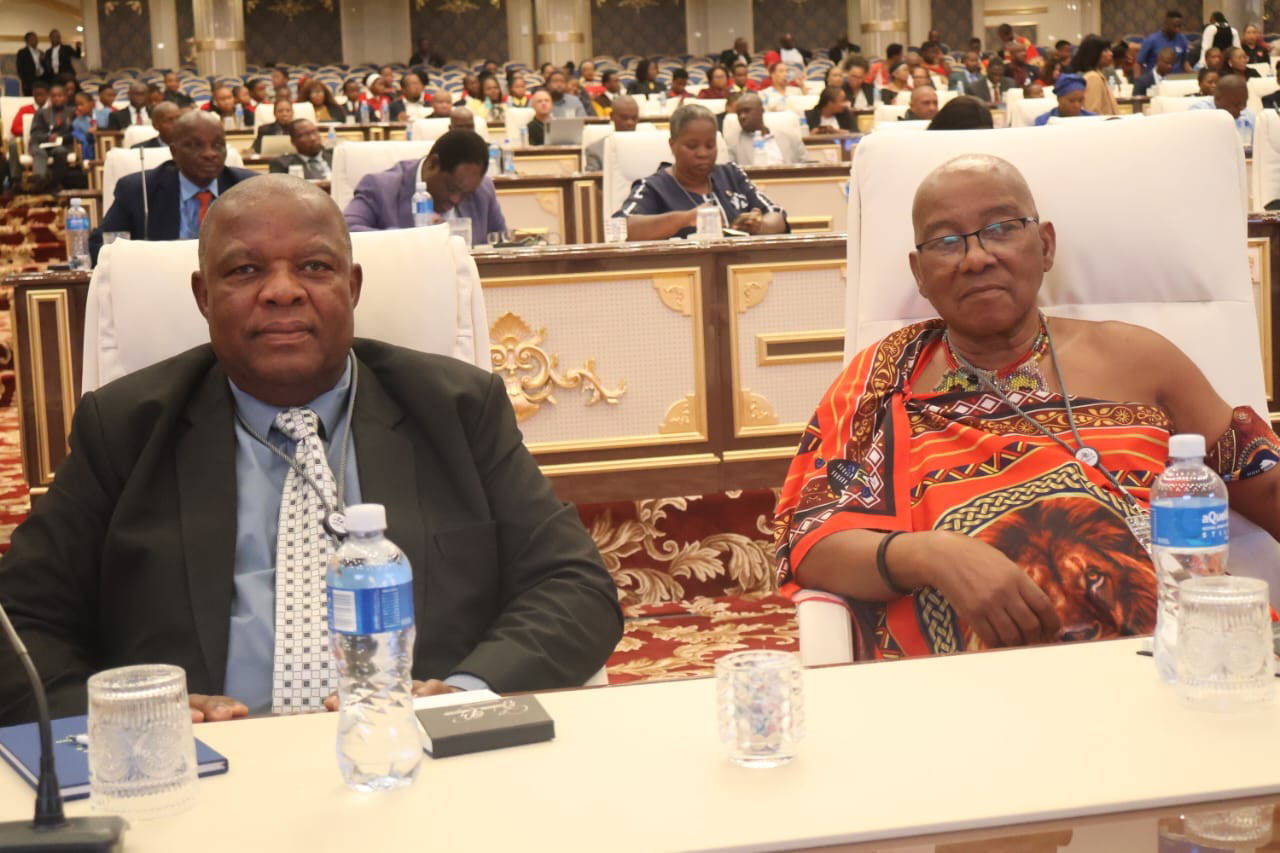
- The urgent call for reform was made during the second Eswatini Urban Forum held at the Ezulwini Palazzo.
Call for Modernization in Eswatini's Land Sector
Modernizing Eswatini land law reform urban planning is therefore not merely a technical exercise but a fundamental requirement for the country's future prosperity.
During the second Eswatini Urban Forum, held at the Ezulwini Palazzo, United Nations Resident Coordinator George Wachira highlighted a critical need for comprehensive reform within the nation's land administration framework. Wachira underscored that Eswatini's existing land laws are outdated and contain significant administrative gaps, which collectively pose a substantial threat to effective urban planning. This urgent call to action comes as the country experiences a rapid demographic shift, with its urban population expanding at an annual rate of 2.7 percent.
The rapid pace of urbanization in Eswatini, as noted by Wachira, is exacerbating the challenges posed by the current legal and administrative shortcomings. Without modernizing these foundational elements, the nation faces an increasing proliferation of unplanned settlements. These informal developments emerge as towns and their surrounding communities continue to grow, creating complex issues for infrastructure, service provision, and overall sustainable development. The forum served as a platform to address these pressing concerns, emphasizing the imperative for a proactive approach to land management.
Addressing Eswatini Land Administration Gaps
The core of the challenge lies in the identified Eswatini land administration gaps, which prevent the systematic and orderly development of urban areas. George Wachira's remarks at the Eswatini Urban Forum specifically pointed to the inadequacy of current legal instruments to cope with contemporary urban growth dynamics. These deficiencies contribute directly to the rise of Eswatini unplanned settlements, which are difficult to integrate into formal urban structures once established, leading to long-term socio-economic and environmental problems.
Modernizing Eswatini land law reform urban planning is therefore not merely a technical exercise but a fundamental requirement for the country's future prosperity. The current legal framework, designed for a different era, struggles to provide clear guidelines for land use, property registration, and development control in a rapidly urbanizing landscape. This situation creates an environment ripe for informal development, undermining efforts to create well-ordered, resilient, and equitable urban spaces across Eswatini.
The Imperative for Sustainable Urban Development
The implications of failing to address Eswatini's outdated land laws extend far beyond administrative inconvenience; they directly impact the nation's capacity for sustainable urban development. The unchecked growth of unplanned settlements strains public resources, complicates the provision of essential services like water, sanitation, and electricity, and can lead to environmental degradation. As communities expand, the absence of a robust legal and administrative framework for land management becomes an increasingly critical impediment to progress.
For stakeholders involved in property development, real estate, and urban planning in Eswatini, the call for reform signals a significant shift in the regulatory landscape. The recommendations emerging from discussions like the Eswatini Urban Forum underscore the need for legislative updates that will likely redefine zoning, land use, and property rights. This proactive engagement with Eswatini land law reform urban planning is essential to ensure that future growth is managed effectively, fostering planned, inclusive, and sustainable urban environments for all residents.
Practical Implications
Lawyers and compliance officers involved in property development, real estate, or urban planning in Eswatini should monitor upcoming legislative changes and policy reforms related to land use, zoning, and property registration, as the current framework is deemed outdated and likely to undergo significant updates. This could impact project approvals, compliance requirements, and investment strategies.
Source
How does this affect you?
Get an AI analysis of this article grounded in your jurisdictions, practice areas, and any policy documents you've uploaded to Wansom.
Finish Reading the Full Story and the Expert Analysis.
Wansom is AI and can make mistakes.