
Eswatini Government: Property Rates Default Undermines Municipal Finance
Summary
- The Eswatini government is the largest defaulter on property rates payments.
- This non-payment is severely crippling municipalities, as confirmed by the Ezulwini CEO.
- Property rates are a crucial source of income for local councils to fund essential services.
- The default creates a significant municipal finance crisis in Eswatini.
- This situation impacts service delivery, property valuations, and overall local governance stability.
Eswatini Government's Property Rates Default Cripples Municipalities
Lawyers advising clients with property interests or business operations in Eswatini municipalities should closely monitor the financial stability of local councils, as persistent government rates defaults could lead to service degradation, increased municipal levies, or impact property valuations, highlighting the critical importance of resolving this issue for the nation's overall economic health and stability.
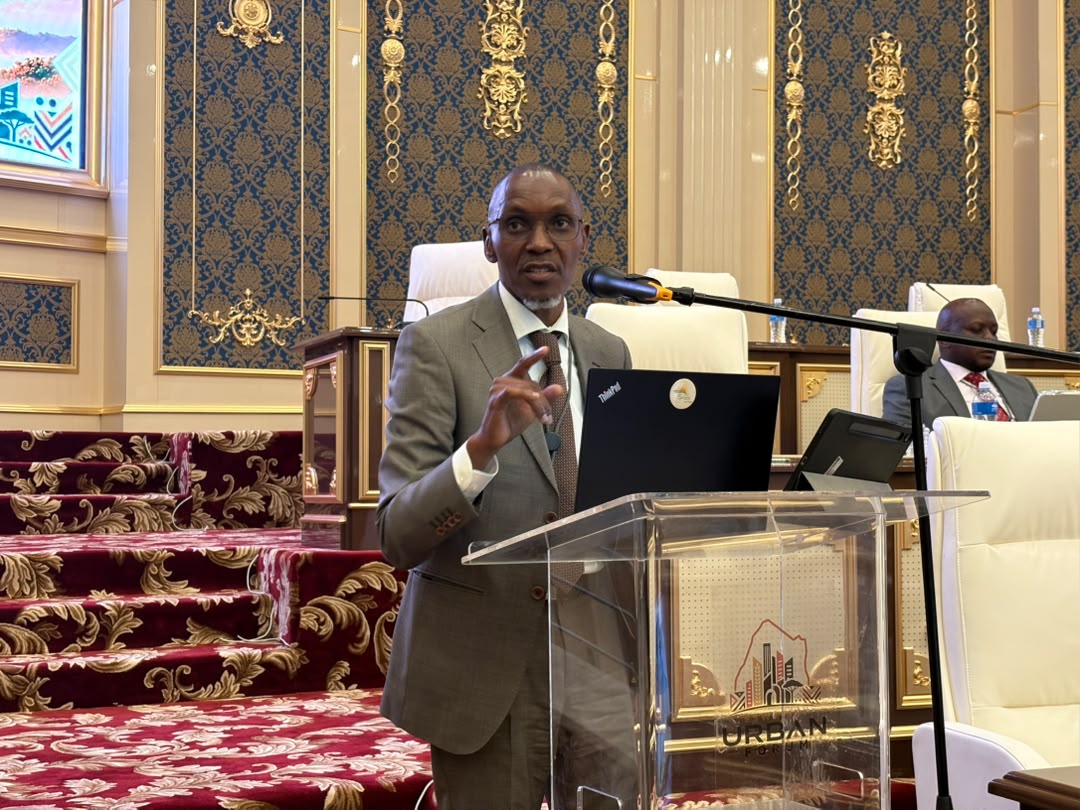
The Eswatini government has been identified as the leading entity in default of property rates payments, a situation that is severely undermining the financial health of local councils across the nation. This persistent failure to meet its obligations positions the government as the largest defaulter, a critical issue that has been explicitly highlighted by the Chief Executive Officer of Ezulwini. The CEO's statement underscores the profound negative impact this non-payment has on the operational capacity and stability of municipalities.
This ongoing rates non-payment by the Eswatini government directly contributes to a significant revenue shortfall for local authorities. As a result, municipalities find themselves in a precarious financial position, struggling to maintain essential services and execute planned development projects. The default by such a prominent entity exacerbates the challenges faced by local governance structures, creating a ripple effect that touches various aspects of municipal administration and service delivery.
The Financial Strain on Local Councils and Municipal Finance Crisis
Property rates represent a fundamental and legally mandated source of income for municipalities, crucial for funding a wide array of public services, infrastructure maintenance, and community development initiatives. The consistent failure of the Eswatini government to remit these essential payments creates a severe financial strain, directly contributing to what can be characterized as a municipal finance crisis. This situation is particularly challenging given that the government, by its nature, should be a model of compliance in fulfilling its financial duties.
The revenue shortfall resulting from these government rates arrears in Eswatini directly impacts the ability of local councils to perform their core functions. Without these vital funds, municipalities struggle to provide basic services such as waste collection, road upkeep, public lighting, and sanitation. This deficit not only hinders day-to-day operations but also compromises long-term planning and investment in critical urban and rural infrastructure, thereby affecting the quality of life for residents and the operational environment for businesses within these jurisdictions.
Broader Implications for Eswatini's Local Governance and Economy
The systemic issue of the Eswatini government's property rates default extends beyond immediate financial woes, posing significant challenges to the broader framework of local government funding in Eswatini. When the largest property owner and governing body consistently fails to pay its dues, it sets a concerning precedent and creates an unsustainable financial model for local administration. This situation can erode public trust in governance and accountability at both national and local levels.
Furthermore, the ongoing financial instability caused by these defaults could have wider economic ramifications. A municipality crippled by a lack of funds may see a degradation of public services, which can, in turn, negatively impact property valuations and deter potential investors. Lawyers advising clients with property interests or business operations in Eswatini municipalities should closely monitor the financial stability of local councils, as persistent government rates defaults could lead to service degradation, increased municipal levies, or impact property valuations, highlighting the critical importance of resolving this issue for the nation's overall economic health and stability.
Practical Implications
Lawyers advising clients with property interests or business operations in Eswatini municipalities should monitor the financial stability of local councils, as persistent government rates defaults could lead to service degradation, increased municipal levies, or impact property valuations.
Source
How does this affect you?
Get an AI analysis of this article grounded in your jurisdictions, practice areas, and any policy documents you've uploaded to Wansom.
Finish Reading the Full Story and the Expert Analysis.
Wansom is AI and can make mistakes.