
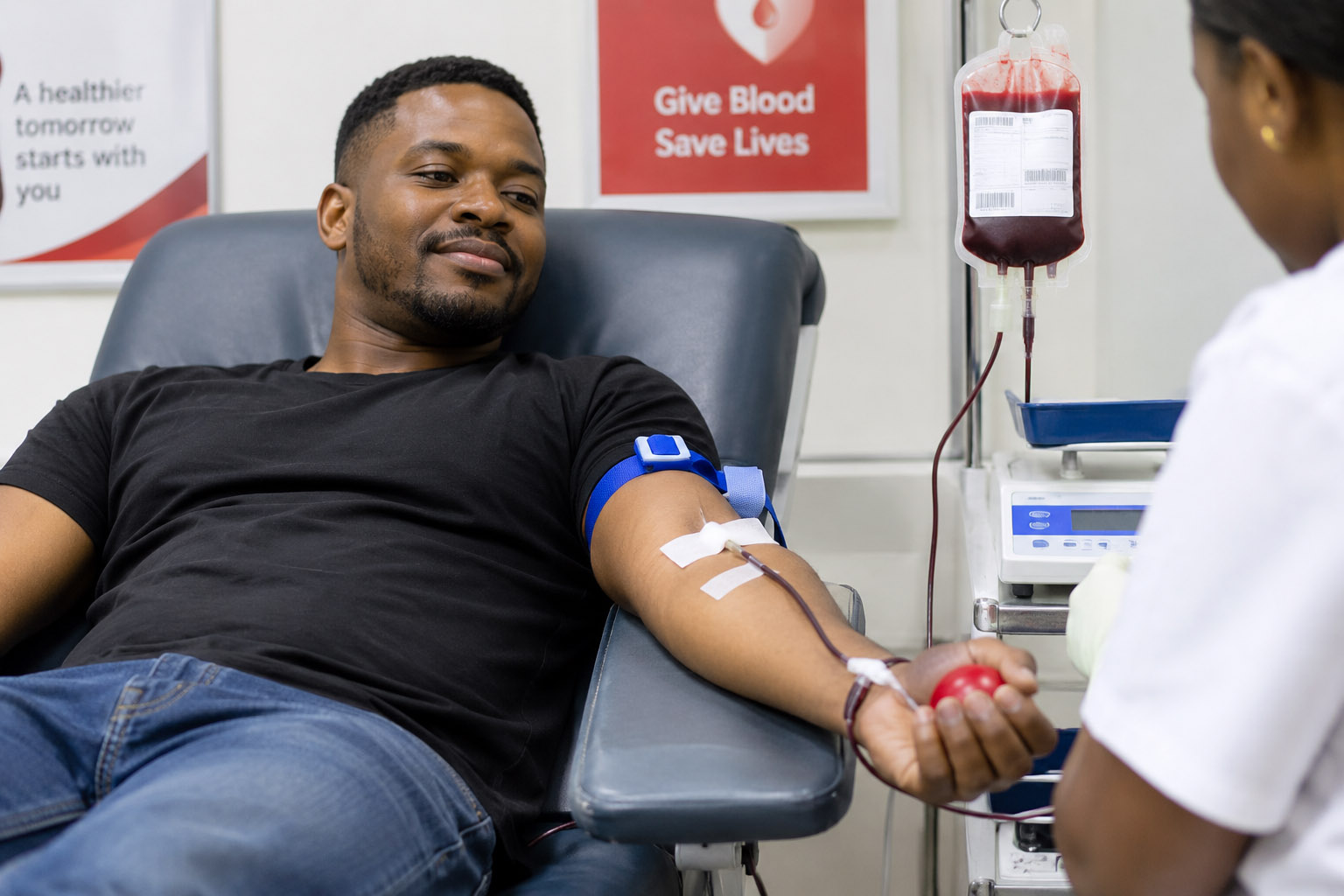
Eswatini Jehovah's Witnesses: Blood Policy Allows Component Choice
Summary
- Jehovah's Witnesses in Eswatini can now individually choose to accept or donate four main blood components.
- The long-standing prohibition against whole-blood transfusions remains unchanged.
- This policy modification stems from a recent decision made by the Governing Body of Jehovah's Witnesses.
- Thousands of members in Eswatini are affected by this significant shift in religious medical guidelines.
- Healthcare providers must update their informed consent procedures to reflect individual patient choices regarding blood components.
A Significant Policy Shift
Healthcare providers and legal counsel in Eswatini should update their understanding of informed consent protocols for Jehovah's Witness patients regarding blood component donations, as the church's internal policy now permits individual choice, potentially impacting medical treatment plans and liability.
A long-standing religious prohibition against blood transfusions, observed by Jehovah's Witnesses globally for many decades, has undergone a notable modification. This change particularly impacts thousands of adherents within Eswatini, signaling a new era for their medical choices. The core tenet against whole-blood transfusions remains firmly in place, reflecting the church's deeply held beliefs regarding the sanctity of blood.
However, a pivotal decision by the Governing Body of Jehovah's Witnesses now grants individual members the autonomy to choose whether to accept or donate four specific main blood components. This development, originating from Mbabane, Eswatini, represents a significant evolution in the Jehovah's Witnesses Eswatini blood donation policy, moving from a blanket refusal of all blood-related medical interventions to a more nuanced approach concerning fractions of blood.
Evolving Religious Medical Ethics
Historically, the religious medical ethics of Jehovah's Witnesses have dictated a complete refusal of all blood transfusions, a stance rooted in their interpretation of biblical texts. This position has often presented complex challenges for healthcare providers and patients alike, particularly in emergency situations where blood products are deemed life-saving. The recent pronouncement, however, introduces a layer of individual discretion previously absent, specifically for Eswatini Jehovah's Witnesses blood components.
This shift necessitates a re-evaluation of how patient consent Jehovah's Witnesses is obtained and understood within medical settings. While the prohibition on whole blood remains absolute, the allowance for individual choice regarding components like plasma, red cells, white cells, and platelets marks a substantial departure. It underscores a dynamic interplay between religious doctrine and personal medical decisions, reshaping the landscape of religious medical ethics Eswatini.
Implications for Healthcare and Legal Practice
The Jehovah's Witnesses Governing Body decision carries profound implications for healthcare providers and legal professionals in Eswatini. Given the new policy, it is imperative for medical practitioners to update their understanding of informed consent protocols when treating Jehovah's Witness patients. The previous assumption of a universal refusal of all blood products can no longer be applied without individual consultation, especially concerning blood components.
This change directly impacts medical treatment plans and potentially the liability of healthcare institutions and individual doctors. Clear, documented communication with patients about their specific choices regarding blood components is now more critical than ever. Legal counsel in Eswatini should advise healthcare entities on adapting their consent forms and procedures to reflect this evolving religious stance, ensuring that patient autonomy is respected while mitigating legal risks associated with medical interventions.
Practical Implications
Healthcare providers and legal counsel in Eswatini should update their understanding of informed consent protocols for Jehovah's Witness patients regarding blood component donations, as the church's internal policy now permits individual choice, potentially impacting medical treatment plans and liability.
Source
How does this affect you?
Get an AI analysis of this article grounded in your jurisdictions, practice areas, and any policy documents you've uploaded to Wansom.
Finish Reading the Full Story and the Expert Analysis.
Get the latest legal & regulatory intelligence in Eswatini
Wansom is AI and can make mistakes.