
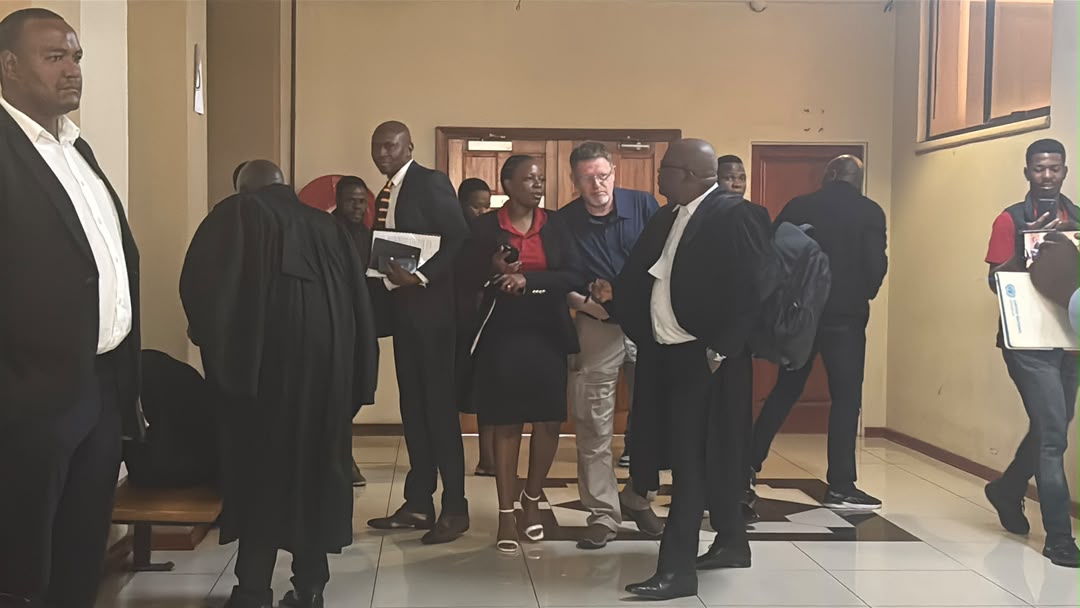
Eswatini High Court: Halts TLC Inquiry Over Legality Challenge
Summary
- The High Court in Mbabane has temporarily halted a Commission of Inquiry into The Luke Commission (TLC).
- TLC filed an urgent application challenging the legality of the probe.
- The inquiry was established under Government Gazette Legal Notice No. 144 of 2026.
- TLC is seeking a judicial review of the inquiry's legal basis.
- The case could set a significant precedent for challenging government-appointed commissions in Eswatini.
High Court Halts TLC Inquiry
The outcome of this Eswatini High Court TLC inquiry legality challenge carries substantial weight for future government-appointed commissions of inquiry and administrative actions across the kingdom.
The High Court in Mbabane has issued a temporary halt to a government-appointed Commission of Inquiry, which was established to investigate the operations and affairs of The Luke Commission (TLC). This significant development follows an urgent application filed by TLC, directly challenging the legal basis and procedural validity of the probe.
The Commission of Inquiry had been formally constituted under the authority of Government Gazette Legal Notice No. 144 of 2026. However, TLC's legal challenge contends that the establishment of this inquiry is unlawful, prompting the court to intervene and pause its proceedings. The urgent application specifically requests the court to undertake a comprehensive review of the inquiry's legality, effectively questioning the state's power to initiate such an investigation under the cited legal notice.
Legal Challenge and Administrative Review
This case represents a critical Eswatini administrative law challenge, as The Luke Commission is seeking a judicial review of the government's decision to establish the inquiry. The core of TLC's argument revolves around the legality of the probe itself, rather than the findings or conduct of the inquiry once it commenced. Such an Eswatini judicial review commission application scrutinizes whether the executive branch acted within its statutory powers and followed due process when creating the investigative body.
The urgent application filed by TLC underscores the immediate and potentially far-reaching implications for the organization, necessitating swift judicial intervention. By challenging the Commission of Inquiry Legal Notice 144 2026, TLC is asserting its right to have governmental actions, particularly those impacting its operations, subjected to rigorous legal scrutiny by the High Court. This legal maneuver highlights the procedural avenues available for entities to contest administrative decisions that they deem to be ultra vires or otherwise unlawful.
Precedent for Government Oversight
The outcome of this Eswatini High Court TLC inquiry legality challenge carries substantial weight for future government-appointed commissions of inquiry and administrative actions across the kingdom. The court's decision will clarify the legal grounds and procedural requirements for establishing such investigative bodies, potentially setting a precedent for how similar probes can be initiated and, crucially, how they can be contested.
For legal practitioners, this case provides a vital opportunity to observe the judicial interpretation of administrative powers and the scope of judicial review in Eswatini. The ruling will offer guidance on the avenues available for clients who may find themselves subject to governmental inquiries or who wish to challenge the legality of administrative instruments. The High Court's decision on The Luke Commission Eswatini inquiry will therefore be closely watched as it could redefine the boundaries of executive authority and judicial oversight in the country.
Practical Implications
Lawyers should closely monitor the outcome of this High Court challenge, as it will clarify the legal grounds and procedural avenues available for contesting the establishment or conduct of government-appointed commissions of inquiry in Eswatini. This case could set an important precedent for advising clients subject to such probes or considering judicial review of administrative actions.
Source
How does this affect you?
Get an AI analysis of this article grounded in your jurisdictions, practice areas, and any policy documents you've uploaded to Wansom.
Finish Reading the Full Story and the Expert Analysis.
Get the latest legal & regulatory intelligence in Eswatini
Wansom is AI and can make mistakes.