
Eswatini High Court: Soldier Sues Army Commander for Injury, Compensation
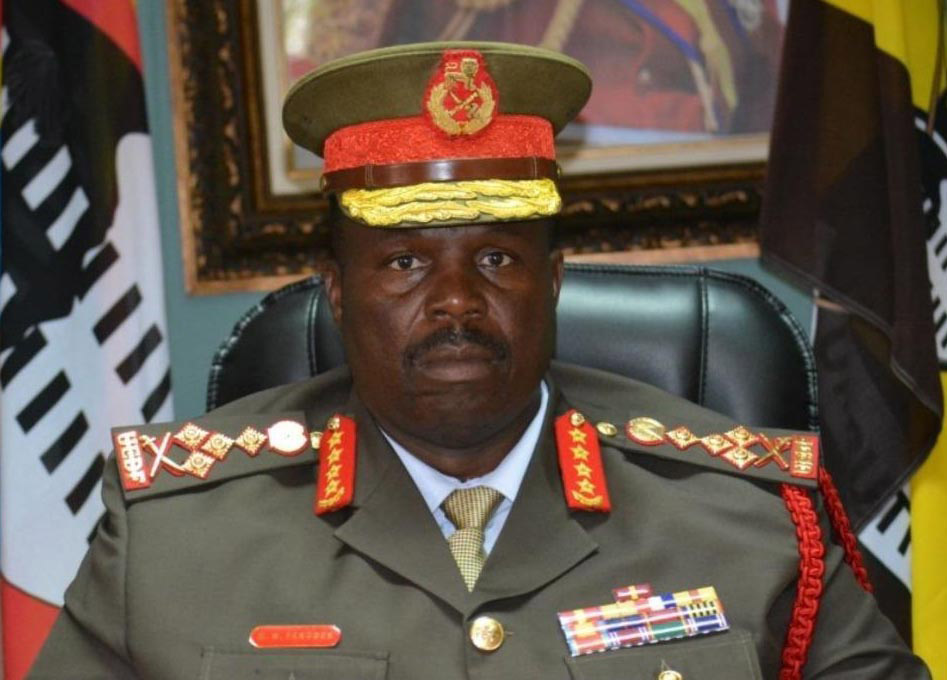
In Eswatini, a female soldier, Phindile Ndlela, has initiated legal proceedings in the High Court against Army Commander Mashikilisane Fakudze, alleging injury sustained during a punitive order to push a truck tyre at Matsapha Garrison.
Ndlela's claim centers on injuries she reportedly suffered while carrying out a disciplinary punishment, which she contends was an order to push a truck tyre. She is seeking several remedies from the High Court, including the reinstatement of her salary, medical retirement, and assistance in processing compensation for the injuries she allegedly sustained. This action brings to the forefront questions regarding the legality and appropriateness of disciplinary measures within the Eswatini armed forces and the accountability of senior military officials for the welfare of their subordinates. The specific outcome of this matter, including any rulings or orders from the High Court, is not yet reported in the provided excerpt.
This case carries significant legal implications for practitioners, particularly those dealing with military law, employment law, and human rights in Eswatini. It tests the boundaries of military command authority versus the individual rights and welfare of service personnel. Should Ndlela succeed, it could establish important precedents regarding the standard of care owed to soldiers, the permissible scope of military discipline, and the avenues for redress available to those who believe they have been wronged within the armed forces. For businesses, especially those with hierarchical structures or operations involving physical demands, it underscores the importance of robust internal policies for discipline, safety, and employee grievance mechanisms.
The legal context for this matter involves the jurisdiction of the Eswatini High Court to hear cases against state officials and military commanders, potentially under principles of administrative law, delict (tort) law concerning personal injury and negligence, and constitutional law, particularly provisions relating to human dignity and freedom from cruel, inhuman, or degrading treatment. While specific military statutes are not cited, the case implicitly engages the framework of military justice and discipline within Eswatini, and how it intersects with general civil law. The key parties involved are Phindile Ndlela as the applicant, Army Commander Mashikilisane Fakudze as the respondent, and the Eswatini High Court as the adjudicating body. The Eswatini Army, as Ndlela's employer, is an implicit party whose practices are under scrutiny.
Practitioners in Eswatini should closely monitor the High Court's proceedings and eventual judgment in this case. The ruling will provide crucial guidance on the extent to which military commanders can be held personally liable for actions taken in the course of duty, the interpretation of disciplinary powers within the armed forces, and the availability of civil remedies for service members. Attorneys advising clients in the public sector or large organizations should review internal disciplinary codes and ensure they align with constitutional protections and general principles of fairness and safety. Businesses should also consider the potential for similar claims arising from workplace injuries or disciplinary actions, and ensure their policies and procedures are legally sound and ethically robust.
How does this affect you?
Get an AI analysis of this article grounded in your jurisdictions, practice areas, and any policy documents you've uploaded to Wansom.
Finish Reading the Full Story and the Expert Analysis.
Get the latest legal & regulatory intelligence in Eswatini
Wansom is AI and can make mistakes.