
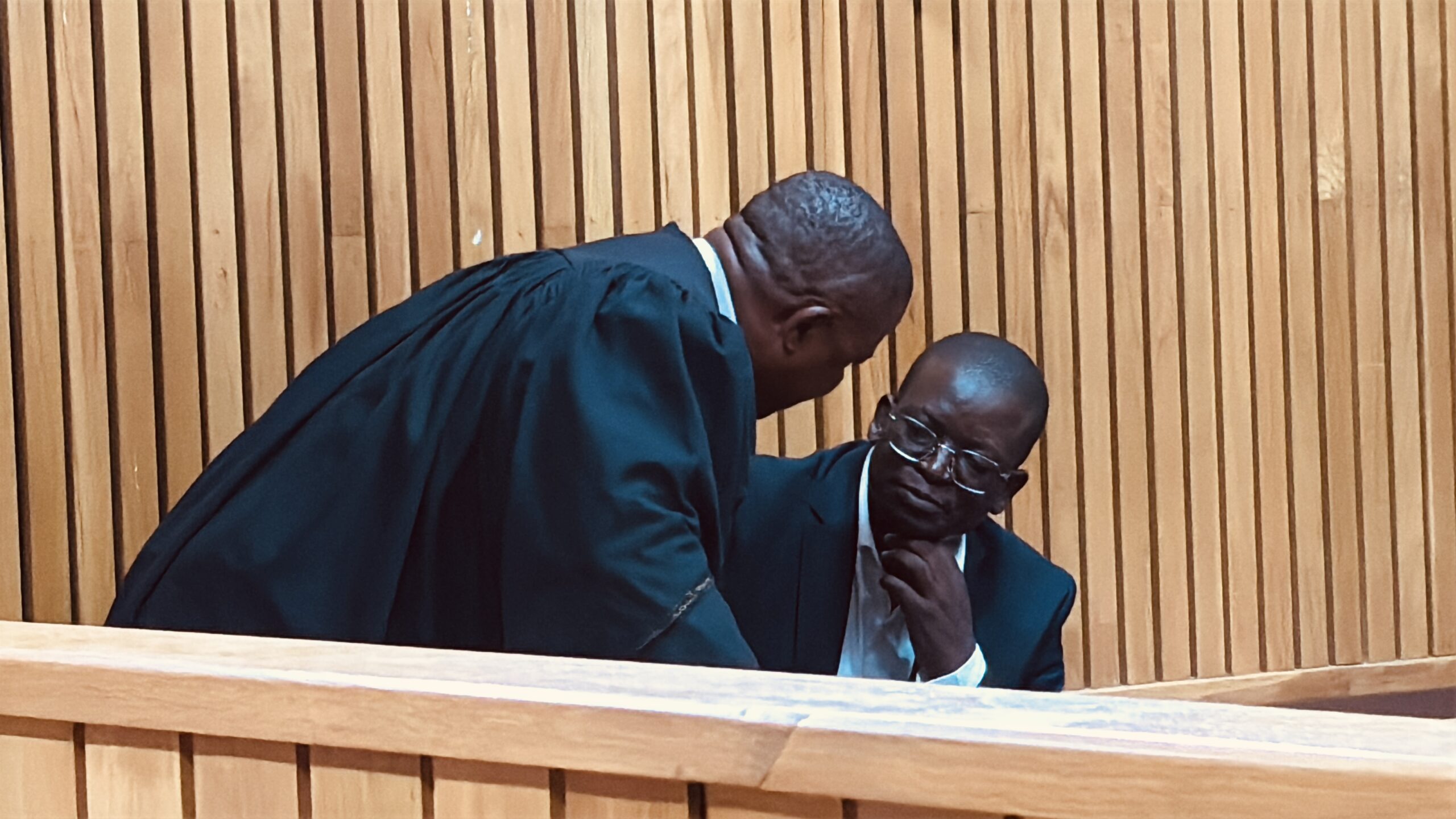
Eswatini High Court: Murder Trial Delayed by Witness Statement Dispute
The murder trial of Mashumi Shongwe in Eswatini was postponed to November 3, 2026, by High Court Judge Sabelo Masuku due to a dispute over concealed witness identities and late evidence delivery.
This significant delay stems from the defence's objections regarding the redaction of witness statements and the untimely provision of evidence by the prosecution in the case where Shongwe is accused of killing his wife, Tigezile Magongo. Such procedural disputes underscore the critical importance of due process and the right to a fair trial, which are foundational principles of Eswatini's justice system. The extensive postponement highlights potential challenges in case management and the efficient administration of justice within the High Court.
For legal practitioners, this case serves as a stark reminder of the stringent disclosure obligations placed upon the prosecution under Eswatini's Criminal Procedure and Evidence Act. The accused's right to adequate time and facilities for the preparation of their defence, including access to all relevant evidence, is paramount. Defence counsel, such as Ben J. (surname not provided), must be vigilant in challenging any perceived non-compliance with these rules to safeguard their client's constitutional rights. Conversely, prosecutors must ensure meticulous adherence to disclosure timelines and requirements to prevent such protracted delays and potential grounds for appeal.
The legal significance extends beyond the immediate parties, impacting the broader perception of judicial efficiency and fairness. The High Court of Eswatini, as the superior court of general jurisdiction for serious criminal matters, plays a crucial role in balancing the rights of the accused with the public interest in swift justice. The outcome of this specific procedural challenge, and ultimately the trial, will offer valuable insights into the court's interpretation and enforcement of disclosure rules and fair trial principles.
Practitioners should closely monitor the High Court's approach to evidence disclosure and trial management in this and similar cases. Defence attorneys should proactively engage with discovery processes and be prepared to challenge any irregularities, while prosecutors must prioritize comprehensive and timely disclosure to avoid jeopardizing trials and contributing to backlogs. The long adjournment period itself is a point of concern for the pace of justice in the jurisdiction.
How does this affect you?
Get an AI analysis of this article grounded in your jurisdictions, practice areas, and any policy documents you've uploaded to Wansom.
Finish Reading the Full Story and the Expert Analysis.
Wansom is AI and can make mistakes.