
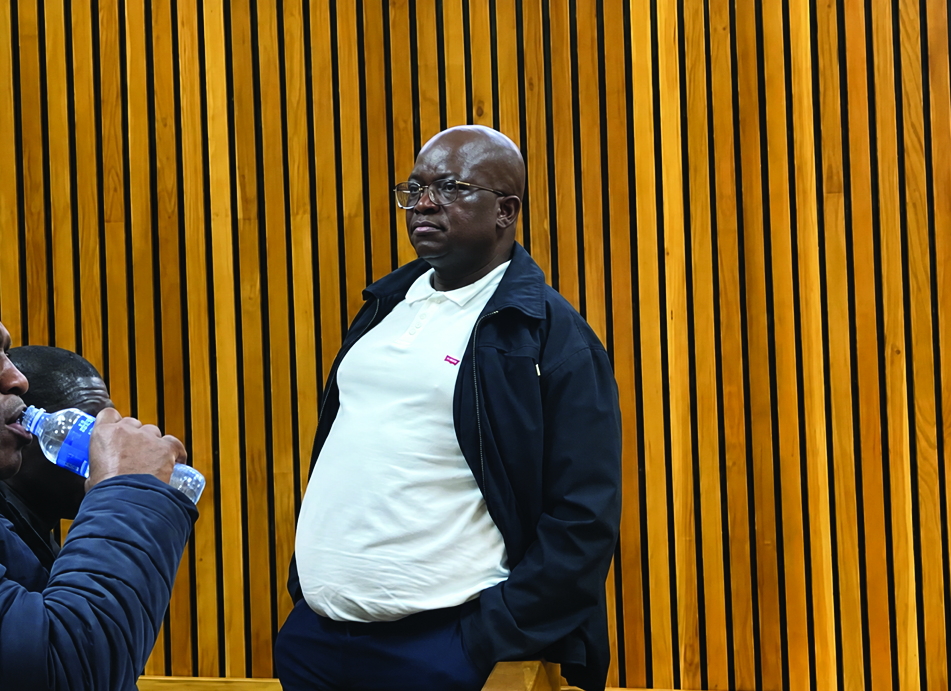
Eswatini High Court: Mashumi Murder Trial Delayed by Lost Dockets
In Eswatini, the murder trial of football administrator and businessman Mashumi Shongwe has been significantly delayed at the High Court after the Crown disclosed that crucial case dockets were lost during investigations, resulting in vital statements remaining missing to date.
This development, revealed by prosecuting counsel Ngcebo Lukhele to Judge Sabelo Masuku, signifies a profound procedural breakdown within the Eswatini justice system. The loss of investigative dockets and key witness statements directly impedes the prosecution's ability to present its case effectively and raises serious questions about the integrity of the evidence chain. Such an incident can severely prejudice the accused's right to a fair trial, as the defence's ability to prepare and challenge the prosecution's narrative relies heavily on full disclosure and access to all relevant investigative materials. The immediate consequence is a delay in justice, but the long-term implications could include a compromised prosecution, potential for a mistrial, or even an acquittal if the prejudice to the defence is deemed insurmountable.
The legal significance of this incident for practitioners in Eswatini is substantial, highlighting critical vulnerabilities in the administration of criminal justice. The Eswatini legal framework, rooted in Roman-Dutch law and guided by its Constitution, guarantees fundamental rights, including the right to a fair trial and due process. The Criminal Procedure and Evidence Act would ordinarily dictate the meticulous handling and preservation of evidence. The High Court, as the highest court of general jurisdiction, is tasked with upholding these principles, and Judge Masuku will now need to consider the appropriate remedies or directives in light of this disclosure. The outcome of this specific matter, including any further directives from Judge Masuku regarding the lost documents, is not yet reported, leaving the legal community to speculate on the potential ramifications for the trial's continuation.
Key parties involved in this unfolding legal drama include Mashumi Shongwe, the accused; the Crown, represented by prosecuting counsel Ngcebo Lukhele; and Judge Sabelo Masuku, presiding over the matter at the Eswatini High Court. The incident implicitly involves the investigative agencies responsible for the initial handling and safekeeping of the dockets. This situation underscores the critical need for robust internal controls and accountability mechanisms within both the police and the Directorate of Public Prosecutions to prevent such fundamental failures in evidence management, which can undermine public confidence in the justice system.
Practitioners, particularly criminal defence attorneys and prosecutors in Eswatini, should closely monitor the High Court's response to this disclosure. For defence counsel, this incident presents a potential avenue for challenging the admissibility of any remaining evidence, arguing for a stay of proceedings, or even seeking a discharge if the lost dockets are deemed essential to a fair trial. Prosecutors, on the other hand, must urgently review and reinforce their protocols for evidence collection, storage, and chain of custody to prevent similar occurrences. This case serves as a stark reminder of the procedural pitfalls that can derail even high-profile trials and emphasizes the importance of meticulous attention to detail in all stages of criminal proceedings, from investigation through to trial.
How does this affect you?
Get an AI analysis of this article grounded in your jurisdictions, practice areas, and any policy documents you've uploaded to Wansom.
Wansom is AI and can make mistakes.