
Eswatini Government: MSME Lending Rethink Urged for Financial Institutions
Summary
- The Eswatini government has urged financial institutions to reconsider their approach to financing micro, small, and medium enterprises (MSMEs).
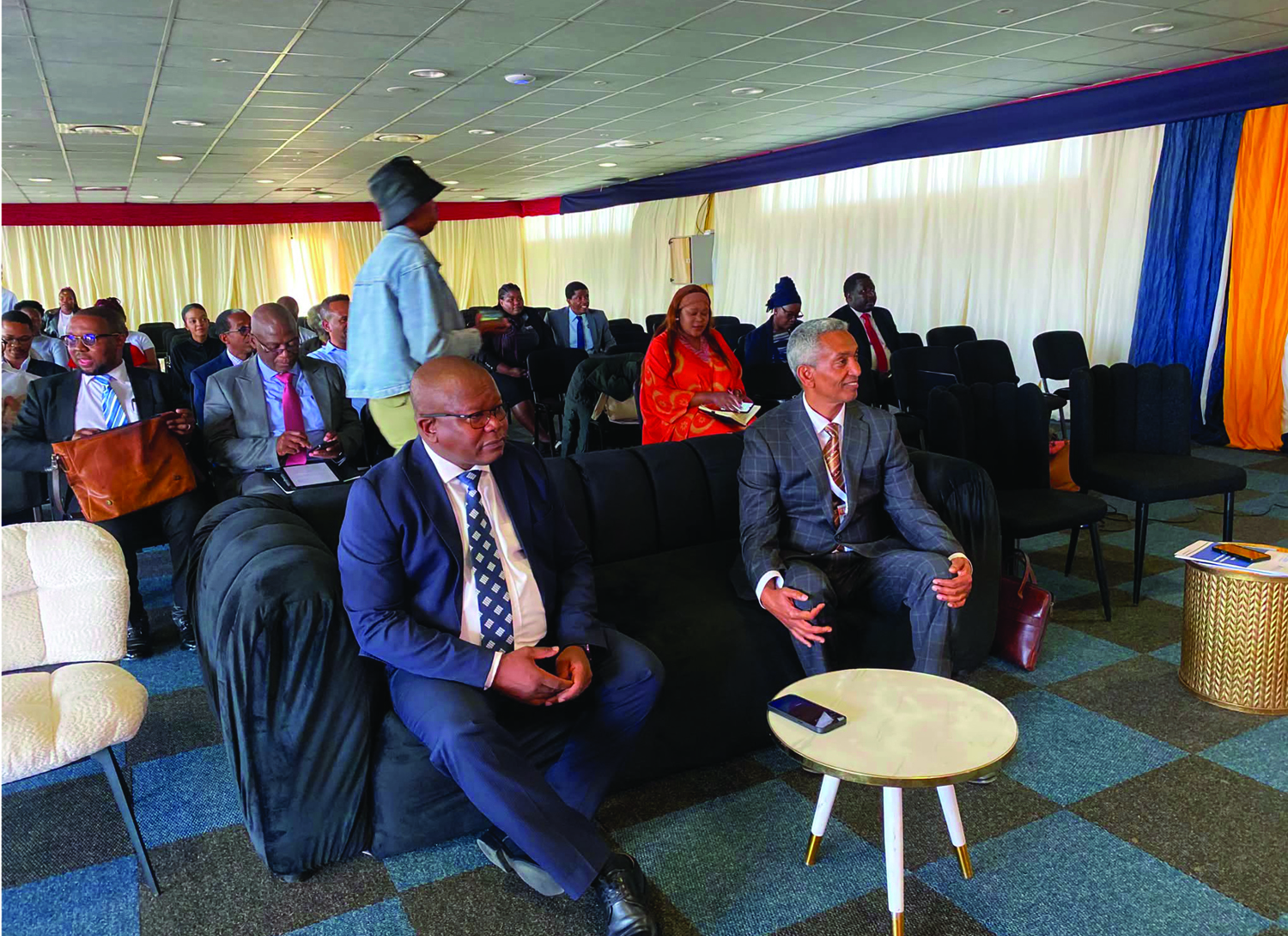
- Minister of Commerce, Industry and Trade, Manqoba Khumalo, made this appeal at the AeTrade Group Integrated Ecosystem Dialogue.
- The government's concern stems from many MSMEs remaining financially constrained despite possessing viable business concepts and products.
- This call signals a potential need for financial institutions to adapt their lending models to better support Eswatini's small business sector.
- The statement was delivered at the Mavuso Trade and Exhibition Centre.
Government Urges MSME Lending Rethink
Financial institutions are now faced with a clear governmental expectation to innovate and adapt their lending criteria and product offerings.
The Eswatini government has issued a direct appeal to the nation's financial institutions, urging them to fundamentally re-evaluate their current approaches to financing micro, small, and medium enterprises (MSMEs). This call for an Eswatini government MSME lending rethink was articulated by Minister of Commerce, Industry and Trade, Manqoba Khumalo, during his address at the AeTrade Group Integrated Ecosystem Dialogue.
Speaking at the Mavuso Trade and Exhibition Centre, Minister Khumalo highlighted a critical challenge facing the country's entrepreneurial landscape. He noted that a significant number of MSMEs continue to operate under severe financial constraints, despite possessing viable business ideas and offering products with clear market potential. This observation underscores a perceived disconnect between the innovative capacity of small businesses and the accessibility of appropriate financial support within the Eswatini financial institutions MSME sector.
Addressing Financial Constraints for Small Businesses
The Minister's statement implicitly points to systemic issues within the existing lending frameworks that prevent promising small businesses from securing the necessary capital for growth and sustainability. The government's concern stems from the recognition that a vibrant MSME sector is crucial for economic development, job creation, and diversification in Eswatini. When these enterprises are hampered by a lack of financing, their potential to contribute meaningfully to the national economy is significantly curtailed.
This governmental intervention signals a broader acknowledgment that current lending practices may not be adequately serving the unique needs and risk profiles of Eswatini small business finance. The emphasis on 'viable ideas and products' suggests that the issue is not a lack of entrepreneurial spirit or market opportunity, but rather an inability of traditional financial models to effectively assess and support these ventures, leading to widespread undercapitalization across the sector.
Implications for Eswatini's Banking Sector
The directive from Minister Khumalo carries significant implications for the Eswatini banking sector MSME engagement. Financial institutions are now faced with a clear governmental expectation to innovate and adapt their lending criteria and product offerings. This could necessitate a comprehensive review of existing credit assessment methodologies, collateral requirements, and interest rate structures to better accommodate the operational realities of small and medium-sized enterprises.
Such a high-level government pronouncement often precedes or signals potential future policy directives or regulatory pressure. Financial institutions and their legal teams in Eswatini should therefore assess their current MSME lending frameworks, as this call may require them to proactively review credit policies and compliance procedures to align with evolving national economic priorities and potentially new regulatory expectations regarding small business financing.
Why This Shift Matters
The government's push for a re-evaluation of MSME lending is pivotal for Eswatini's economic future. By addressing the financial bottlenecks faced by small businesses, the nation can unlock significant potential for economic growth, foster innovation, and create more employment opportunities. A more responsive and inclusive financial sector is essential for nurturing a dynamic entrepreneurial ecosystem.
Ultimately, the success of this initiative hinges on the willingness of financial institutions to engage constructively with the government's call and implement tangible changes that facilitate greater access to capital for deserving MSMEs. The challenge, as articulated by the Minister, is not a scarcity of good business ideas, but rather the need for a financial system that is agile and supportive enough to transform these ideas into thriving enterprises.
Practical Implications
Financial institutions and their legal teams in Eswatini should assess their current MSME lending frameworks. This signals potential future policy directives or regulatory pressure to adapt financing models for small businesses, requiring proactive review of credit policies and compliance procedures.
Source
How does this affect you?
Get an AI analysis of this article grounded in your jurisdictions, practice areas, and any policy documents you've uploaded to Wansom.
Finish Reading the Full Story and the Expert Analysis.
Wansom is AI and can make mistakes.