
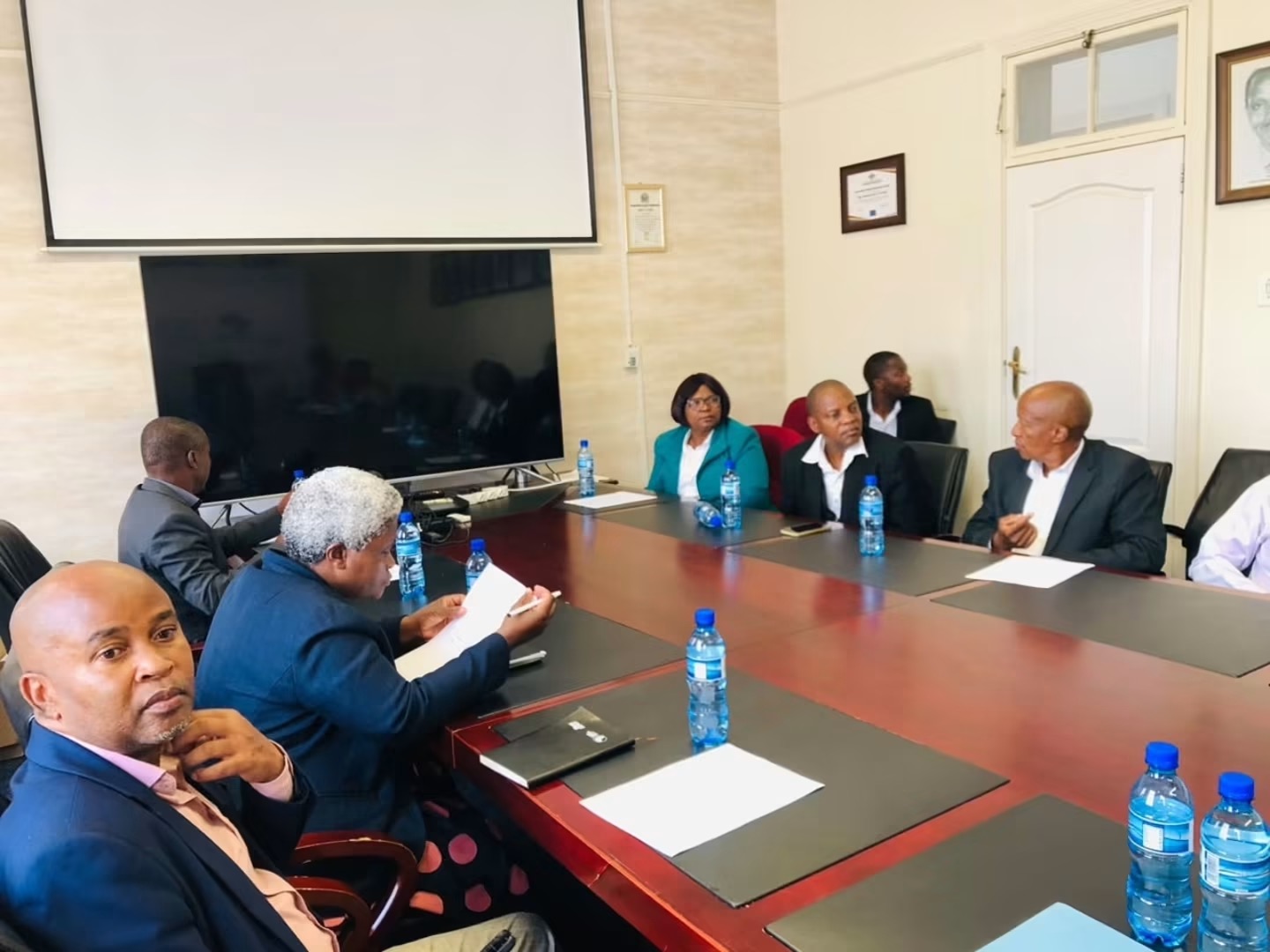
Eswatini Government: Reaffirms Disability Inclusion Commitment
Summary
- The Government of Eswatini has reaffirmed its commitment to integrating disability inclusion across all national sectors.
- This commitment signals a strategic intent for the full and meaningful participation of individuals with disabilities in national life.
- The declaration aligns with global human rights frameworks and principles of inclusive development.
- It implies potential strengthening of existing disability rights policies and development of new inclusive strategies.
- Legal and compliance professionals should anticipate future legislative or regulatory developments related to accessibility and inclusion.
A Renewed National Focus
The government's explicit statement regarding its Eswatini government disability inclusion commitment carries substantial implications for the nation's future regulatory and operational landscape.
The Government of Eswatini has recently issued a strong reaffirmation of its dedication to ensuring that disability inclusion is systematically integrated across all sectors of the nation. This significant declaration underscores a strategic intent to move beyond superficial acknowledgment, aiming instead for the full and meaningful participation of individuals with disabilities in every aspect of national life. This Eswatini government disability inclusion commitment signals a comprehensive, whole-of-government approach, designed to embed inclusive practices into the very fabric of governmental operations, public services, and societal structures. The reiteration serves as a clear directive, emphasizing that the principle of inclusion is to be a guiding force in policy formulation and implementation nationwide.
The Broader Context of Inclusion and Development
This explicit Eswatini government disability inclusion commitment aligns closely with international human rights instruments and the overarching principles of sustainable and inclusive development. Such a high-level declaration from a national government typically reflects a profound understanding that genuine societal progress is inextricably linked to the removal of systemic barriers for all citizens, particularly those who have historically experienced marginalization and exclusion. It signifies a recognition that disability inclusion transcends mere social welfare concerns, positioning it instead as a fundamental pillar of human rights and a critical component for robust national growth. The government's reiteration suggests a potential impetus for strengthening existing Eswatini disability rights policy frameworks or for the development of new, more ambitious Eswatini inclusive development strategy initiatives. This broad focus on integration across all sectors points towards a holistic national vision, aiming to comprehensively address issues of accessibility, equitable participation, and non-discrimination in diverse areas, ranging from education and employment to public services, infrastructure, and cultural life.
Anticipating Future Regulatory Landscape
The government's explicit statement regarding its Eswatini government disability inclusion commitment carries substantial implications for the nation's future regulatory and operational landscape. It establishes a clear expectation for all government ministries, public bodies, and, by extension, potentially private sector entities, to critically review and adapt their current practices to become more inclusive. This proactive stance could foreseeably lead to increased scrutiny of existing physical and digital infrastructure for accessibility, a comprehensive re-evaluation of educational curricula to ensure equitable learning environments, and a concerted push for more inclusive and equitable employment opportunities across various industries.
For legal professionals and compliance officers operating within Eswatini, this signals a crucial need for heightened awareness and proactive engagement regarding potential future legislative or regulatory developments. Diligent Eswatini accessibility legislation monitoring will become increasingly vital, as will a thorough understanding of the evolving Eswatini human rights disability focus within national policy. The commitment suggests that the government intends to actively foster environments where persons with disabilities can fully participate and thrive, thereby necessitating a forward-looking approach to Eswatini compliance disability standards across all relevant sectors. This governmental resolve could ultimately pave the way for more robust legal frameworks and enhanced enforcement mechanisms designed to uphold the rights and ensure the full and equal participation of individuals with disabilities.
Practical Implications
Lawyers and compliance officers in Eswatini should note the government's reiterated commitment to disability inclusion, as this signals a potential increase in future legislative or regulatory developments across all sectors. This necessitates monitoring for new compliance obligations or opportunities to advise clients on evolving accessibility and inclusion standards.
Source
How does this affect you?
Get an AI analysis of this article grounded in your jurisdictions, practice areas, and any policy documents you've uploaded to Wansom.
Finish Reading the Full Story and the Expert Analysis.
Get the latest legal & regulatory intelligence in Eswatini
Wansom is AI and can make mistakes.