
Eswatini Government: Developing Child Grant Proposal for Social Welfare
Summary
- Eswatini's Ministry of Economic Planning and Development is preparing to introduce a new child grant initiative.
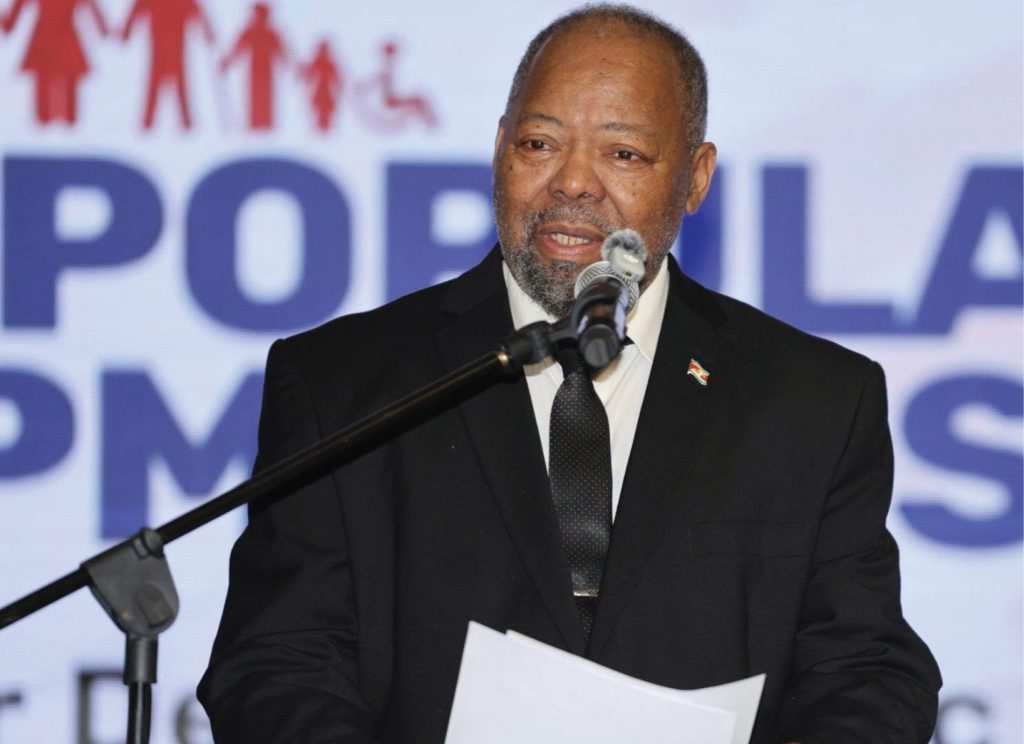
- Minister Dr. Tambo Gina announced the proposal at the inaugural Eswatini National Population and Development Summit 2026.
- The child grant is designed to function as both a social protection measure and a long-term investment in national development.
Eswatini Unveils Child Grant Proposal
This initiative is envisioned as a dual-purpose strategy, serving both as a critical social protection measure and a strategic long-term investment in the nation's overall development.
The Eswatini government, through its Ministry of Economic Planning and Development, is actively developing plans to launch a comprehensive child grant initiative. This forthcoming program represents a significant policy undertaking, signaling a strategic commitment to enhancing social welfare across the nation. The preparatory phase indicates that while the concept has been formally announced, the detailed legislative and operational frameworks are still being finalized before its official introduction.
Dr. Tambo Gina, the Minister responsible for Economic Planning and Development, publicly disclosed these plans during the inaugural Eswatini National Population and Development Summit 2026. His announcement highlighted the government's proactive approach to addressing societal needs and investing in the country's future human capital. The summit served as a key platform for discussing national development strategies, making it an appropriate venue for such a significant policy revelation.
Dual Purpose: Social Protection and National Investment
This initiative is envisioned as a dual-purpose strategy, serving both as a critical social protection measure and a strategic long-term investment in the nation's overall development. By providing direct financial assistance, the Eswatini child grant proposal aims to alleviate poverty among vulnerable families and ensure children have access to essential resources, thereby improving their immediate well-being.
Beyond immediate relief, the government views the child grant as a foundational element for sustained national progress. Investing in children's health, education, and overall development through such a program is expected to yield significant returns in the long run, contributing to a more skilled workforce, reduced social inequalities, and enhanced economic productivity for Eswatini.
Implications for Eswatini's Development Agenda
The introduction of this Eswatini social protection initiative aligns with broader national development goals discussed at the Eswatini National Population Development Summit 2026. Such a grant program can play a pivotal role in shaping demographic trends and improving key population indicators, which are central themes of the summit. It signifies a governmental recognition of the interconnectedness between social welfare and economic growth.
The Ministry of Economic Planning and Development's leadership in this endeavor underscores the economic rationale behind the child grant. It is not merely a welfare handout but a calculated move to foster human development, which is a cornerstone of any robust national economy. The successful implementation of this proposal could set a new precedent for social welfare legislation within the country.
Practical Implications
Lawyers advising NGOs, social welfare organizations, or businesses with corporate social responsibility programs in Eswatini should monitor the legislative progress of this child grant proposal. Its eventual enactment will create new funding streams and compliance requirements for entities involved in child welfare and social development.
Source
How does this affect you?
Get an AI analysis of this article grounded in your jurisdictions, practice areas, and any policy documents you've uploaded to Wansom.
Finish Reading the Full Story and the Expert Analysis.
Get the latest legal & regulatory intelligence in Eswatini
Wansom is AI and can make mistakes.