
Eswatini Football Association Emphasizes Child Mental Health Protection
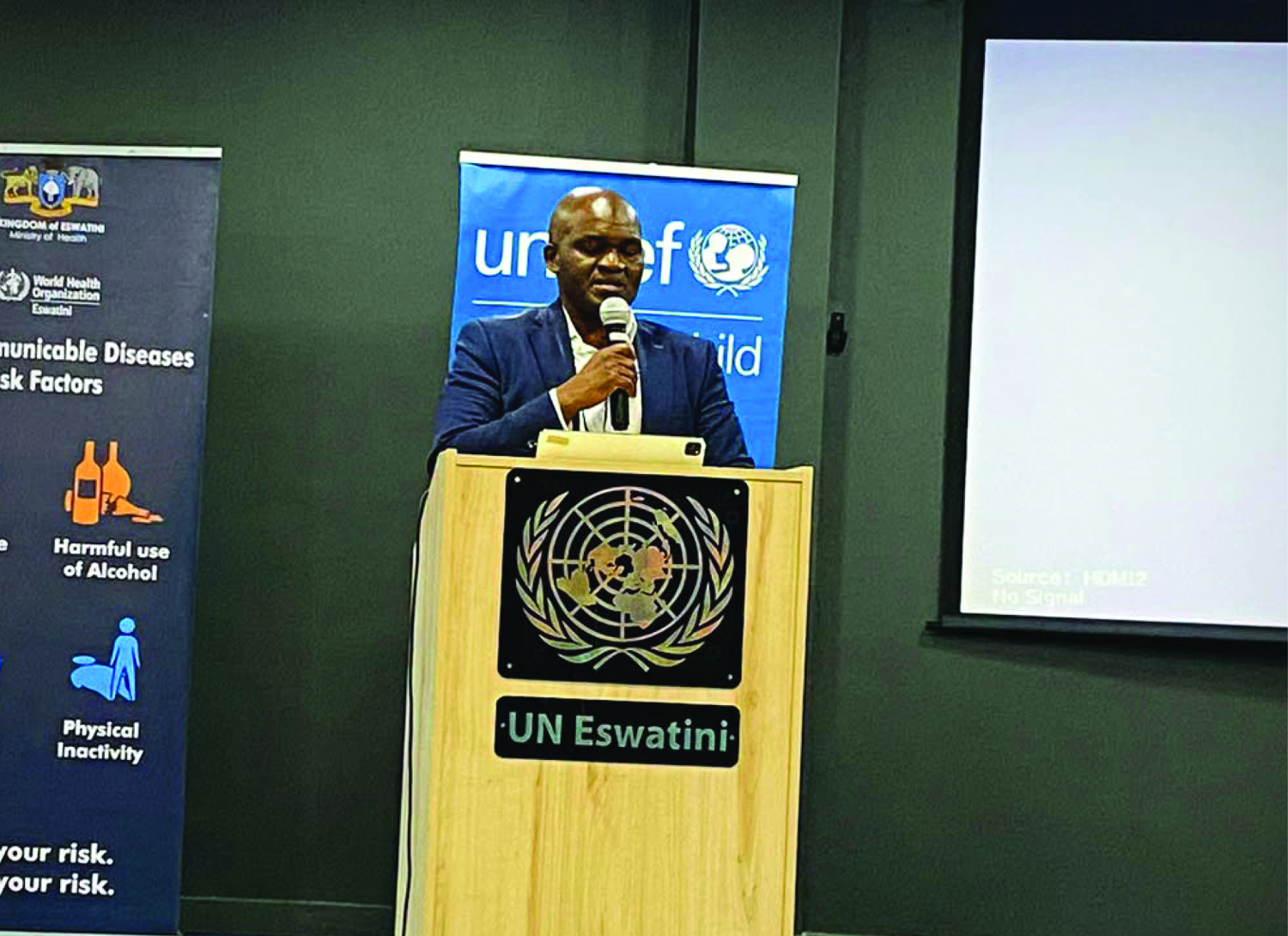
Frederick Mngomezulu, CEO of the Eswatini Football Association (EFA), stated yesterday in Mbabane that football has a responsibility to protect children's mental health due to its widespread influence. This declaration was made during a workshop facilitated by the Ministry of Health and UNICEF at the UN building, highlighting a collaborative effort to address the psychological well-being of young participants in sports. Mngomezulu's comments underscore a growing recognition within sports bodies of their duty beyond physical development to encompass holistic child welfare.
This emphasis on children's mental health in sports carries significant legal and ethical implications for practitioners, sports organisations, and related entities. It signals a potential shift towards more stringent safeguarding policies, codes of conduct, and regulatory requirements within the EFA and affiliated clubs. Such a focus could lead to the establishment of clearer legal duties of care for coaches, administrators, and even fellow players, potentially increasing liability for organisations that fail to provide adequate mental health support or protection. Attorneys advising sports associations, schools, and youth programs will need to review and update their existing child protection frameworks to explicitly incorporate mental health provisions, ensuring compliance with evolving standards and mitigating potential legal risks.
Eswatini's legal framework, particularly the Children's Protection and Welfare Act, 2012, provides a foundational basis for safeguarding children's rights and welfare. While this Act may not specifically detail mental health provisions in sports, its general principles of protecting children from harm and ensuring their well-being would apply. Furthermore, Eswatini is a signatory to the UN Convention on the Rights of the Child, which reinforces the state's obligation to protect children's health, including mental health. The involvement of the Ministry of Health and UNICEF suggests a multi-sectoral approach, potentially leading to national guidelines or strategies that sports organisations will be expected to adopt. The key parties involved are Frederick Mngomezulu, the Eswatini Football Association, the Ministry of Health, and UNICEF, all working towards enhancing child welfare in sports.
Legal professionals advising sports entities, educational institutions, and youth development programs in Eswatini should proactively assess and strengthen their safeguarding policies to explicitly address children's mental health. This includes developing protocols for identifying mental health concerns, providing access to support services, and training staff on psychological first aid and creating a supportive environment. Attorneys should anticipate increased scrutiny and potential regulatory changes regarding the psychological well-being of young athletes, advising clients on risk management strategies, drafting comprehensive codes of conduct, and ensuring compliance with both national legislation and international best practices in child protection. The outcome of specific policy changes or new regulations from the EFA or government bodies is not yet reported, but the direction towards greater accountability for child mental health in sports is clear.
How does this affect you?
Get an AI analysis of this article grounded in your jurisdictions, practice areas, and any policy documents you've uploaded to Wansom.
Finish Reading the Full Story and the Expert Analysis.
Get the latest legal & regulatory intelligence in Eswatini
Wansom is AI and can make mistakes.