
Eswatini Football Association: Child Mental Health Safeguarded
Summary
- Eswatini Football Association CEO Frederick Mngomezulu stated that football bears a responsibility to protect children's mental health.
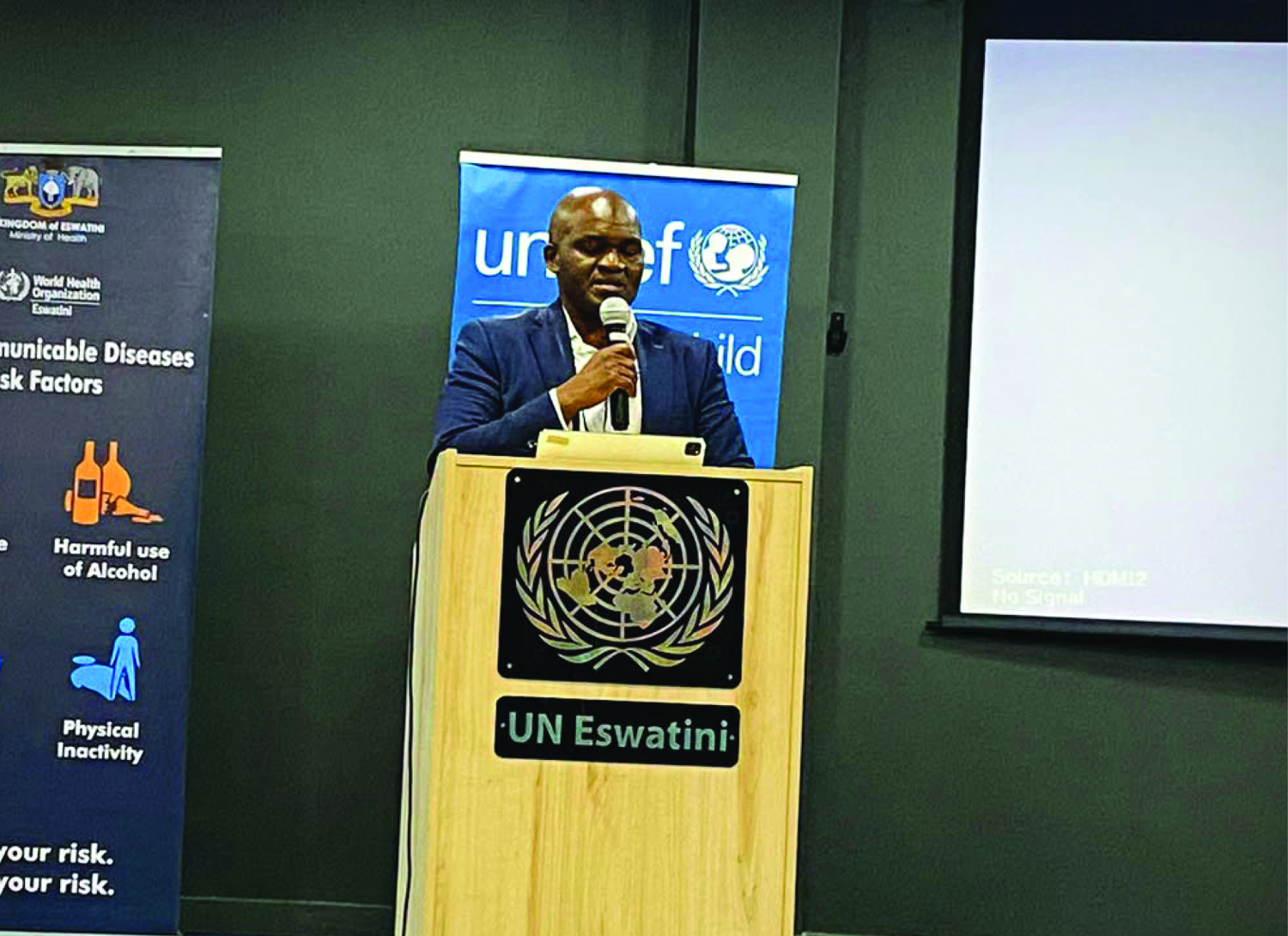
- His remarks were delivered during a recent workshop held at the United Nations building in Mbabane.
- The Ministry of Health and UNICEF jointly facilitated the important event.
- Mngomezulu highlighted the sport's extensive reach among young people as the basis for this crucial duty.
A Call for Child Mental Health Protection
This development underscores the urgent need for sports bodies to review and potentially enhance their existing child protection protocols, ensuring they are comprehensive enough to address mental health concerns.
Frederick Mngomezulu, the Chief Executive Officer of the Eswatini Football Association (EFA), recently underscored the critical role of football in safeguarding the mental well-being of young participants. Speaking at a workshop held at the United Nations building in Mbabane, Mngomezulu articulated that the sport's widespread appeal and deep engagement with children place it in a unique position of responsibility to protect their minds. His remarks highlight a growing recognition within sports governance of the holistic needs of child athletes, emphasizing that mental health is as crucial as physical health in their development.
The workshop, which provided the platform for Mngomezulu's address, was a collaborative initiative designed to foster dialogue and action on this vital subject. It was jointly facilitated by the Ministry of Health and UNICEF, signaling a multi-agency commitment to child welfare in Eswatini. This joint effort, convened at the UN building in Mbabane, underscores the national and international importance placed on discussions surrounding child protection and mental health within the nation's sporting landscape, particularly concerning the Eswatini Football Association's role in child mental health.
Football's Unique Safeguarding Role
The EFA's stance, as articulated by Frederick Mngomezulu, stems from the profound understanding that football commands an immense reach among the youth across Eswatini. This extensive influence means that the sport is not merely a recreational activity but also a significant environment shaping children's developmental experiences, impacting their emotional and psychological states. Consequently, the Eswatini Football Association recognizes an inherent duty to ensure that this environment is conducive to positive mental health outcomes, moving beyond just physical safety and skill development.
This emphasis on "football safeguarding mental health" reflects a broader, evolving trend in Eswatini sports child protection, where organizations are increasingly expected to consider the psychological aspects of participation. The involvement of entities like UNICEF Eswatini mental health programs alongside the Ministry of Health Eswatini workshop initiatives suggests a comprehensive, integrated approach to embedding mental health support into existing child protection frameworks within the sporting sector. Such collaborations are vital for establishing robust systems that prioritize the overall well-being of young athletes, ensuring that the sport contributes positively to their mental resilience and happiness.
The Imperative for Robust Policies
The public declaration by the EFA's CEO regarding the protection of children's mental health carries significant weight for all sports organizations in Eswatini. It signals an evolving landscape where child safeguarding policies must extend beyond traditional physical safety measures to encompass psychological well-being, recognizing the unique pressures and challenges young athletes may face. The joint facilitation by the Ministry of Health and UNICEF further elevates the importance of this issue, indicating that mental health in sports is becoming a priority for both health authorities and international child welfare organizations operating within the country.
This development underscores the urgent need for sports bodies to review and potentially enhance their existing child protection protocols, ensuring they are comprehensive enough to address mental health concerns. The Eswatini Football Association's focus on child mental health suggests that future regulations or increased scrutiny may require more explicit provisions for psychological support, stress management, and the creation of a safe emotional environment for young athletes. Such proactive measures are crucial for ensuring that the positive aspects of sports participation are maximized, while potential negative impacts on children's mental health are effectively mitigated, aligning with best practices in Eswatini sports child protection.
Practical Implications
Compliance officers and legal counsel for sports organizations in Eswatini should review existing child safeguarding policies to ensure they adequately address mental health protection, anticipating potential new regulations or increased scrutiny from authorities like the EFA and Ministry of Health.
Source
How does this affect you?
Get an AI analysis of this article grounded in your jurisdictions, practice areas, and any policy documents you've uploaded to Wansom.
Finish Reading the Full Story and the Expert Analysis.
Get the latest legal & regulatory intelligence in Eswatini
Wansom is AI and can make mistakes.