
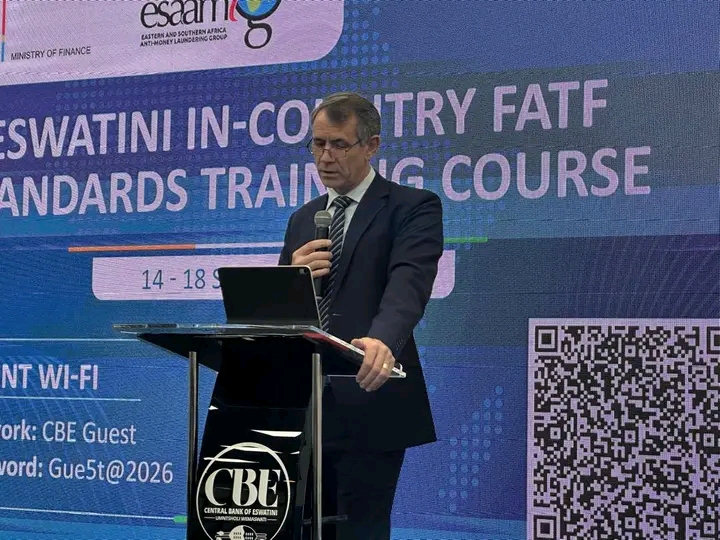
Eswatini: FATF Compliance Investment Bolsters Financial Sector
Summary
- Eswatini has significantly improved its compliance with international anti-money laundering standards.
- The country is now rated Compliant or Largely Compliant on 32 of the 40 Financial Action Task Force (FATF) Recommendations.
- Finance Minister Neal Rijkenberg stated this progress could boost investor confidence and enhance the nation's financial sector standing.
- These advancements follow reforms implemented after Eswatini's Mutual Evaluation Report.
- Improved FATF compliance is expected to make Eswatini a more appealing destination for foreign investment by reducing perceived AML/CFT risks.
Eswatini's Enhanced Financial Standing
Lawyers advising clients on potential investments or financial operations in Eswatini should emphasize this positive development.
Eswatini has achieved significant milestones in adhering to global anti-money laundering (AML) standards, a development poised to bolster the nation's financial sector and attract greater foreign investment. The country's Finance Minister, Neal Rijkenberg, highlighted that this progress is expected to cultivate stronger investor confidence in the kingdom's economic environment.
Specifically, Eswatini now holds a rating of Compliant or Largely Compliant across 32 of the 40 crucial Recommendations set forth by the Financial Action Task Force (FATF). This improved standing reflects a dedicated effort to implement comprehensive reforms, which were initiated following the findings of Eswatini's Mutual Evaluation Report. The positive assessment underscores the government's commitment to creating a more transparent and secure financial landscape.
Navigating Global Regulatory Frameworks
The Financial Action Task Force (FATF) is an intergovernmental body established to set international standards aimed at preventing illegal activities such as money laundering and terrorist financing. Its 40 Recommendations serve as a comprehensive framework for countries to implement effective legal, regulatory, and operational measures against these threats. For Eswatini, achieving Compliant or Largely Compliant status on a substantial majority of these recommendations signals a robust alignment with global best practices.
This rigorous evaluation process, culminating in Eswatini's Mutual Evaluation Report, scrutinizes a nation's entire anti-money laundering and combating the financing of terrorism (AML/CFT) regime. The subsequent reforms undertaken by Eswatini demonstrate a proactive approach to addressing identified deficiencies and strengthening its financial oversight mechanisms. Such compliance is critical for maintaining the integrity of the international financial system and ensuring that Eswatini's financial institutions are not exploited for illicit purposes.
Investment Appeal and Reduced Risk
The enhanced Eswatini FATF compliance investment profile is a critical factor for international businesses and investors considering operations within the country. A strong rating from the Financial Action Task Force Eswatini indicates a reduced risk of financial crime, which is a significant consideration for capital allocation and business expansion. This improved regulatory environment can directly translate into increased Eswatini investor confidence AML, as it assures stakeholders of a stable and well-regulated financial market.
Lawyers advising clients on potential investments or financial operations in Eswatini should emphasize this positive development. The country's commitment to Eswatini anti-money laundering standards signals improved regulatory stability and a lower risk of encountering illicit financial activities. This makes Eswatini a more attractive jurisdiction for foreign direct investment, potentially leading to a significant uplift in the Eswatini financial sector standing and broader economic growth.
Practical Implications
Lawyers advising clients on investments or financial operations in Eswatini should highlight the country's enhanced FATF compliance as a positive indicator of reduced AML/CFT risk. This development signals improved regulatory stability and could make Eswatini a more attractive jurisdiction for foreign direct investment.
Source
How does this affect you?
Get an AI analysis of this article grounded in your jurisdictions, practice areas, and any policy documents you've uploaded to Wansom.
Finish Reading the Full Story and the Expert Analysis.
Get the latest legal & regulatory intelligence in Eswatini
Wansom is AI and can make mistakes.