
Eswatini Senate: EPTC Pension Crisis Accountability Questioned
Summary
- Eswatini's Senate has questioned accountability for the long-running EPTC pension crisis.
- Senator Tony Sibandze raised this concern during a Senate sitting on October 5, 2026.
- The Eswatini government plans to use millions of Emalangeni from a new loan to address the pension fund's issues.
- The inquiry highlights a lack of identified responsibility despite significant financial intervention.
Senate Questions Accountability Amidst Crisis
The absence of publicly identified parties held accountable for the long-running EPTC pension crisis could signal a systemic weakness in the regulatory environment governing such vital financial institutions.
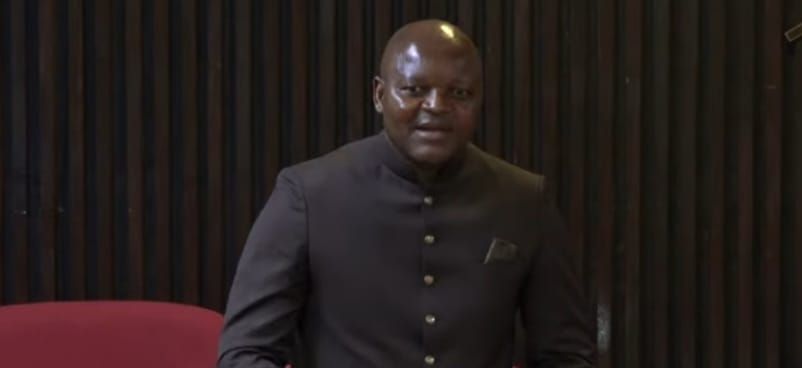
During a recent parliamentary session on October 5, 2026, Senator Tony Sibandze brought to the forefront a critical issue concerning the Eswatini Posts and Telecommunications Corporation (EPTC) pension crisis. He specifically questioned whether any individuals or entities have been held responsible for the prolonged mismanagement that led to the current state of the pension fund, highlighting the persistent lack of EPTC pension crisis accountability in Eswatini. This inquiry comes at a pivotal moment, as the Eswatini government prepares to allocate substantial financial resources, drawn from a newly secured loan amounting to millions of Emalangeni, directly towards resolving the deep-seated problems within the EPTC pension scheme.
The government's decision to intervene with a significant Eswatini government pension loan underscores the severity and long-standing nature of the financial distress impacting the EPTC pension. While this move aims to stabilize the fund and safeguard the interests of pensioners, Senator Sibandze's intervention in the Senate sitting emphasized the critical need for retrospective accountability. The question remains whether the infusion of new funds will be accompanied by a thorough investigation into past failures and the identification of those responsible for the Eswatini Posts and Telecommunications Corporation pension's precarious position.
Legal and Regulatory Context
The allocation of millions of Emalangeni from a new loan to address the EPTC pension crisis accountability in Eswatini raises significant concerns regarding corporate governance and the oversight of state-owned enterprises. This financial injection, while necessary to prevent further hardship for retirees, effectively uses public funds to rectify what appears to be a failure of internal controls and fiduciary duties over an extended period. The absence of publicly identified parties held accountable for the long-running EPTC pension crisis could signal a systemic weakness in the regulatory environment governing such vital financial institutions.
The role of the Senate Eswatini EPTC oversight is paramount in situations like this, as demonstrated by Senator Sibandze's direct challenge. His questioning highlights the legislative branch's responsibility to demand transparency and ensure that public entities are managed with integrity. The reliance on a government pension loan to resolve the crisis, without a clear path to holding those accountable for pension fund mismanagement Eswatini, could inadvertently create a moral hazard, suggesting that financial bailouts might occur without consequences for those who contributed to the problem.
Why It Matters
The ongoing EPTC pension crisis accountability in Eswatini, now exacerbated by the need for a substantial government loan, has profound implications for public trust and the financial security of the nation's workforce. The fact that a problem described as long-running has reached a point where millions of Emalangeni are required from a new Eswatini government pension loan underscores the severity of the situation and the potential for widespread impact on current and future retirees. This situation not only affects the direct beneficiaries of the Eswatini Posts and Telecommunications Corporation pension but also casts a shadow over the broader management of public sector funds.
For the Eswatini government, addressing the EPTC pension crisis accountability is not merely about rectifying past wrongs but also about establishing robust frameworks to prevent similar occurrences in the future. The Senate's inquiry, led by Senator Tony Sibandze EPTC, serves as a crucial reminder that legislative oversight is essential for maintaining integrity in public financial management. Ensuring that those responsible for pension fund mismanagement Eswatini are identified and held accountable is vital for restoring confidence and demonstrating a commitment to good governance across all state-owned entities.
Practical Implications
Lawyers should monitor the EPTC pension crisis for potential litigation avenues regarding corporate governance, fiduciary duties, or mismanagement, especially given the government's intervention with a new loan. Compliance officers in Eswatini should review their own pension fund oversight to prevent similar issues and ensure robust accountability frameworks are in place.
Source
How does this affect you?
Get an AI analysis of this article grounded in your jurisdictions, practice areas, and any policy documents you've uploaded to Wansom.
Finish Reading the Full Story and the Expert Analysis.
Get the latest legal & regulatory intelligence in Eswatini
Wansom is AI and can make mistakes.